Product Genius, the Podcast for Inventors, Entrepreneurs, and Startups
Honest advice for inventors—with obscure cultural references included at no extra charge.
Episode
260
Provisional Patent AI Tool Is a Game Changer with Brock Kolls
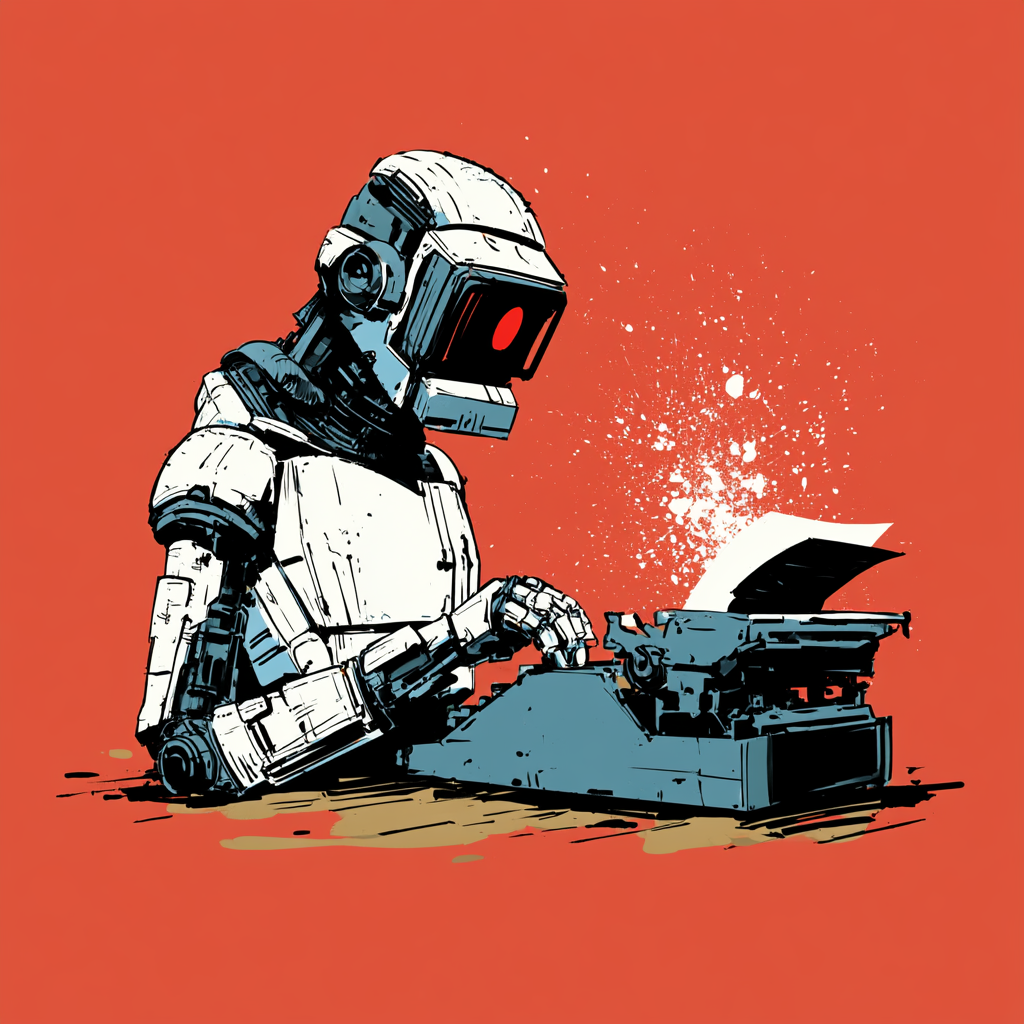
Can artificial intelligence make a strong provisional patent application faster and more affordable without removing the experienced human from the process? In this episode, Steven and Noah welcome back Brock Kolls, registered U.S. patent agent and founder of Gr8BigIdeas, to discuss his inventor-guided Fast Provisional workflow. Brock explains how a customized drafting framework can transform an inventor’s detailed description into a structured provisional application with sections such as background, summary, detailed description, figures, and claims. The inventor reviews and corrects the draft, adds drawings or prototype images, and works with Brock on filing and follow-up. The tool accelerates document creation; it does not replace the inventor’s disclosure, strategic judgment, accurate filing, deadline tracking, or professional review. The conversation also explores patent-landscape research, the difference between a provisional and a nonprovisional application, utility versus design protection, and the danger of spending most of a startup budget on a patent before the product is developed. Brock and Noah emphasize that “Can I get a patent?” is weaker than “Would this patent protect a valuable business position?” AI can amplify a well-defined invention, but it cannot rescue an idea the inventor cannot explain. For founders, the opportunity is speed and completeness—paired with careful verification, realistic patent strategy, and alignment with the evolving product.
Core Topics for this episode:
- Patents
- Inventor Strategy
Key Takeaways Include:
Listen here:
Episode Blog
AI and Provisional Patents: Faster Drafting Still Needs Human Strategy
Artificial intelligence can generate pages of polished technical language in minutes. That capability is particularly attractive to inventors seeking a provisional patent application before sharing an idea with developers, manufacturers, or investors.
But length is not protection, and speed is not strategy. A useful patent application depends on accurate disclosure, thoughtful alternatives, consistent terminology, well-supported claims, correct filing, and alignment with the product the company will actually commercialize.
In Episode 260, registered patent agent Brock Kolls describes an inventor-guided workflow that uses AI-assisted drafting while keeping both the inventor and experienced professional involved.
What a Provisional Application Does
A U.S. provisional patent application can establish an early filing date and allow the applicant to use “patent pending” for the disclosed invention. It is not examined and does not itself become an issued patent. To preserve the benefit of the provisional filing, an applicant generally must file a corresponding nonprovisional application within 12 months.
The later application receives priority only for subject matter adequately supported in the provisional. A thin form, vague napkin note, or incomplete description may be accepted for filing but fail to support the protection the inventor expects.
This distinction is crucial: acceptance by the filing system is not a judgment that the disclosure is complete, patentable, valuable, or strategically useful.
The Inventor Must Supply the Invention
AI can expand, organize, and articulate information. It cannot know the actual invention unless the inventor provides it accurately.
A strong submission should explain:
- The problem and intended users
- Components and how they interact
- Operation from beginning to end
- What appears new or different
- Alternative materials, configurations, and use cases
- Optional features and variations
- Drawings, photographs, or prototype details
- Known limitations and open questions
If the inventor can only say, “I have never seen this in the market,” there may not yet be a defined invention to draft. Absence from a store shelf is not a technical description or proof of patentability.
What AI Can Improve
Used within a carefully designed workflow, AI can help:
- Organize an invention disclosure into standard sections
- Identify missing explanations
- Explore reasonable embodiments and configurations
- Maintain terminology across a long document
- Draft a broad first-pass narrative
- Reduce the time spent assembling repetitive structure
- Give inventor and reviewer a substantial document to edit
That shifts human time from blank-page drafting toward correction, strategy, and quality control.
What AI Cannot Safely Decide Alone
AI output can be fluent and wrong. It may invent components, misunderstand physics, introduce unsupported variations, use limiting language, or create claims disconnected from the description.
Human review must confirm that every statement is technically accurate and genuinely intended. The team must also decide what should be disclosed, whether sensitive material is handled appropriately, how the filing relates to public disclosure and international strategy, and whether the claims support commercial goals.
Confidentiality and provider data policies also deserve review before entering an unpublished invention into any AI system.
A Generic Chatbot Prompt Is Not a Patent Workflow
“Write me a patent” does not provide the structure, disclosure, terminology, iterative questions, or professional accountability needed for reliable work. Brock’s distinction is that his system follows a drafting framework developed around his own application style, while he remains involved in review and filing.
The value lies in the combined process:
- The inventor provides detailed facts.
- A specialized framework produces a structured draft.
- The inventor reviews and corrects it.
- Figures and additional details are incorporated.
- A qualified professional checks and files the application.
- Deadlines and future decisions are tracked.
Automation is one component, not the complete service.
Filing Details Matter
An application can fail through administrative mistakes even when the document itself is strong. Entity status, fees, applicant and assignee information, forms, signatures, and deadlines must be handled correctly.
Brock describes encountering an inventor who believed a provisional was active throughout the year, only to discover that a fee mismatch left the application abandoned. The lesson is simple: verify the official filing receipt, status, and deadlines rather than assuming checkout or document generation completed the legal process.
Pair the Draft With Landscape Research
A patent and web landscape reviews existing patents, published applications, and market products related to the idea. It can reveal crowded areas, useful terminology, differentiating features, and development directions to avoid or explore.
Search results are not a guarantee of patentability or freedom to operate. They are decision inputs. Used early, they can help product and patent strategy evolve together instead of spending heavily on a design that prior art or market evidence undermines.
Patent the Business Opportunity, Not Just a Version
Noah and Brock return to a recurring Product Genius theme: an issued patent has little value if competitors can achieve the same customer result through obvious alternatives.
Brock’s talking teddy bear example became more compelling when the invention was framed around its specialized therapeutic method and use—not simply a bear that speaks. Finding that protectable, commercially meaningful center required interviewing, reframing, and strategic judgment.
The better question is not merely whether something can be patented. Ask what business advantage the claims could protect and whether that advantage survives foreseeable design changes.
Keep Patent Spending Proportional
A startup can spend so much on intellectual property that little remains for product development, testing, tooling, and launch. Brock offers a useful guiding principle: the patent budget should not overwhelm the project budget.
Early filings and landscape work should generate useful protection and information while preserving resources to discover what the final product actually needs to be. If development changes the mechanism, a patent focused on the first idea may miss the commercial design.
Product Genius Take
AI can make provisional-patent drafting faster, more thorough, and less expensive—but only when the inventor supplies accurate detail and qualified humans remain responsible for strategy, review, and filing. Treat the generated document as a sophisticated draft, not an automatic legal result. Verify every technical statement, confirm official filing status, track the 12-month deadline, and align patent claims with the product and business as they evolve. Patent decisions are legal and strategic matters; consult a qualified patent professional about a specific invention.
Or, read the full transcript here:
Steven Julian
Have you ever caught yourself wondering about the comfort of your cat's paws as they're walking around your house? We may come up with an idea of that on today's show, but more importantly, we talk about the world of patents and how much they are changing with Brock Coles from Great Big Ideas. next on Product Genius. Do you want to be a successful inventor entrepreneur?
Brock Kolls
Struggling to get your product from idea to market? Well, you've come to the right place.
Steven Julian
Welcome to Product Genius.
Brock Kolls
The down-to-earth podcast that explores important topics about inventing and launching new products.
Steven Julian
Noah McNeely is your trusted guide. With more than 20 years of product launch experience, he's here to help you on your journey to become a product genius.
Brock Kolls
Let's get started. Here's your slightly annoying co-host, Steven Julian.
Steven Julian
Hey, that's my line. Yes, it is another, as I clear my throat. It's an allergy-filled episode of Product Genius, so I will try to limit the times. I clear my throat. It is your slightly annoying co-host, Steven Julian. Why am I slightly annoying? Because I clear my throat on the air. I am seated all the way across the table. from the intrepid producer, Jody Smith, and I am seated next to two gentlemen. One you know, one you've heard before, and he's in the studio again. The one you know is Noah McNeely.
He is the Brain Trust.
Noah McNeely
Well, I appreciate the elevation.
Steven Julian
Wow, he's interrupting me.
Noah McNeely
Oh, I thought you were done. I'm sorry.
Steven Julian
That was a dramatic pause.
Noah McNeely
Hey, clear your throat again. Yeah, well, I appreciate the elevation to gentlemen. I'll take it.
Steven Julian
Yes, you are. You are a fine gentleman. And you also associate with other fine gentlemen. One of them is in the studio with us. Brock Coles is here from Great Big Ideas, GR, the numeral eight, bigideas.com. Brock, welcome back to the studio.
Brock Kolls
Great to be here.
Steven Julian
Actually, not the studio. Welcome back to The Lair. It's a Lair you know quite well because you and Noah have worked together.
Brock Kolls
That's it. Yeah. I'm out to the lair every once in a while. Absolutely.
Steven Julian
You were invited. The stay of execution was lifted, and we said, come on back. Actually, there's more probation. The Great Big Ideas, for those that haven't heard you in a past episode, first of all, listen to. this episode. Well, I guess they could pause and go back, but you've been on a couple of times. You even date back to when Tiffany was running the show. So for those that haven't heard yet, tell everybody about Great Big Ideas and what you do.
Brock Kolls
So I focus on intellectual property. My background is an entrepreneur. I've had a successful startup, did work in corporate for a long period of time, did open innovation. I've seen intellectual property from a lot of different perspectives. My focus now is working out of an innovation lab here for about the last 10 years, just working with startups and entrepreneurs. I feel like it's my kind of people. They have unique types of problems that they need to be very efficient and very fast. They had to be very budget conscious. They had to be very successful.
And so I love it. I've worked out of Atlanta Tech Park now for 10 years, which is a great place. I've known Nolan for a very long time, even before that. I did some work when I was with Coca-Cola.
Noah McNeely
And I'll be honest, I'm too old to even remember when we met, but I just know at some point in the past we met and you started Great Big Ideas and reached back out and then... Yeah. We've regrown the relationship.
Steven Julian
And Noah, I think one of the things that comes across if people have listened to past episodes or they'll pick it up very quickly, I think you and Brock make a great pair because you both come at trying to help the product developer, the entrepreneur, the inventor, and you're trying to help without wasting time or money.
Noah McNeely
Yeah, I think that's a fair statement and a good statement. I think both Brock and I, you know, we're not in this necessarily just to make all the money we can. We're in this to help people. And at least my philosophy, and I think I can speak for Brock, is you do that and you're going to have plenty of clients that want to pay you to do stuff.
Steven Julian
So when a friend comes by and he's been on the show a couple times already, one of the things that happens is Jody and I walk into the lair. On our show call time. And Brock and Noah are deep. in a conversation that for all I know was either going on for five minutes or five hours. I have no idea. They're having a great time. They're talking. And it kept Noah from sending out the pre-show email that he normally sends out. Hey, here's what I'm thinking. So I'm listening to this great conversation.
I'm just listening for my name. I have no, I mean, it's way over my head as they're talking about patents and provisionals and things like that. And then I finally get to go, okay, so what are we doing? And they both just look at me like, well, let's talk about patents. Let's talk about what Brock's doing. Let's talk about this new thing that's happening. And it's going to be another show about AI. So we're just going to have a conversation. We have no idea where this is going to go. Slightly annoying. co-hosts love that because I'm just going to listen for.
Noah McNeely
In fact, Brock's idea for this show... Inspire my thoughts for the next show. We'll get to that later.
Steven Julian
So it was a five-hour conversation. It was. All right. I apologize for the two-minute rant.
Noah McNeely
It's been a. two-month conversation.
Steven Julian
It's been great. Okay. Brock, there are some massive things happening on greatbigideas.com and some changes that have happened to your business. So let me just ask, before you talk about what's happening now, let's go back a year, two years ago. What was the typical process like when you would work with an entrepreneur?
Brock Kolls
So ever since the beginning, I've always offered somebody to be able to come to the website and pick a time to talk. And that continues. Anybody can come to the Great Big Ideas website. My calendar's on there and they can click. A lot of times when I get referrals from Noah and everything, it's the email I send out. Hey, I'd love to talk to you. Glad to hear about your idea. I'd love to talk about patents, maybe share the process with you. A lot of times we'd just... Non-confidential conversation, but they can pick a time that works and we have that conversation.
So that hasn't changed and I don't see that changing. I think it's great. And then once I speak to them, suddenly they're into text messages and emails all the time. It feels like I have. a permanent friend on there. And I think it's great. I would deduce myself as an entrepreneur and a patent person as well. The journey for an entrepreneur is very up and down. It's long. A lot of times they need to check in, get a checkup, and that type of thing. So I'm available for that all the time.
Early in the process, we talk about provisional patents just because they're mostly inexpensive and you don't have to have all the details. And it does give you a patent pending status. for a lot of people. They want to raise money or talk to manufacturers. They want to feel like they have their idea. Protected. And so it's a good early first step.
Steven Julian
So what has not changed is your basic business. You still want to offer, first of all, a free, no pressure conversation for anyone who's in that journey, starting that journey, looking at that journey. But then your business model is if you want someone who's been around a lot of patents, helped with a lot of patents, kind of be a... I hate the word consultant, but just a partner on the journey to just. kind of, you've walked through the minefield a few times, and so you're helping people with that. So that hasn't changed.
Brock Kolls
That hasn't changed. Drafting, prosecuting patents, that's the bread and butter.
Steven Julian
That's the bread and butter of your business.
Brock Kolls
I'm super successful at it. I've got about a 96% success rate with the patent office, and I attribute a lot of that to being able to just take as much time as it takes. To work on somebody's idea to get it done right.
Steven Julian
And much like Noah, because Noah's had a couple shows where we've talked about there are other companies that, in the strictest sense of the term, technically kind of do what Noah does, but their difference is they're just trying to take money from people. That's my words, not his. Although it might be his intonation at times.
Noah McNeely
I insinuate a lot of things without legally crossing any boundaries.
Steven Julian
Yes, you do. That's what makes you a genius.
Noah McNeely
If anyone needs Steven's contact information, let me know.
Steven Julian
If in the world of designing patents, filing patents, there's some of that going on too outside of your business, which sets your business apart, correct?
Brock Kolls
Yeah. So. maybe one of my big set of parts is I don't charge by the hour rate. And I can just work on things as long as it takes to do it right. I think it's a huge difference.
Steven Julian
Transparent pricing is a huge thing.
Brock Kolls
Just a flat fee for everything. I think part of the process, too, is to get off on the right foot. A lot of times you'll meet somebody who's maybe spent too much money too fast. Guiding principle should be that your patent budget should never be bigger than your project budget on there. And so getting a provisional patent done. Or getting a landscape search report done shouldn't be a super hard budget decision because both of those help give you very good data points. One sort of validates whether you're on the right track.
The other one maybe helps you make some product development decisions on there. And so easy on-ramp, no sharp edges. Is a great way to start. And the provisional then gives you plenty of runway to sort out what your real idea is. Still see if you're passionate about it in six months. If you're ready for commercialization or not, sometimes life happens and it slows people down.
Steven Julian
So as we're recording this in near the middle of 2026, now there's been this new... Toy that you're excited about on your website. So talk about it.
Brock Kolls
Well, you know, so each year I try to find a way to scale myself.
Steven Julian
Oh, you are such an entrepreneur at heart.
Brock Kolls
You know, much of the business, which is reading, writing, editing, reading, writing, editing, reading, writing, editing, right? And then comes along AI. And AI really helps, right? Not only in analyzing, but, you know, orchestrating, composing, and that type of stuff. So, you know, starting maybe a year and a half ago, I started using AI as a tool, you know, to really analyze patents. And it was fantastic. Now, I think it's grown up to the point where... With the right kind of coaching, the right kind of input, it can really author some fantastic documents.
And in the context of a provisional application, frankly, it can just do much more of a thorough job than you would be willing to pay somebody to do. Because, you know, there's a price you pay and a value you get. Provisionals. are supposed to be inexpensive. And so starting about the last quarter of last year, I began offering on my website being able to come. Put in a credit card, buy a project ID, and get an automated, paste in your invention idea and get an automated provisional application. And it's been fantastic.
It not only has lowered the cost even below what I was charging before, but it delivers it to your inbox in about 15 minutes. And then we work on it together. A lot of times inventors will have figures they want to add, but they can go through and it's more of kind of fine tuning a document than authoring a document. And a lot of times we can get it done in a day or two and filed and they've got a patent pending status on their idea. Lickety split.
Steven Julian
Before you were doing this, how long would it take for you to do a provisional patent for someone time-wide? Let's just talk time-wide.
Brock Kolls
Correct. So, you know what, I have to mix it in with the other work that I do, right?
Steven Julian
You have to find time.
Noah McNeely
Do you mean you don't do one? client at a time? Yeah, I don't either. And that creates similar issues.
Brock Kolls
So a lot of the work takes a lot of time and you need to like a record, you need to kind of start a track and you need to finish a track before you're on there. And so a lot of times I have to tell them, hey, man, it's taking two or three weeks to get to it. And then you're sort of asking them, you know, what is the invention? You know, provide me some details. And what I'd usually get is maybe two or three sentences in an email. Right. And so it leaves a lot to be figured out on there.
What's unique about the AI tool is that you can take very few facts about somebody's invention and you can amplify those into a really great invention disclosure. You can begin to articulate what type of problem is it solving and how it would go about doing that. You can ask it to think about all the different ways it could be done and take a look at patent archives to see who's done that type of stuff and try to... Create a narrative on how this idea is different in there, how it might fit in and be unique, and then tell it to use that information.
To create this fantastic provisional application, I was telling Noah, these things are exhaustive. They're like 30, 40, 50, 60 pages out there, 60, 70 claims. It's every single version of how it can be done. It can be a kit and it can be this and it can be that. Those types of level of details is something that you couldn't pay somebody by the hour to do. And you certainly couldn't get a cheap provisional written by somebody for. But as a starting document. It is fantastic. And it immediately puts it in front of the inventor who can go through and say, okay, it's great.
I added one thing. I took this out. I added this other thing. I have four or five photographs of my prototype I'd like to put in. And bingo, we have a sensational application in very little time. Hours.
Steven Julian
Instead of weeks.
Noah McNeely
And for those people who aren't AI savvy, how is this different than just going and... Saying, hey, ChatGPT, write me a patent.
Steven Julian
Yeah.
Brock Kolls
So what's unique about it is I have a particular style of how I like to put applications together. And so the tool is trained in order to write in the same style that I do on how the applications are organized. I mean, there's a couple of things that I think are really important. A lot of people come to me for provisional applications because they want to raise money. And so those provisional applications have to look. Like non-provisional applications, they have to read and pass the test that an investor would put under scrutiny on those.
And so I organize that content and I author those patents in a certain way so that those people feel comfortable putting a document in front of those types of people. And have them look at that and say, that's a fantastic idea. It's fully here. Remember, a patent pending on an idea that's not there doesn't mean anything on there.
Noah McNeely
But we protected a way to do it. that can't be done.
Brock Kolls
Brilliant. Yeah, that's right. Or you see, it's like a form somebody's filled out. What's the main idea? How does it help people? And there's four or. five sentences on there and people say, well, I have a... I have a pending patent on my idea, right? That's a lot different than somebody looking at how it works and how it goes together.
Noah McNeely
And I think you and I were talking earlier, there's another service, I don't know if you want to name them by name, that charges about the same. That you charge for this, and it's just that form, basically.
Brock Kolls
It's just a form. And I see it all the time, but people feel great about it. They're like, hey, I have an application. My deadline's coming up. Can you help me do a non-provisional? Oh, great. Send me your provisional application. Let me take a look at it. And it looks like something that came off a ditto machine from the 70s with eight lines of text on it, right? What's your market? Who would it help? Everyone.
Steven Julian
Yeah.
Brock Kolls
That's exactly.
Steven Julian
More vegan options.
Noah McNeely
Everyone would buy it if they could.
Steven Julian
Right.
Brock Kolls
So, you know, with a provisional application, you know, what really makes it unique amongst other types of applications like non-provisionals is that there's no particular format or style. So the patent. office will take everything. And since there's no, like, scrutiny as to what the composition of it would be. A napkin would be accepted, right, by the patent office, but clearly you need more than a napkin to get a patent.
Noah McNeely
So there's a lot of just crap out there that has provisional patent labeled on top of it.
Steven Julian
Well, what people are getting with this AI tool is Brock's experience because Brock has taught the tool to write in a way that historically over time... Has been 96% successful.
Brock Kolls
It not only writes in my way, but I'm on the back end. Yes. Because I've talked to people, they've used the tool, and now we're talking about how to fine-tune this document. Yeah. And I file it for them, right? So we're on the journey together. It's like you get all the benefits of having that person. You just get the efficiency, speed, and cost savings of getting that document done faster and more thorough than a human would do.
Steven Julian
And to be clear. And what you want to come out of this, if someone just did the tool, okay, they get the document. It's way better than the. eight lines of text from the Ditto machine. But the other thing they could get is a little bit of consultation with you, a little bit of backend human interaction of, let me look at what it produced. And okay, I would change the, and the inventor themselves and you can then bring your experience to bear and go, this is great. I would take this out.
I would add this. Now they're getting. They're getting that help to just make the document even better.
Brock Kolls
Even better. And, you know, we even take it one step further. You know, I mentioned I have a landscaping tool the same way. A lot of times I'll take... Stop.
Steven Julian
What is a landscaping tool in the world of pet?
Noah McNeely
It's not a hedge term.
Steven Julian
I know it's not. Well, it is in a different...
Noah McNeely
We'll create an analog.
Steven Julian
So I apologize for talking over the guests, but you said it a couple of times and I'm like, I have to stop. What is a landscape search report?
Brock Kolls
So a landscape search report is not taking an idea and not only going and searching to see what prior patents have been done on it, but also take a look at what products are in the marketplace. And then presenting an analysis on there based on your idea. Here's what I see. Here's what I don't see. If you're developing a product, here are the features I might steer towards. Here are the ones I'd stay away from. So a lot of times what we'll do is we'll run, we'll do a provisional, and then I'll take the whole provisional application and run it through the landscape tool.
And now they've got a great... Double whammy, right? They've got an application and they've got this great landscape to show what sort of patents are out there, what sort of products might be in the marketplace, strategies on how we might do future patents and product development, maybe guidance on features that might be good to go after or features to avoid. On there, for example, I've seen things say like... You know, lots of people use this type of fastener on here. There's really no sort of unique thing about this. But if you use this other type of fastener on here, or if this was foldable, or if this was, you know, separable, and these were two different things, or if this could be organized in a kit, hey, those are all really great space areas on there.
Steven Julian
So, hold on.
Noah McNeely
Okay.
Steven Julian
I've got a question for you.
Noah McNeely
Do I need to take a number?
Steven Julian
No. Survey number seven. Oh, that's me. Okay. Hang on to your question. I have a question for you, though, Noah. Okay. As the person who works with the inventor entrepreneur to get their product to market, to do a prototype, to, you know, we've talked about all those things on this show. What's your interaction with the provisional patent? What's your interaction with the landscape report? How does this help? If someone came to you and said, hey, I had this idea. I ran it through this tool. I heard it on Brox. Now I'm coming to you.
Do they come to you first or does it help if they come to you after they've already done this?
Noah McNeely
I would say yes and both.
Steven Julian
Great. You are such a lawyer.
Noah McNeely
Yes, both. And this sentence does not apply.
Steven Julian
It depends.
Noah McNeely
This page intentionally left blank. So sometimes before they do the provisional patent. Someone might brainstorm with me, okay, what are some other ways we can do, or they may not come to brainstorm with me, but I'm going to sit down at the table with them, look at what they're trying to do. Okay, you're solving this problem. Let's brainstorm other ways to do it. And then they'll take that and they'll put it in Brock's system or give it to Brock on a phone call or whatever. That can help expand. Flip that the other way, they might go through Brock's system first, and it's going to identify a lot of embodiments that I wouldn't naturally think of.
Now, it's AI, so some of them are not going to be particularly useful, but a lot of them are. Some of them are going to be probably unbuildable in the real world. Doesn't mean they shouldn't be in the patent, though, because who knows what technology will be out in five years. But so it kind of goes back and forth.
Steven Julian
Serving question seven. now, that's on you.
Noah McNeely
It was really more than- Eight, eight.
Steven Julian
Serving question eight. I was seven, sorry. It's not- Number seven, I mean eight.
Noah McNeely
It's not a question. It's really more of. an analogy. And I would say what I was thinking about as you were describing this is this analogy, anyone can go out and buy- A really high-end set of woodworking tools and they can cut a piece of lumber with it. But you put those same tools in the hands of a master woodworker and they can build you a top-notch kitchen. You're the master woodworker and AI is sort of the set of tools here. And I think that's the difference between someone going and just doing it themselves and working with you.
Brock Kolls
It's not like random AI either, like we were talking about. I was going to ask him. I feel like I'm a coach. And you've trained a tool to do something specific. And it is highly optimized for this output on there. And it understands not only the inventor who's putting their idea in, but it knows what kind of ideas that it gets. And it understands how to amplify them, right? And it can then parse those ideas and really build a great application around it. It's not random. And it comes out in a fantastic format. that is exactly what you would want. if you had an unlimited budget.
And because it's in a provisional format. It's a nice way to go after everything. It could do this. It could do the other thing. It could do those things. It could do this, that, and the other. It's the whole kitchen sink mentality in that provisional because you just don't know what kind of products you're going to get, like what you were saying, on the end, right? What's manufacturable? What's designed for manufacturing? You know, what works? What's cost-efficient? Those things all work themselves out as you go down the product development cycle on there.
You hope you have some sort of, you know, teetering on those things inside a document like that. Product Genius is brought to you by Opu Probiotics. Pre and probiotics you can pour directly on your tongue in delicious mint and mocha flavors. But the taste is just the beginning. With Opu, you can see improved digestive function, boosted immune system, easier weight management, improved mental health, and much more. Try today at GetOpu.com. That's GetOpu.com.
Steven Julian
Well, let's be clear, too. If someone who does not have your experience, someone who is a slightly annoying co-host came. out of this show and said, I'm going to offer something like Brock offers to people, and they just went to—or an inventor who said, I don't need Brock. I'm going to go to ChatGPT and say, oh, write me a provisional patent. If they go to an open AI source that hasn't been coached properly, that hasn't been tweaked, and that doesn't have the back end of— Your files and your work, then it's going to just be fluff.
Noah McNeely
Well, they could also ask ChatGPT, how do I perform an appendectomy on myself? And it'll go, great question.
Steven Julian
No, it won't. It'll say, great question. You can do it if you set your mind to it. Get a scalpel, cut across your belly.
Noah McNeely
I don't think ChatGPT would answer. I think Grok would answer that. Grok will answer anything.
Brock Kolls
You know, there's a lot that goes into these applications in the way you describe it. Describing it in a very non-limiting way, right? Or putting together claims in a correct format that those types of things, just a simple question on AI doesn't get right all the time. You want this, I say patent applications are part art and. part science. You really want this relationship between how you describe your invention and the claims and how you then expand that description. Through the application, you want it to be really tight. You want to pick descriptive terms for all the parts of your invention that aren't necessarily super common.
And you want to be able to give a great set of definitions for everything that the patent office might say, well, you know, I wonder I could use my definition and I could say no to something like this. And so there's a lot that goes into putting together a really great application. And it's tough for anybody in the provisional realm to try to do a superset of somebody's idea on a microscopic budget. And so this tool solves that problem. And then behind the scenes, getting those applications filed isn't necessarily a slam dunk.
For instance, A lot of people want them assigned to their companies or they have special filing requirements that go with it. And you really need somebody to take the time to get the paperwork filled out correctly and submitted. There's three or four different types of. Filing fees that need to. be paid. And if you pay the wrong fee or don't pay the fee, then your application goes abandoned. I worked on one this week, right, where somebody believed through the whole year, the one that they had filed was ready to go.
And then I take a look at it and they never really finished paying the fee because they picked one status and paid for another. And the application went abandoned. And so you need somebody to not only take a look at what the output is and see how it is, but then to take your figures and get it in and get it feathered all together and then get the right forms filled out, get the thing filed. I also put it in a tracking system, docketing system. Sends out reminders that are on there.
Hey, man, six months, I'm checking in. Ten months, hey, where are you with the project? Are we going to be doing non-provisional? Now's the time to get this done. Hey, we got one month to go. If we're really going to do it, we got to turn up the heat and get it done. And so a lot of the. timings that go on that get missed on there that people end up falling short on their connecting.
Steven Julian
I'm very tempted to ask where you think this tool and the next step of these tools, but I'm not going to ask that. What I would like to ask instead is, can you go back to when you first started thinking about setting this up and coaching and training? What were some of the pre-steps or first steps? Without giving away the secret recipe, what were some of the things you did first? What was the first like, okay, as I get down this AI thing? I, you know, it didn't just start with, I'm going to make this tool.
I think there was a, I think there was a journey you went on. Can you take us back to the beginning of that? And what were some of the first things you were doing? that, that made you go, hmm, interesting. This might lead to something else. Yeah.
Brock Kolls
So I worked with an inventor on different, different subject matter who had taken the time to automate a report, an industry report. And it used to take a lot of time. to do analysis. And I was fascinated by it, right? And Noah and I, we've talked about some of the tools out there to do different types of automations and that type of thing. This is all relatively new. And so I thought I would experiment with it. I already had the steps that I went through to do a provisional application and how I was using AI to enhance each one of those steps.
So I theoretically had the sequence, right? I just took the time to organize it through an automated tool. And I did an example once I had it up there. I said, hey, my invention is slippers for cats. You know, just one. You know, one sentence, right? And it came back and it said, whoa, great. Here's, you know, an 18 page description on this whole thing. And it's filled out in a 75 page application on slippers for cats. And I said, this is fantastic. I mean, this, I've got something here. I think that this can really help people who have raw ideas that want to generate a sensational application, lickety split.
It's fantastic. And because I just work with the output. instead of having to create the document and everything, you can pass along those savings. It makes it a no brainer.
Steven Julian
To be clear, the great idea was the new AI tool, not slippers for cats. He's still working on that.
Brock Kolls
I got Noah working on it. Yeah, exactly.
Noah McNeely
That's why all the cats are chained up in the back.
Brock Kolls
That's why there's no cats in my neighborhood.
Steven Julian
Jody, they just both went there. Two different ways, two different statements, but, you know, behind every great genius, there's a dark side. And Noah wanted to start a podcast about that. Remember last time we were recording, there's a true crime product design podcast.
Brock Kolls
You have to do customer discovery.
Steven Julian
Oh, man. Well, Cat Slippers is going in the reference box right next to Frank's Cheese Hammers and other things. You have a question.
Noah McNeely
So we sort of talked around this a little bit. We mentioned how this is much more efficient and et cetera. But one of the things that amazes me about it that we talked about earlier is the cost. How much does this cost?
Steven Julian
Oh, look at him going right to it.
Noah McNeely
How much does this cost? an inventor? Yeah.
Brock Kolls
So to me, this is super win, right? Because at the end of the day, I always introduce myself as an inventor, even though I'm the patent guy and everything. So I would typically charge $500 to do a provisional plus the filing fees. And that can vary a little bit on there. I figured I would set the bar at $300 for this automated provisional on there and offer people a discount. And so anybody who listens to the podcast can go and put in the word jumpstart, A-U-M-P-S-T-A-R-T, one word, and it'll give you a 50% discount.
It ends up making the provisional $149. And I just think that's magic. The value creation is unbelievable. People typically come to my website. I'll do some sort of call with them. There's even a podcast. On the page, on my website, they can listen to on the process in order to put this in.
Steven Julian
Well, there better be another one in the coming months.
Brock Kolls
There is. There is on the main page. I do have the one.
Noah McNeely
He's got one of our old episodes up there.
Brock Kolls
I do. I do.
Steven Julian
Of course you do. Of course you. do. I do. So the website, just so that everybody knows, it is great, but it's GR, the number eight, numeral eight, the snowman. Okay. GR. Numeral eight, bigideas.com. And then right on there, you can find. Exactly.
Brock Kolls
It's called Fast Provisional.
Steven Julian
Fast Provisional.
Brock Kolls
You can click right on there. And then, you know, like I say, follow the steps, use the discount code. My calendar's on there as well, if you'd like to talk. It's fantastic.
Steven Julian
Now the landscape report, that's a separate.
Brock Kolls
Yeah, it's on there too.
Steven Julian
Okay, and that's a separate cost. But again, if you're getting a provisional potentially started for $149.
Brock Kolls
What I do on the landscape, I charge $150 for the landscape. I do do those manual just because I really want to analyze the results before I hand them out. But I offer $100 credit if we do a non-provisional together. So it ends up costing you 50 bucks. Those to me are my get back on the front end. And it's to help people get off on the right foot, be able to make informed decision about their idea. If they're working with product Noah to maybe, you know, say, look at. these, help me do my invention, you know, concept development on there or whatever it is.
And it's awesome. What I do on the backside of the process, when you get ready to do a full application on there, I do what's called a two-for-one. And that is, if we do a non-provisional and I have great drawings, and I tell everybody, Noah, that they should come to you because you do great CAD on there, and therefore you can send me the CAD file and I get great drawings, I'll do the design patent for free. Just pay the filing fee on there. It saves about $1,200, right? But because the CAD is good, I can generate the drawings I need for both the utility application as well as the design application.
It's an incremental amount more work for me. But the inventor ends up getting two patents out of the process. Remember, the design patent protects how something looks. The utility patent protects how something works. And a lot of times, you can do both.
Steven Julian
That's powerful.
Noah McNeely
Don't undersell that. You and I both know there are patent attorneys out there. They will charge.
Steven Julian
Noah, let me ask. you, since you were so subtle when you talk about other companies that do what you do and intonate without throwing under the bus, I'm going to let you throw some patent attorneys under the bus. No, I'm just kidding. But I do want to ask you the question. You are not a patent attorney. You don't do what Brock does.
Noah McNeely
I do not provide legal advice in any way.
Steven Julian
But you're around the universe. Other patent attorneys, if someone went to another patent attorney, we're talking to do the level of stuff that Brock is helping with. We're talking upwards of multiple thousands of dollars, potentially, correct?
Noah McNeely
Yeah, I mean, patent attorneys...
Steven Julian
Because they charge by the hour.
Noah McNeely
Well, they come in all different shapes and sizes. You know, they don't all do... But one of the problems I see people sometimes have as inventors is they will go to a high-end patent attorney that is normally working with the Coca-Colas and the Procter & Gamble's of the world. So that's a very big bill because, you know, that's a totally different kind of scenario. You're streamlined for... Entrepreneur, small company, you do big company work, but you're streamlined. in a way those companies are not. The way I'm streamlined for entrepreneurs, I don't do big company work.
It's a totally different type of thing. That's a mistake. I see people make and they come, I'm $20,000 into my patent investment. Are you done yet? No, I'm not even done yet. Awesome. How much money you got to spend on development? I've got $500 left.
Steven Julian
Awesome.
Brock Kolls
See, that's colored, right? That equals never getting your product.
Noah McNeely
That's exactly what that equals is having a $20,000 piece of art on your wall that says patent on it.
Brock Kolls
And then, you know, you actually go through the design process and it turns out to be something they haven't patented. Exactly. Then it nullifies the value of all of that money they spent. And they say, I've got this sunk cost. I have to get something out of it, right? Yeah.
Noah McNeely
Three hours in.
Steven Julian
Sorry.
Noah McNeely
Three hours in, I realized that what they patented, A, can't be manufactured, and B, is a stupid way to do it. Okay. No, sometimes that's true. Sometimes it is a stupid way to do it. I apologize. The other mistake is they will go to, I. see people, sometimes it's not expensive patent. Attorneys or strategists, they will go to someone who is not a strategist at all. And, you know, you go to someone that is, can I get a patent on this? That's the wrong question to ask. Because you can get a patent on anything, right?
Just if you make it narrow enough and tight enough, that doesn't mean it's valuable. That doesn't mean you're protecting anything. You look at things very differently. You look at it, I think, a lot like how I look at inventors is, is there a business here? Can there be a business built around this? Can we protect? And if you look at that and you say, well, no, we can protect this little tiny piece, but there's a million other ways to do it. You're going to have all sorts of competition. You're going to tell them that.
Brock Kolls
I start at the back of the patent where the claims are, and I continue to write and rewrite those until I get to that assessment, right? That, hey, if somebody were to get a patent with this set of claims. This would have value, right? I mean, they may want to build the product. They might want to license the patent. They might want to sell it. They might want to do something else with it. But if you can't rationalize that somebody is going to get good value out of the output of this thing, then it's difficult for me to start the journey on there.
And a lot of times it takes quite a while to just play with the idea. In order to sort of tumble it into a great idea. Give me an example. There was a lady who had a teddy bear and it talked, which a lot of teddy bears talk. It had some unique things that it did. But from the context of getting a patent on a teddy bear that talked, I felt like it was narrow. But in interviewing with her and everything, she was a psychologist and she was using it in a very unique way in order to treat kids with these types of ailments and stuff.
And it turned out putting the teddy bear together with the treatment was very valuable with what she had. But it took some time to sort of tumble that. idea into something that was both valuable and that you thought you could get through the patent office. We were successful with it.
Noah McNeely
And it sounds like this provisional patent tool you have may help to... Push them to answer some of those questions early.
Brock Kolls
It's the same thing. In fact, you know, I mentioned having like a podcast description, not as good as this podcast in there. But, you know, it says, you know, you try to put a description of your idea down on paper. And if you have trouble with that, right, then you're clearly not ready. Right. I mean, if you can't describe your idea.
Noah McNeely
If you have to wave your hands a lot to explain your idea, you got a problem.
Brock Kolls
You know, it's interesting. A lot of times I find that inventors are easy to talk about what's not in the marketplace. I've never. I've seen this in the marketplace. This must be a good idea. Well, what's the idea? I don't know, but it's in this category, you know, and I just have never seen it. They can't really describe it from like a feature perspective, right? But they know that their idea. is unique in there because they haven't seen it in the marketplace. Well, you know, even AI tools force you to say, well, okay, well, what is it?
I mean, you know, animal, vegetable, mineral.
Steven Julian
You know, I know we've got a great guest around the Product Genius table when they begin to say some of the things that Noah has said and other guests have said multiple times. Yeah, this is a great idea. What is it? I don't know. I just know it's not on the market. That's an oldie but a goodie and glad to hear you say that. It's my job as the slightly annoying co-host to say that I think we need to wrap up and I think I need to...
Noah McNeely
Oh, but Dad...
Steven Julian
Yeah, okay. Listen, I will turn this podcast around and we'll take it back to the station. Brock, I'm going to try to be your marketing person. Well, actually, let me get out of your way. So you've given like three clear ways people can engage. Let me get out of your way. Do the 60-second commercial. Tell everybody where to go, what to do to start working with you.
Brock Kolls
That's. great. So they should come to my website. Great big ideas. Like I said, they can set up a pick of time on my calendar to talk, do a 30-minute call. Non-confidential. Sometimes I just talk about the patent process in general on there, see where they are with their project. We can help. I talk about the fast provisional. The concept here is a great way of saving money and the benefits in that I'm on the other end with them to receive it. And we work together to polish it up and get it filed.
And that's an awesome way to get started on your project. And then as it moves along, we get ready to do non-provisionals and that type of stuff. Then we engage on those types of things.
Steven Julian
I love that you give everybody the opportunity to step away at any point. They can have a conversation with you just about the general process and they might go, that was profitable, but now I'm going to go do this. They can help with the fast provisional. They could get that full report and go, that was great. Now I'm going to go do something else. But also, you are also going, I'm here if you need me. And then to... Interact with that document to go from provisional to the next step to help with filings, all that kind of stuff.
What a fantastic, it's an amazing journey. That's why you're still around it. And it fascinates you. It probably irritates most everybody else. But to have somebody that's fascinated in that sector, that's a good thing to have. So thank you for being a friend of the show. Thank you for coming back on Brock Coles with Great Big Ideas. Go to greatbigideas.com. Thank you so much for being here. Thank you. Noah, thanks for not firing me.
Noah McNeely
Of course.
Steven Julian
Okay.
Noah McNeely
It wouldn't be the same here without you.
Steven Julian
To Jenny Smith, our producer, thanks for being here. And Noah, you'll get to ask more questions. I was fascinated more than you were. No, not fascinated more. I just had more to ask because you already know what Brock does. And now I'm just wasting time and seeing if we can get all the way to the end.
Noah McNeely
I don't even know how to respond.
Steven Julian
I know. You know what I've always wanted to. know when we get to the end of the music, what happens? I don't know. We'll catch you next time.
Noah McNeely
I think it all starts over.
Steven Julian
On Product Genius.