
Product Genius, the Podcast for Inventors, Entrepreneurs, and Startups
Honest advice for inventors—with obscure cultural references included at no extra charge.
Episode
259
The 4 (or 5) People to Avoid at Networking Events
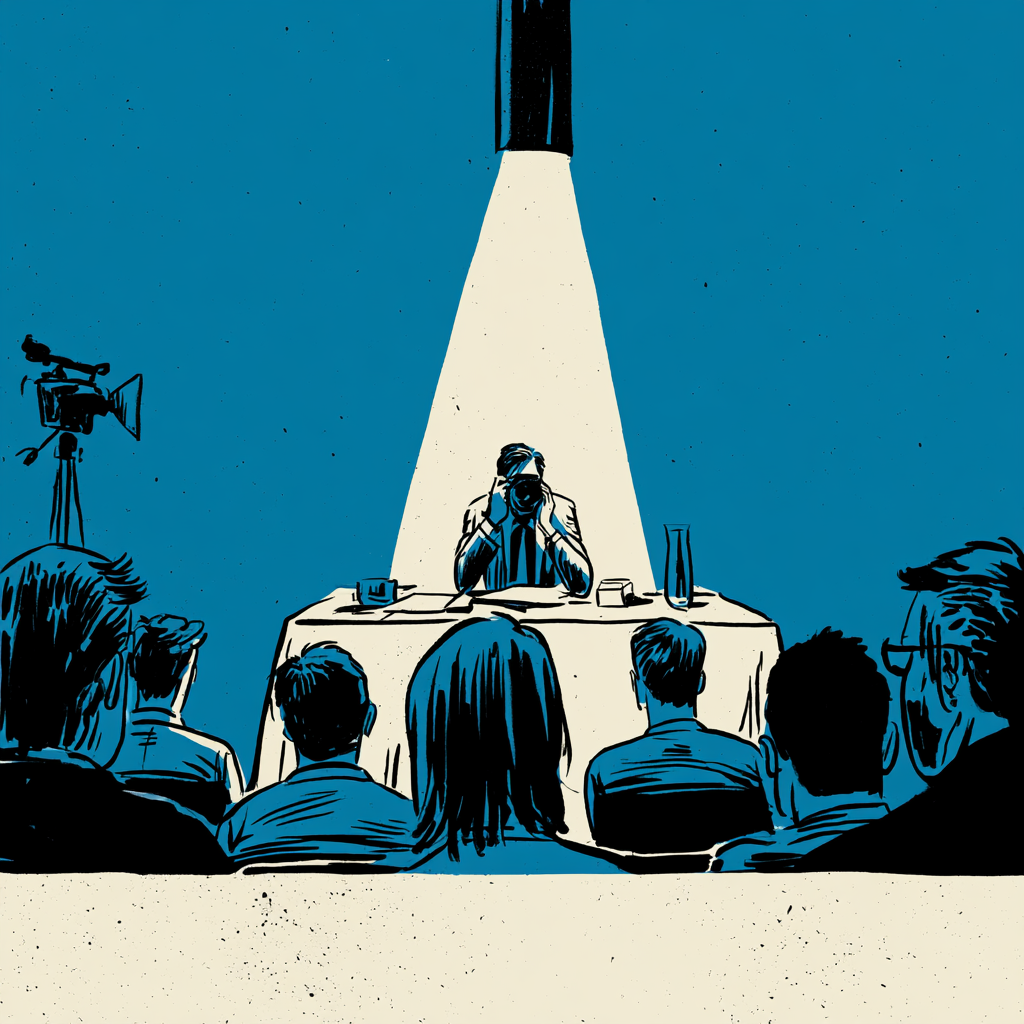
Networking can connect inventors with engineers, patent attorneys, manufacturers, licensing professionals, investors, customers, and mentors—but a larger contact list is not automatically a stronger network. In this episode, Steven and Noah identify several networking archetypes that can waste time, distort advice, create conflicts of interest, or keep an entrepreneur stuck. The “echo chamber” surrounds an inventor with people at the same stage who reinforce one another without adding expertise or progress. The “Klingon” clings to one advisor or one familiar contact and stops seeking independent perspectives. The quantity-first networker races through conversations, collects cards, and remembers nobody. Transactional connectors treat introductions like trades and expect immediate repayment, while an “army of wingmen” may route every client through referral-fee relationships that are not necessarily best for the client. Finally, beware the tiny organization that claims to perform every business service expertly. Steven and Noah contrast these patterns with relationship-based networking: get to know people before exposing your trusted network to them, verify expertise, seek diverse counsel, disclose referral incentives, and make introductions because they genuinely fit. The best network is not the biggest. It is a group of credible specialists who create mutual value over time while treating one another—and the client—as people rather than business assets.
Core Topics for this episode:
- Marketing
- Inventor Strategy
Key Takeaways Include:
Listen here:
Episode Blog
The Five People to Avoid at Networking Events
Inventors need networks. No single founder can master patents, engineering, manufacturing, packaging, logistics, licensing, sales, finance, and marketing. The right relationships shorten learning curves and connect a product with expertise at exactly the right moment.
But networking can also become an echo chamber, a popularity contest, or a web of undisclosed incentives. Episode 259 identifies several recognizable characters whose behavior can make a network look active while producing little value.
These are exaggerated archetypes, not permanent labels. Most of us have behaved like one of them at some point. The goal is to recognize the pattern early—in other people and ourselves.
1. The Echo Chamber
The echo chamber is a group in which everyone has similar experience, assumptions, and blind spots. Inventor clubs can provide community and encouragement, but if every member has spent five years discussing an unreleased product, the group may not offer the expertise needed for progress.
A healthy network includes people who know things you do not and occasionally disagree with you. That may include customers, manufacturers, marketers, engineers, attorneys, retailers, and founders at later stages.
Ask what has changed because of your participation. Are you learning new methods, receiving difficult feedback, or reaching useful specialists? If every conversation ends in mutual praise, the network may be functioning as a support group rather than a business resource. Support has value—just do not confuse it with execution.
2. The Klingon: One Contact Who Becomes the Whole Network
The “Klingon” clings to the first useful expert or comfortable conversation. An introverted founder attends an event, meets one friendly person, and spends every future event talking to that same person.
The business version is more dangerous: one engineer, manufacturer, attorney, or mentor becomes the only source of advice. That person may be capable and honest, but no professional sees every possibility. Advice that worked in one project may not apply to another.
Maintain trusted relationships while still gathering independent perspectives. The objective is not to shop endlessly for an answer you prefer. It is to understand assumptions, alternatives, and limits before making an expensive decision.
3. The Card Collector
The card collector treats networking as a volume exercise. A memorized script moves each conversation from name to business card in under two minutes. The person hears almost nothing, remembers nobody, and follows up with generic messages.
This behavior can produce a large database without creating relationships. A better event goal may be three meaningful conversations rather than thirty exchanges.
Listen for the other person’s actual work, clients, challenges, and interests. Record a useful note after the conversation. Follow up with context. Networking begins when both people remember why they should speak again.
4. The Transactional Networker
Transactional networkers treat introductions as debts. “I sent you a lead, so you owe me one.” The referral may have little connection to fit or need; the objective is to keep the exchange numerically balanced.
Organic referrals do not operate on a predictable schedule. A trusted roofer may be valuable, but a financial advisor’s clients may not ask for a roofer for months. Forcing an unsuitable referral damages everyone’s credibility.
Give introductions when the recipient genuinely benefits. Let reciprocity emerge over time through trust, reputation, and future opportunities.
5. The Army of Wingmen
Referral fees and commissions are not automatically improper. The risk appears when an advisor recommends a person primarily because money flows back through the introduction—and the client does not know.
An army of middlemen can inflate prices and steer founders toward a closed group regardless of fit. Ask whether the connector receives a referral fee, commission, equity, or another financial benefit. Transparent compensation allows the client to evaluate the recommendation intelligently.
Noah prefers a relationship-based model: connect two people who appear well matched, obtain permission, step out unless needed, and trust that doing useful work will produce future opportunities naturally.
Bonus: The “We Do Everything” Person
Be cautious when one or two people claim expert capability across taxes, legal work, estate planning, business strategy, engineering, marketing, administration, janitorial services, and nearly anything else mentioned.
Some firms genuinely coordinate broad services, but credible professionals are clear about what they do internally, what they subcontract, and where their expertise ends. “I don’t do that, but I know someone excellent” is often a stronger answer than instant universal capability.
Protect the Network You Already Have
Noah describes a costly early mistake: taking someone at face value and introducing that person throughout a trusted network before verifying character and competence. When the person disappoints others, the connector’s reputation is affected too.
Introduce gradually. Learn how the person works. Verify claims, observe follow-through, and begin with low-risk connections. Your network is not merely a list of names; it is accumulated trust.
Build a Diverse, Relationship-Based Network
A useful inventor network should include different roles and viewpoints. It should create access to expertise while remaining flexible enough to find a different specialist when the project requires it.
Strong networkers:
- Listen before pitching
- Remember context
- Verify before recommending
- Disclose incentives
- Avoid forced reciprocity
- Seek diverse expertise
- Respect boundaries and time
- Make introductions based on fit
Product Genius Take
The value of networking is not measured by cards collected, referrals traded, or the number of people who agree with you. Build slowly around credibility, diversity, and genuine usefulness. Treat people as relationships rather than assets. The right network will not merely make you feel connected—it will help you make better decisions and move the product forward.
Or, read the full transcript here:
Steven Julian
You've probably heard of the book The Seven People You Meet in Heaven. Today we're going to be talking about the four or five dangerous people we're trying to avoid at your next networking event. And I know what you might be thinking. Is it four or is it five, Steven? Well, to tell you the truth and all this excitement, I kind of lost track myself. So maybe you'll have to listen and keep track yourself, punk. Next on Product Genius. Do you want to be a successful inventor entrepreneur? Struggling to get your product from idea to market?
Well, you've come to the right place. Welcome to Product Genius, the down-to-earth podcast that explores important topics about inventing and launching new products. Noah McNeely is your trusted guide. With more than 20 years of product launch experience, he's here to help you on your journey to become a product genius. Let's get started. Here's your slightly annoying co-host, Steven Julian. Hey, that's my line. Yes. Greetings and salutations, loyal listeners of Product Genius. It is your slightly annoying host or co-host. I can't remember which one she says in the introduction. It is your slightly annoying something, Steven.
Julian. I am sitting in the air-conditioned, thankfully, layer of Product Quick Start. I am seated next to the intrepid producer, Jody Smith, and I am seated across. From he who shall be listened to today, Noah McNeely.
Noah McNeely
Well, good afternoon.
Steven Julian
It is afternoon as we record this and it is also springtime. The things green are coming out and...
Noah McNeely
And that may explain any sniffles you hear. Yes. Because springtime and I do not get along for a few weeks.
Steven Julian
Yes. And you are not quite at springtime and I do not get along. So you're not there yet.
Noah McNeely
Not yet. Yeah.
Steven Julian
But I do hear a little... There's a little something up there.
Noah McNeely
When I get there, I'll be heavily medicated and there's no telling what I'll say.
Steven Julian
Can't wait for those shows. That's when Jody and I asked for our raises. So we're excited about that. Yeah, we are going to be, we're talking about networking. We're talking about is your network up and running? And just as a little side note, those who know the lore of Product Genius know that. We talk many times about how, I mean, Noah is the engine that drives this? thing. He is the genius of helping you bring your product to market. And he brings other geniuses around the table. And we have conversations about how we can't do it alone.
We need geniuses to help get our products to market or be a genius by knowing geniuses, yada, yada, yada. And Noah sends out ideas. Hey, this is what I was thinking about talking about. And because I don't do this for a living. I'm just a slightly annoying podcast co-host. I go, that sounds great. Let's do it. We'll figure it out. He said this one, and I was like, oh, baby, I can take this ball and run with it. But then I realized as we talked pre-show, you and I have a slightly different definition.
So your note was, hey, is your network up and running the dangers of networking? So I'm going to ask you, and then I'm going to get to rebut after that. When you say networking, what are you talking about?
Noah McNeely
Well, first of all, I'd like to thank you for implying that I put a great deal of preparation in advance to this and that I sent this to you. weeks ago.
Steven Julian
You actually received it this morning because— Or when I walked in the door.
Noah McNeely
Yeah, well, that was this morning. That was before 12 o'clock. It was, you're right. It was around 1157, I think. It was. So, you know, I have been thinking about it, but I have a lot to do. So I procrastinated, which is something I'm really good at. But anyway, what was your question?
Steven Julian
Especially about activities that are profitable to your company, Product Quickstart.
Noah McNeely
It's odd. It's weird, isn't it?
Steven Julian
It is. So we have, I think we have slightly different definitions. And so we're going to take a moment. You said, hey, let's talk about the dangers of networking. And as we talked about it ahead of the show, I think I have a slightly different definition or I have a different picture in my mind of networking. When you say networking, what are you talking about?
Noah McNeely
I'm talking about just growing your pool of people you know, and then you get to know people they know. And it's just, you know, I have a more casual definition of networking than I think you do.
Steven Julian
Organic and an outgrowth of your. other regular activities.
Noah McNeely
Yeah, it's less of a, for me, it's, well, because, you know, engineers tend to be a little bit introverted. It's less of an active, you know, go out and... I work a trade show, work an event, and meet as many people as I can. It's really more, you know, I meet people through the course of what I do, and then we get to talking, and I get to know them, and they get to know me, and then we go from there.
Steven Julian
And so your topic, as you brought it, is kind of this... Being a little careful of the dangers of what you might experience as you're making relationships and starting to meet people and bring people into your sphere.
Noah McNeely
And I don't mean you might accidentally be networking with a serial killer. That could be dangerous, but that's not what we're talking about.
Steven Julian
That's another genre of podcasts that are way too, way too filled up.
Noah McNeely
We'll do the Product Genius Real Crime podcast another time.
Steven Julian
You've done that.
Noah McNeely
That would be a fun episode.
Steven Julian
Yeah, it's around patents and things like that. So what my definition, and you kind of gave. it away a little bit there, is when I think of networking, it is a specific activity. We joke about it and I casually mention it. I am a financial advisor by trade. My job is to find people and have them talk about money, their money, and if they want to use my services to help them to plan for retirement, all that kind of stuff. So I have attended dozens and dozens and hundreds and hundreds of networking events, specific networking events.
So as we talk about this topic, you were willing to go, hey, Steven, if you want to kind of go down that path and start talking about actual events, because I think. Some of your clients are entrepreneurs who may find themselves at a networking event, so it may come up. But I think there's also this line of demarcation that we can draw about just kind of building a network as you go along and specifically going to network.
Noah McNeely
Yeah, I think of those networking events kind of like those speed dating events they used to have where you go and you sit down with someone for five minutes and you learn as much. as you can about them in that five minutes.
Steven Julian
They actually do that. I'm sure they do. Speed networking is very much, Jody is over here nodding his head. He and I have both been a part of speed networking.
Noah McNeely
I would be so exhausted after that. I would go home and just crash.
Steven Julian
The biggest irritation is when you're sitting next to a person that you have to sit next to as you go through 30 different tables and they never get up when the bell rings. They always have another minute to talk and it's like, you are cutting into my time all the time. And so people will skip that. Anyway, I'm sorry. Bringing up memories, bringing up memories. Cleanse, cleanse.
Noah McNeely
I didn't mean to trigger you. That's okay.
Steven Julian
So as you're building your network, as you're going through bringing your product to market, as you do your services and looking to find clients and kind of finding other people who might be able to help your clients, you kind of talked on or sent out the idea of a few different things. What is, in your experience, the biggest? The number one danger as you kind? of start to build your network. And this might just be you anecdotally talking about your journey because you've been doing this a while. So what is kind of the biggest danger as you build a network that you see?
Noah McNeely
Yeah, so I didn't actually even put, I didn't think about that question. So I didn't actually put that one on the list here because I was thinking more about from what I've seen inventors do. But for me personally, The biggest mistake I've made in networking is, how do I say this, taking people totally at face value who shouldn't have been taken at face value. And then I start to, you know, I trust them and I start to add them, I introduce them to other people in my network. And then I find out later that, oh, that was not a good thing to do.
That person was not everything they said they were. And so I think the lesson there is. I need to, and I've learned this, you know, this was years and years ago. So the thing I have learned. Is to do a little bit more due diligence and get to know someone. really well before I unleash them on my network. Unleash is not a good word. In their case, it is because they were kind of monstrous, but introduce them to other people that you like.
Steven Julian
And I think, you know, the old saying is, you know, caveat emptor, buyer beware, networker beware. I mean, it's okay to be cautious. It's okay. Don't be a jerk, but it's okay to... And I like the way you said it. Don't take every single person and every single thing they say at face value. So let's talk about some of the ones for your clients as they go out and they start networking or they start meeting people. You kind of almost have characters on the stage. You have characters in a play as they go through these acts of bringing their product to market.
You mentioned, I'm going to just kind of use the words you used and let's talk about it.
Noah McNeely
Hey, please, if you can say everything I was planning to say, then, you know, I'll be on the spot. I'll have to come up with something. It'll be a good challenge. I like that.
Steven Julian
So you mentioned in your notes something called the echo chamber. Who is that person?
Noah McNeely
Okay, I'm going to go to the extreme version of each of these characters, I think. And I also think it's kind of like dating. And so the echo chamber, if you compare it to dating, it's... You know, that guy or girl who starts to emulate everything you do, you know, after a few dates, you know, all of a sudden it's like, I'm dating myself, which is weird. Maybe I was that person in college at one point, but we're not going to go there.
Steven Julian
For the record, Jody and I already had facial hair before we met you, so we're not emulating you.
Noah McNeely
That is true. So I look up to you both and I went home and told my wife, you know, they've got a beard. I've got to have one. If I don't have a beard, I'm going to go nuts. You didn't have a beard.
Steven Julian
No, I don't think you did.
Noah McNeely
No, I didn't. That's what I said. I went home to my wife after I met you guys. So Jody, he's met these two awesome guys.
Steven Julian
Too bad I can't echo chamber your. hair because it is fantastic and I can't, yeah, anyway.
Noah McNeely
They make wigs. But anyway, okay, so the extreme version of the echo chamber on the inventor side.
Steven Julian
Google wig people.
Noah McNeely
These are, go to Alibaba, you can get wigs there. Go ahead. In bulk. Okay, now we're getting way off track.
Steven Julian
We're derailing the host.
Noah McNeely
Extreme inventor echo chamber. Yeah. And this might offend a few people, so don't take it offensively, but. These are the people that go to the inventor clubs and that's it. That's their entire network. is other people that are going to inventor clubs to talk about how great their invention is. And then five years later, they're still going to the same inventor club talking about how great their invention is and it's all still in their garage. That's the extreme echo chamber. They're just there to brag. Okay, maybe not brag. They're just there to talk about each other's inventions and say, hey, I ran into this problem.
Hey, I have the same problem. Do you know how to solve it? No. Do you know how to solve it? No. You get stuck in that sort of echo chamber of people that. are just like you or a lot like you. They think like you. They're in the same place as you. There's nothing wrong with having those people in your network. But if that's all there is, there's not a lot of point in having that network.
Steven Julian
It's a community. It might not necessarily be helping your business, though. All right.
Noah McNeely
That's more of a support group than a network, which also there's a good reason for support groups. Absolutely. Don't expect your life to necessarily change as an inventor, just meeting other inventors.
Steven Julian
So your extreme example is inventor groups. I'm trying to think of other, yeah, I guess any group that you're in that you don't see any progress in yourself or the people around you, that might not be the place for you.
Noah McNeely
I would say if you go to a networking event or just meeting people, like your kind of version is networking event, my version is meeting people, and you're not learning anything new. And you're not having any disagreements, even if they're not like arguments, it's like, oh, he does it that way. Well, I don't like doing it that way. I do it this. way. But if you're not having any of those thoughts or conversations, your network's probably too narrow.
Steven Julian
All right. So let's move on to the next one because we get to talk Star Trek for a second. You need to be aware of the Klingons.
Noah McNeely
You do need to be aware of the Klingons. I didn't know where you were going with that one.
Steven Julian
You're still not going to say your three Klingon words that you know.
Noah McNeely
No, I'm not. But it would give away all my passwords if I did that.
Steven Julian
Well, everybody knows. one of them is Kapla because that's the one Klingon word everybody knows.
Noah McNeely
Yeah, but who knows how to spell it? That's true. You can't even spell it in English.
Steven Julian
The southern spelling or the northern spelling. Right. Yeah. Or Kronos, the Klingon moon. Anyway, so when it comes to people who cling too much as you network with other people, what do you mean by that?
Noah McNeely
You go on a date and you fall in love with the first person you go on a date with. You keep looking out the window. Oh, there's a firetruck. That's what's going on. That is distracting.
Steven Julian
And. an ambulance.
Noah McNeely
Hopefully they're not pulling into our parking lot. They're not. Okay.
Steven Julian
And Jody will have to edit that.
Noah McNeely
No, no. I thought that was fun. Oh, clinging on. So in the inventor world, so let's say you do get outside that sort of echo chamber and you do meet someone that's like, hey, this person. They're an expert on logistics or they're an expert on manufacturing or engineering, whatever it is. And then that's the only expert you ever seek in that area. So then you tie yourself to that person. You get all your engineering advice from that person. It may be good advice. It may be bad advice. How would you know?
It may be advice that only worked for their particular situation. that doesn't apply to yours. So the danger there is that you find someone that you think is... Your advisor, and they may be, but then you stop looking for other sources of advice.
Steven Julian
Or listening, I guess, would be the way to.
Noah McNeely
Or listening to other advice. That's where I've seen people run into that problem. I have people come in and they're like, I worked with this engineer and he did. this thing for me and it was great and we built one and it was great. And then I look at it and say, yeah, but you can't manufacture that. I mean, yeah, you guys had fun doing this and there's nothing wrong with the advice he gave you. It just wasn't complete advice.
Steven Julian
So my version of actually going out to network your business, specifically going to a networking event, I would actually use the Klingon or the Klingons in a different way. The first time you go to a networking event, the first time you visit a group, you're... You're standing in the corner. You're kind of like, I'm not sure. I don't know what to do. I don't want to be obnoxious. I don't want to be the person that just goes around and hands a card to everybody.
Noah McNeely
Hey, you just described me perfectly.
Steven Julian
Yeah, right. You're more the person in the corner with your little plate of hors d'oeuvres and like, I wonder if anyone's ever going to talk to me.
Noah McNeely
I'm just going to sit over here and put out the vibe.
Steven Julian
Correct. I'm just going to send out my thing. That's why I.
Noah McNeely
have the baby blue tuxedo that I wear occasionally.
Steven Julian
But one of the things that I've noticed is you go to those networking events and you find your first couple of, you have a couple of good conversations. You make one really good contact. And then when you go back, you're looking for that person. Oh, I hope Noah comes because we had such a good time talking Star Trek. I'd like to see him again and we'll keep talking. And you forget what you're really there for, which is to get out of your comfort zone and meet new people. And guess what?
It's a math problem. That you go to a networking event, 90% of the people you talk to, you're not going to do business with or they're not going to help your business.
Noah McNeely
And 1% are serial killers.
Steven Julian
Correct. Yeah. Well, less than that. You really are pinching this podcast, this crime podcast. Okay, I'll stop. Product development, crime process.
Noah McNeely
So that person you're describing there that goes and looks for the person they had a good conversation with before, that used to be me. Correct. When I would go to these things, natural introvert, engineer, Of course. And I've broken myself from this. I'm not that way quite as bad anymore, but that would be me. I would go look for, hey, where's Frank? I want to go talk to Frank and I'll hang out with Frank today.
Steven Julian
And it's not only just natural introverts, it's just you're putting yourself in a different, uncomfortable situation. And the people who say, oh, that doesn't bother me. Well, then you're just, you're triggering into your training or you are a serial. Y'all heard because you, you know.
Noah McNeely
Very stalking that guy. Exactly. Hey, where's Frank? I want to go find Frank and follow him home tonight.
Steven Julian
So it's okay. There's wisdom in many counselors. So you meet, so in your situation, you meet that person who helps you with this one thing. Just because you had a good first date, that doesn't necessarily mean I'm going to forsake all others. No, be open to hearing other conversations and other opinions, correct?
Noah McNeely
Absolutely. But I also think maybe. The other extreme is also bad. And, you know, I didn't put this on my list because it's not naturally me, but I've known people that they'll go to these. events and they'll have conversation, conversation, conversation, conversation, and they remember nothing. Correct. They'll take all these cards like, oh, I taught this guy. I don't even remember what we taught about.
Steven Julian
Oh, that's a problem. I've got the best example. Anybody listening to this who has been to chamber events or big networking events, small biz expo, anything like that, it's the person who has read a book. And they've gone through a sales training and they've been taught a pattern. And the pattern is usually something like this. You don't stay anywhere more than 60 seconds to 120 seconds at most. Everyone there needs what you have. And so you walk up and you go, hey, my name's Steven. What's your name? Oh, what do you do?
And you're not even listening. Oh, that's great. I'd love to talk more about your business. You have a card. Here's my card. I do this.
Noah McNeely
Sir, I just offered you a beer. That's all. That's my job here. I'm not here to know.
Steven Julian
I said, my name's Noah and I'm here to take your order. Yeah, that'd be great. You know, so and they just and the idea is you. just you float around the room, you get all the cards and then you're out. Right. And I'm like, you've. There is no relationship there. So that is the other end of the spectrum. Yeah, but sometimes— That's not Klingons. That's the Romulans. They hit and run.
Noah McNeely
This is the opposite.
Steven Julian
They hit and run.
Noah McNeely
Yes. All right. We're going to end up with a Star Trek podcast.
Steven Julian
That's the only Star Trek for this show. Because you said Klinging on, and I had to talk about Klingon.
Noah McNeely
Fair enough. Fair enough. All right. And I guess, so— But now, one thing you said, they read it in a book. Whenever someone is in a meeting with me and they say, I read this— Insert business strategy here in a book. My eyes just naturally roll. So that's great. That book wasn't written about your business, but please tell me more.
Steven Julian
They don't say that anymore. They say on the TikTok channel that I saw.
Noah McNeely
Product Genius is brought to you by Opu Probiotics. Pre and probiotics you can pour directly on your tongue in delicious mint and mocha flavors.
Steven Julian
But the taste is just the beginning. With Opu, you. can see improved digestive function, boosted immune system, easier weight management, improved mental health, and much more. Try today at GetOpu.com. That's GetOpu.com. So let's talk a little bit about, let's go to kind of a different danger. You kind of talk about, and I guess I would say it's like, Owing someone a favor or a transaction, kind of you owe me. Break that down a little bit.
Noah McNeely
This is the slimy guy that goes out on a date with a woman, pays for dinner, and expects something in return. What does he expect, Nov? To go to a movie the next day. This is a family program. What's wrong with you?
Steven Julian
To have breakfast.
Noah McNeely
Yes, to have breakfast.
Steven Julian
How do you like your eggs in the morning? Sorry, I was quoting the office. I've date Mike. How do you like your eggs in the morning? That was a shout out to my son.
Noah McNeely
Right. So these are, these are people that I've met plenty of and they, they, this is not necessarily inventors, although it can be, this is more, these are the kind of people who as an inventor you might want to look out for is. they, that was a weird hand signal. Okay. I think you were trying to communicate. Stay focused.
Steven Julian
No, it was me saying I'm not going to look out there anymore.
Noah McNeely
Okay. The fire charge is gone. The bright red thing is gone. Don't worry about it. So these are the people that they tend to treat the people they meet less like people and more like business assets. So they're like, I'm going to introduce you to so-and-so and then they expect you to introduce them to someone back. Not as a natural. You know, evolution of that relationship, but really more as a, it's like trading baseball cards. You know, I'll give you this, you give me that. And maybe it's not an introduction to a person.
Maybe it's, it's whatever it is. You're, you're, you kind of become really more, you're, you're less, you're treated less like a person. I think that's the best way to, way to, way to phrase that.
Steven Julian
Yeah. So instead of being treated like a person, you're being treated just as An object or, boy, that really is a dating thing.
Noah McNeely
A means to an end.
Steven Julian
Yeah, right. And you use the word, I think you put in the notes the word transaction. I think that's very apt and apropos. I think as you're building your network, as you're going and meeting people, I think everybody needs to have permission to just kind of, some people want to rush everything and some people want. So everything's got to be even, right? So the other thing I would say is there is the slimy person that's like, I want something in return. There's also a non-slimy aspect of this, which is, well, I gave you, so let's go to the networking event.
Let's say you're part of a closed networking group. Jody and I have both been part of closed networking groups. And sometimes there's this thing of, well, I gave you a referral. When are you going to give me a referral? And it's like, well, in my line of work, my clients don't go, hey, by the way, do you know a good roofer? I don't get that question a lot. Now, if I'm walking the neighborhood and, or I'm talking to my neighbor and they're like, yeah, we think we're going to have something on, you know, we need, we're trying. to touch up the house.
Well, listen, if you need any roof work done, I've got one in my group. They're great. You know, so there's that.
Noah McNeely
That's organic, which is, that's the important key there.
Steven Julian
It grows out of the relationship and it's a recognition that if you're part of, if you're networking with other people or you're at an event, just because I, you got me a referral. I'm going to try, but I don't owe you a referral. It's more that it just all naturally grows out of multiple relationships.
Noah McNeely
I may not meet someone that needs what you do for months or even years. And I've had situations like that. It's like, oh, I do know a guy that does that. And I'll go back and look him up. And it's like, let me connect you. And that's the right way to do it.
Steven Julian
So the rule here is don't ever let anyone buy you dinner.
Noah McNeely
No, take the dinner.
Steven Julian
Just when you sit down, go.
Noah McNeely
Just after you're done, say, okay, now take me home. Not your home, my home.
Steven Julian
Right. And say, I don't owe you anything. How about just, yeah, I guess like, hey, that was fun. Let's do that again. So anyway, next time I'll pay. So another topic is. you kind of talked about the army of wingmen. I was trying to think of a different variation of it, but that's such a great phrase.
Noah McNeely
You know, I was trying to come up with something there and that's the best I came up with. And I kind of liked it too. So the army of wingmen. So tying it back to dating, these are the guys that, or girls, that introduce you onto a lot of blind dates when really their agenda is they want to meet your friend or whatever it is. You know, they have a secret agenda there. So in the world of business, what I mean there is, there are people that I do have relationships with or have had relationships with.
In business, where everybody wants a referral fee. You know, so it's like, you know, I've entered into these agreements in the past. I don't really do them anymore because I generally find they're not that effective or not that good. It's like, I will send you a client, but I want a commission back. or whatever it is. Now, there's nothing necessarily wrong with that structure. That's okay. I just don't like disguising it as networking. And for a couple reasons. One. I don't want, and I'll get to why I don't want to be that wingman either, but I don't know that it serves the client that well because then everybody's upcharging their, you know, what they do.
And that creates a whole kind of army of middlemen or wingmen. Now, the reason I don't do it is, and there are people that do the kind of business I do that do engage in this. It's like, well, I'll connect you with my patent attorney. And on the back end, that patent attorney is sending them a check or whatever. Again. Legally, whatever, that's fine. If that's how you operate, that's how you operate. It's not how I like to operate. because one, because frankly, I'm good at what I do. I stay pretty busy and I don't need to latch onto someone else's job in order to bring money in.
Two, I don't have time for it because now if I've connected you with somebody and I'm the middleman, well, I got. to be that middleman and I've got better things to do. The way I operate. In fact, I ask both people permission. Hey, Frank, John over here, he can help you. And I think you need to talk to him. John, I want to send you Frank. This is what he's up to. I think you can help him. I get that permission. Then I just connect them both by email. And I say, hey, if you guys feel free to connect without me, if I can help, feel free to call me.
But otherwise, I'm going to step out.
Steven Julian
I'm going to ask you a very interesting question that I don't think you probably weren't expecting. this potentially. People in this scenario. Who they really want to meet your main person or they have their own agenda. People have approached you and said, I'll bring you leads, but I expect a commission?
Noah McNeely
Yes, I've had that.
Steven Julian
Because the only scenario I've had, the only scenario I've seen is there is definitely the people that go, hey, if you bring me a referral, I'll give you a referral fee. I get that all the time. Insurance people say that. I've. had other business leaders and things go, hey, I'll be happy to send you a referral. A referral fee for bringing someone in. I've never had someone demand like, oh, I'll get, but I guess in the world of projects.
Noah McNeely
Demand is a strong word. You know, it's always in a nice, fluffy business way.
Steven Julian
I guess I would almost be like, hey, because if you're, if I'm that person and I'm saying, hey, Noah, if I bring you a client, I would really appreciate kind of a referral fee back. I really am almost asking for a commission and I'm now. I'm now a, what war just went out of my head, a lot of things went out of my head. Anyway, I'm now a business consultant. I'm consulting, and that fee is the consulting of introducing them to you.
Noah McNeely
And let me talk about something which I think relates more to your industry, and that's the concept of a fiduciary, where you have an obligation. If you're a fiduciary, you have an obligation to do what's right for your client. I'm probably misphrasing this. Even if it's not in your own best interest. And I tend to view. myself more in that vein. I mean, there's no such thing as a fiduciary in engineering, but I want to do what's right for the client. And if I've got, you know, someone that does whatever package production in my network and I get a referral fee for sending people to them, that kind of skews the math a little bit in a way that may not be great for the client.
They may be the best packaging company for that client, but they may not be. And I'm like, oh, if I send them to... To John, I'll get a $500 check at the end of the month, but John's going to overcharge him, but I want the $500. That's not right for the client in most cases. It's just not appropriate.
Steven Julian
So I think our listeners are hopefully learning something. I think they may be yelling at their device because I think this is a topic that everybody's kind of probably gotten their hands a little wet in this and gotten their feet a little dirty kind of going through all this. Not to correct you, but just to expand the concept of a fiduciary, I would say the biggest issue of it is you are completely transparent. So what actually what I would do as a fiduciary is I would say, hey, I'm going to refer you to this attorney.
And just so you know, I've done my due diligence, but I do receive a referral fee from this attorney. That's why they're my first referral. I have another attorney if this one doesn't fit or I'm going to give you these two, but I am going to disclose that I get. I get a referral fee, you know. And so that's actually a great question to ask. Is there any financial benefit to you? If somebody's telling you, you got to talk to this person, do you financially benefit from this? And it's not wrong.
We're both saying it's not wrong. Just in a fiduciary, I would disclose that.
Noah McNeely
So here's how, you know, I don't know if this is the right time to go into this, but the way I financially benefit from referrals. Is not really in that sort of finder's fee way. It's more in the sense that when I find the right person, like the right, you know, this is a person. that's really good at putting licensing deals together. And I've seen that they do it and they do it well. And people, you know, they've got good reviews and I've seen it in action. I will refer people to them, not because that person is going to write me a check for that one client.
But now down the road, when they run into somebody that needs engineering or design work, They already know I did good work. Who are they going to send that person to? They're going to send them to me. And that's how I benefit financially. It's less transactional. It's more relationship-based.
Steven Julian
And the other side of that, too, I think you would agree with this. And I think there isn't anyone who has been around any kind of business that doesn't recognize, well, that's what networking really is. That's what it's supposed to be. Correct. That's the best use of networking. And the other thing I was going to say is, The other reason you don't get financially benefited, but when you send that person to that patent attorney, the other reason you're sending them to that patent attorney is because you know beyond, you. know, you have sent multiple clients and almost every single client, if not every single client is gone.
What a great experience. That was so good. I'm so glad you referred me to them.
Noah McNeely
And at the end of the day, that client may have another product they want to develop in the future and they're going to come back to me. Correct. And by sending them to someone that's going to help them be more successful, they will have more money to invest in new products in the future too. Yeah. Now, if I send them to somebody that is going to make them less successful, you know, I'm not, they're probably, I'll never see them again. Not necessarily because that person failed them or I sent them to that person, but because their business didn't grow and expand the way it should have.
Steven Julian
Yep. All right, ladies and gentlemen, it is time for Noah's story time. It's that special time of the show. I wish we had music, Jody. I'm going to let you in. When I was in elementary school, there was a lady who would come, I think she was a mom of one of the. students, and she would read stories to us at the library, would do library time. And she would bring a little bell and she'd ring the bell and she'd go, it's storytelling time. That has been seared into my brain.
Three years of hearing, it's storytelling time.
Noah McNeely
That sounds like.
Steven Julian
And there's a second verse to it that I'm not going to sing.
Noah McNeely
It sounds like the previews for a really weird, creepy horror movie.
Steven Julian
When you played it backwards, it said, you know.
Noah McNeely
Eat more chicken.
Steven Julian
Yeah, join the Romulan Empire. So you've got a story. That you want to tell. So let's all sit back. Crack open a Dr. Pepper Blackberry Zero and let's listen.
Noah McNeely
Well, see, now you've built it up way too big. It's not, I mean, it's just a little blurb of the story.
Steven Julian
It's not really a story. It's an anecdote. Noah had an example. Let's just listen.
Noah McNeely
A bad networking example. This relates to the trend.
Steven Julian
I will tell my bad networking example. Perfect. After you tell yours.
Noah McNeely
So this was a guy who really treated me. Me poorly from the standpoint of networking. And it viewed things very transactional. He would call. me for advice once in a while. So it was always little bits of advice here and there. And then he would actually occasionally hire me to do just something real small, something very small. And he would talk about all these great people he knew and et cetera. But he would never introduce me to anyone else. He kept that very closed. And it was always like, hey, when we get this.
So eventually one day I said, you know, I'm just, I feel like you're just wasting my time. I don't want to really work with you anymore. And I never heard from him again. And that's, that's okay.
Steven Julian
That's a great story. I told you you built it up way too much. Can you give an example of what a small, I mean, like what he asked you to do? that you, you know, was it like, oh, Picture it, Lawrenceville, 2015.
Noah McNeely
This is the- An engineer sits in his office and the phone rings. Okay.
Steven Julian
Yeah. So is it like redo this CAD?
Noah McNeely
It was stuff like that. Yeah. It's like, hey, this, I 3D printed this, somebody 3D printed this for me and it broke. Can you help me figure out why? Okay. It was little stuff like that. Not really the way I was accustomed to working, but it was, there were a lot of unhealthy elements of this relationship.
Steven Julian
And there was a hope of something bigger. Yes. Okay.
Noah McNeely
It was a promise without being a promise that never. Correct.
Steven Julian
Okay.
Noah McNeely
And eventually I just realized, this guy's just stringing me on.
Steven Julian
All right. So I've got a similar, I've got a little bit of a similar story. And this goes back to your very first, your biggest thing that you learned, biggest mistake, taking people at face value. So I was networking and trying to get people to talk about their investments or their workplace retirement plans. And I met this person. And exchange cards had a very good first contact, first interaction. It was just nothing. They weren't super salesy and it was just, hey, tell me about your business and tell me about your business.
Oh, okay, that's interesting. And as we started talking, we just started talking about like, what are, they asked the question, what are some of the things you help people with? Tell me more about. the things you help people with. And then they heard that I do business owners. And they were like, oh, okay. And so what, what kind of businesses do you work with? And then, and they say, so who do you refer people to? And I go, and here's where it started. The red flag started popping up. You know, I do business will ask me sometimes about taxes.
Oh, good. Cause we do taxes. Oh, okay. Well, you know, and I, you know, businesses might ask. About people who help with their business plan or strategy. Oh, we do that. And everything I said, it was like they did everything for business owners.
Noah McNeely
On occasion, someone needs to clean the toilet. Oh, we do that.
Steven Julian
We have janitorial services too. Literally, it was administration, business plans, taxes, LLC, estate work. I mean, it was just everything. And I was like, and how many people are in you? Oh, it's just two of us. I was like, oh, that's great. So beware of the person who can do everything. One of my oldest networking friends called it the Mr. Haney syndrome. And that's a nice, that's a new reference for. Product Genius. It's the guy from Green Acres that's always like, yeah, I do that. You know, it's the guy who could do everything.
The general store, he had everything and he did everything.
Noah McNeely
So anyone in the audience under the age of 40 is like, green what?
Steven Julian
Green what? Green Acres, go YouTube that stuff. You know how the old phrase GTS, Google that stuff? It should be YTTS, YouTube that stuff, you know, so YTTS. Anyway.
Noah McNeely
Let's just hope that's not an acronym for something horrible that we're not aware of.
Steven Julian
I think so. Noah, I think we are in the midst of a first for Product Genius. So congratulations, sir. We have kind of gotten to the end of the dangers. And I think we need to split this episode in two. I think we need to do a two-parter. I think we need to do a cliffhanger unless you want to spend just a couple of minutes. Talking about doing it right or should we do the doing it right is part two.
Noah McNeely
Well, you are the podcasting expert. So I think I'm going to follow you.
Steven Julian
Jody's the podcast. We can get Jody involved. Oh, this is even better. This is a first. Okay. Ladies and gentlemen, Jody Smith does not have a microphone and he does it for a reason because we've only, he's only been heard on the show once. Jody, do you think we should go to a part two episode? Just nod. Yes. Yeah. Oh man, there was no hesitation.
Noah McNeely
There was a lot of emotion in that. There was a lot of it.
Steven Julian
Yeah. And also what that means is. I finished my coffee. I think he's finished his Blackberry Zero Sugar, and we're going to go raid your fridge and get two more and do part two. So Dr.
Noah McNeely
Pepper's here just for you guys.
Steven Julian
It is not. You liar.
Noah McNeely
Well, I bought it this morning just because I knew you guys were coming.
Steven Julian
Stop being an army of wingmen.
Noah McNeely
I had to go to Walmart anyway, so I figured I'm here.
Steven Julian
There you go. And he did Sour Punch. Yeah. Sour Punch.
Noah McNeely
I should point out that we're not sponsored by Walmart, Dr. Pepper, or the makers of Sour Punch Straw.
Steven Julian
No, not at all. We are sponsored by Product Quick Start. See that? Well done. Product Quick. Start. Noah's company can help you. I know Pooh Probiotics. Oh, Tiffany's going to send me a text. Oh, man, I'm in such trouble. She's going to send her dad. He's going to hurt me.
Noah McNeely
Didn't he used to be a Marine?
Steven Julian
Yes, I think so. Yeah, he's a foreign.
Noah McNeely
That guy kicked my butt.
Steven Julian
Yeah, so Product Quick Start is Noah's company. He can help you bring your product to market. Go to his website, productquickstart.com.
Noah McNeely
And I do, I don't do everything. I don't do everything. I do a lot, but I don't do everything. I'm not one of these. everything guys.
Steven Julian
God, you scared the crap out of me. I'm already scared that Tiffany's dad is going to come beat me up. We are also sponsored by Opoop probiotics. You heard those commercials. Stay tuned for the cliffhanger for the exciting conclusion of Is Your Network Up and Ready? Next on Product Genius.