Product Genius, the Podcast for Inventors, Entrepreneurs, and Startups
Honest advice for inventors—with obscure cultural references included at no extra charge.
Episode
239
Molded Fiber Products with Charlie Langston of Tanbark
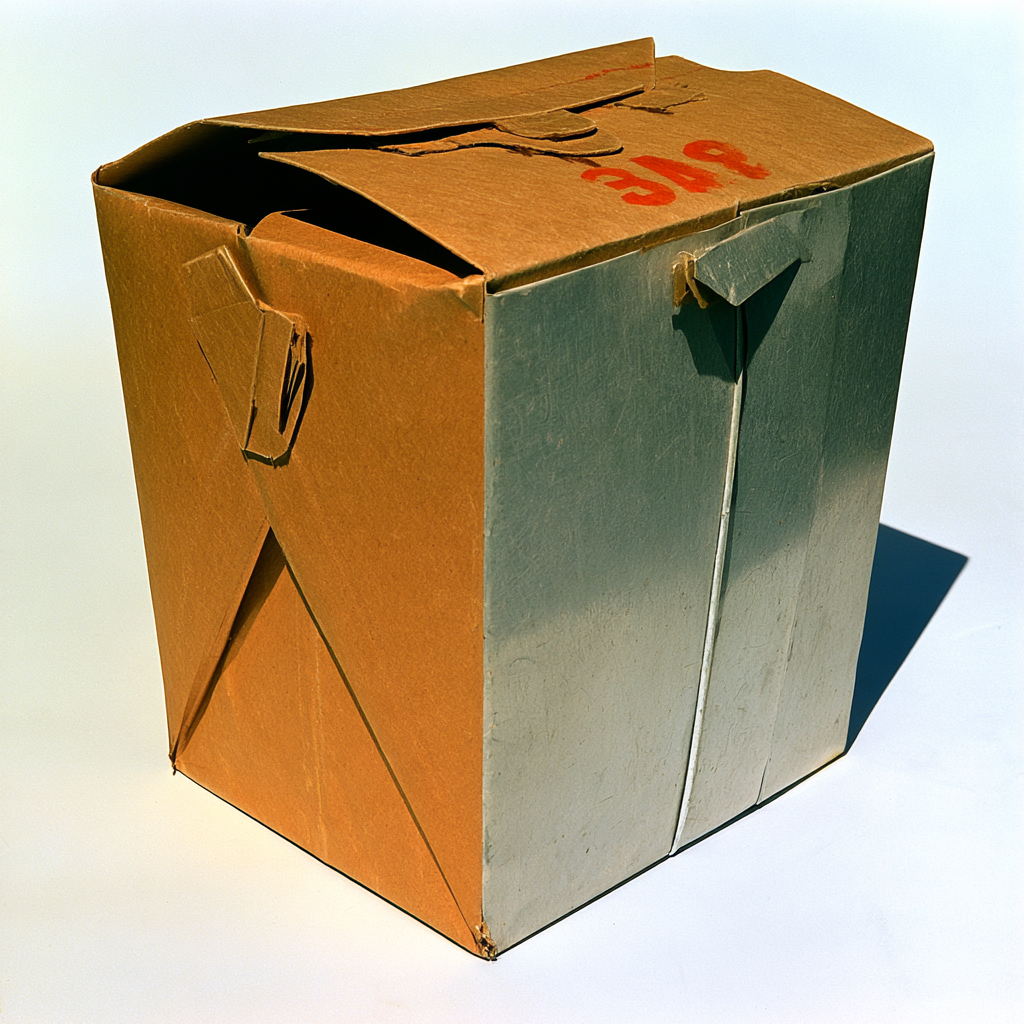
Could molded fiber replace plastic in your invention, packaging, or single-use product—without requiring millions of units? Noah and Steven talk with Charlie Langston of Tanbark Molded Fiber Products about making sustainable molded fiber manufacturing accessible to inventors, startups, and lower-volume businesses. From custom lobster-roll packaging and compostable birdhouse liners to medical products, Easter eggs, and even the possibility of disposable fiber drones, they explore how lower-volume tooling, domestic manufacturing, compostability, sustainable forestry, and changing plastic regulations are creating new product-development opportunities.
Core Topics for this episode:
- Manufacturing
- Inventor Strategy
Key Takeaways Include:
Listen here:
Episode Blog
Molded Fiber Products: A New Manufacturing Option for Inventors
Say “molded fiber” and most people probably picture an egg carton.
That is not wrong.
It is just wildly incomplete.
In this episode of Product Genius, Noah McNeely and Steven Julian talk with Charlie Langston, Director of Sales and Marketing at Tanbark Molded Fiber Products, about a manufacturing process that takes one of the oldest materials around—paper fiber—and turns it into surprisingly sophisticated three-dimensional products.
The really interesting part for inventors and startups is not simply that molded fiber can replace plastic in certain applications.
It is that Tanbark is changing the economics of the process so smaller companies can actually use it.
From Egg Cartons to Engineered 3D Shapes
Molded fiber is essentially papermaking in three dimensions.
Fiber suspended in water is formed over tooling, creating a shaped part that can include contours, pockets, ribs, branding, nesting features, and other functional geometry.
Historically, molded fiber has been associated with enormous production volumes.
Think egg cartons.
Paper plates.
Industrial packaging.
Those products are inexpensive because the equipment and tooling are designed to run huge quantities for years.
That model works beautifully if you need millions upon millions of parts.
It is less helpful if you are an inventor who needs 7,000.
Tanbark was created to address that gap.
Making Molded Fiber Accessible at Smaller Volumes
Charlie explains that Tanbark grew out of a company that manufactured molded-fiber production equipment.
Customers repeatedly asked whether smaller machines could be built for applications that did not require traditional mega-volume production.
Eventually, the answer became yes.
Tanbark uses smaller-scale equipment that makes changeovers and tooling practical at quantities that conventional molded-fiber manufacturers may not even consider.
That changes the opportunity dramatically.
A startup may not need a part to cost twelve cents.
Maybe a two- or three-dollar molded fiber component works perfectly within the economics of the product.
If so, forcing the business into a million-unit manufacturing model makes no sense.
Manufacturing economics should fit the business—not the other way around.
The Birdhouse That Explains the Opportunity
One of Charlie’s best examples is a company developing environmentally friendly garden products.
The customer had a plastic nesting pod but did not want baby birds living directly against a bare plastic interior.
Birds live in trees.
Trees are wood.
So the team wanted something wood-based.
Eventually, someone looked at an egg carton and realized molded fiber might be the answer.
Tanbark created a removable molded-fiber liner for the nesting pod.
The liner includes functional details such as molded cleats that help the birds climb in and out, and the customer’s branding can be molded directly into the part.
At the end of the nesting season, the liner can be removed and composted.
Then a fresh liner goes in.
The quantity?
Roughly 7,000 units.
Traditional molded-fiber manufacturers had essentially laughed at the project because their equipment economics could not support that volume.
For Tanbark, it works.
That is exactly the kind of manufacturing option inventors need to know exists.
Packaging Is Only the Beginning
Packaging remains an obvious application.
Charlie describes custom clamshells and small serving boats Tanbark manufactures for Luke’s Lobster.
Instead of foam or plastic takeout packaging, the restaurant can use custom molded fiber that supports its sustainability goals and gives customers a more intentional experience.
But molded fiber does not have to remain packaging.
Once you begin thinking of it as a moldable engineering material rather than “egg-carton stuff,” the possibilities become much broader.
Noah and Steven quickly start brainstorming.
Crafting products.
Disposable molds.
Children’s products.
Medical components.
Easter eggs.
And then Charlie drops the particularly interesting idea:
Drones.
A Compostable Drone?
Charlie had recently seen compostable paper batteries at the Consumer Electronics Show.
That raised an intriguing question.
If the power source can become compostable, why couldn’t much of the drone?
Most drones today are treated as durable products because losing one means losing a collection of plastic, electronics, batteries, and other materials.
But imagine applications where a drone is intentionally low-cost or potentially unrecoverable.
Environmental monitoring.
Temporary delivery.
Remote sensing.
Agricultural use.
Other applications nobody has thought of yet.
A molded-fiber structure could create an entirely different product architecture.
The point is not that every inventor should immediately build a paper drone.
The point is that a new manufacturing capability can create product opportunities that did not make sense before.
Inventors should pay attention when the economics or capabilities of a process change.
Single-Use Medical Products Are Another Big Opportunity
Charlie also sees significant potential in medical products.
Healthcare uses enormous numbers of disposable plastic components.
Swab handles.
Protective pieces.
Trays.
Packaging.
Small accessories used once and discarded.
Some of these applications may be candidates for molded fiber.
The environmental motivation is obvious, but Charlie also points to increasing concern about microplastics and human exposure.
When consumers begin viewing plastic not merely as a landfill issue but as a personal health concern, material preference can shift quickly.
That can create business opportunities for inventors who can redesign existing disposable products around different materials.
Sustainable Forestry Creates a Useful Raw Material
Because Tanbark is based in Maine, the conversation naturally turns to forestry.
Charlie also serves on the board of a timber company and explains an important piece of the economics.
Forestry does not produce only perfect lumber.
When trees are harvested, smaller trees, tops, and other material may not be suitable for dimensional lumber or cabinetry.
Historically, much of that material has gone into pulp and paper.
As traditional paper consumption declines, that market becomes less robust.
Molded fiber creates another valuable use for the same resource.
That matters because sustainable forestry depends partly on having productive markets for the different materials generated from managing a forest.
Instead of treating fiber as a leftover, it becomes feedstock for new products.
Compostability Changes the End of the Product’s Life
One of molded fiber’s most obvious advantages is what happens after the customer is finished with it.
Paper-based fiber can be recyclable and compostable.
Charlie makes a simple comparison.
If a molded-fiber item becomes litter, it behaves more like a leaf than a piece of plastic.
It eventually breaks down.
That can be particularly valuable for products likely to be discarded, lost, or contaminated after use.
It also creates interesting operational benefits.
Luke’s Lobster, for example, uses composting in its restaurants.
The problem with a compost bin is that customers inevitably throw non-compostable items into it.
Plastic contamination can make the entire waste stream more difficult and expensive to manage.
One solution is behavioral:
Train every customer perfectly.
Good luck with that.
The other solution is product design:
Stop handing customers things that cannot go into the compost bin.
That is a systems-level way of thinking about packaging.
Sustainability can influence not merely the material but the entire customer experience and business operation.
Packaging Is Part of the Product Experience
Charlie makes another point inventors should not overlook:
Packaging is often the customer’s first physical contact with your product.
Before they touch the invention, they touch the box.
Before they see the details of the product, they experience the unboxing.
Packaging communicates something about the brand.
Cheap.
Premium.
Technical.
Natural.
Wasteful.
Thoughtful.
Disposable.
Sustainable.
For companies selling an environmentally conscious product, putting that product inside a pile of plastic can create a contradiction customers notice immediately.
Molded fiber gives brands another way to align the packaging with the promise of the product.
Sometimes Regulations Make the Decision for You
Material choices are not always voluntary.
Charlie describes businesses operating in locations that are restricting or banning single-use plastics.
Nantucket, for example, has adopted restrictions, and other municipalities are moving in similar directions.
Companies may also face fines in international markets when packaging does not meet local requirements.
That means alternative materials are not merely a branding opportunity.
For some businesses, they are becoming a compliance requirement.
Inventors planning products for national or international distribution should consider this early.
A packaging decision that works beautifully in one market may create problems somewhere else.
Domestic Manufacturing Is Another Advantage
Noah highlights another reason the Tanbark model is interesting for Product Genius listeners:
The parts are manufactured in Maine.
For inventors accustomed to assuming that low-cost molded components must come from overseas, a domestic molded-fiber option can change the calculation.
Domestic production can offer benefits such as:
Shorter supply chains.
Easier communication.
Lower shipping complexity.
Faster iteration.
Reduced exposure to overseas disruptions.
And, depending on the product and economics, a stronger domestic-manufacturing story for the brand.
It will not automatically be the cheapest solution for every application.
But cost per part is only one part of manufacturing economics.
Tooling, inventory, logistics, lead time, risk, sustainability, and customer perception matter too.
Innovation Can Happen in the Manufacturing Process
One of the most important lessons in this episode has almost nothing to do with paper.
Inventors naturally think of innovation as something happening inside the product.
A clever mechanism.
A new feature.
A better user interface.
But manufacturing innovation can be just as powerful.
Tanbark did not invent paper.
It did not invent molded fiber.
The innovation is making an established manufacturing technology work economically for a different class of customer.
That opens doors for products that previously could not justify the process.
Inventors should constantly watch for these shifts.
3D printing became dramatically more accessible.
CNC machining became more accessible.
Electronics prototyping became more accessible.
Now molded fiber may be moving in the same direction.
When a manufacturing process becomes accessible at lower volumes, it can enable entirely new businesses.
The Product Genius Take
If you are developing an invention that currently uses thermoformed plastic, injection-molded plastic, foam packaging, disposable trays, inserts, single-use components, or custom packaging, molded fiber deserves a look.
Especially if sustainability is important to your customer.
Especially if the product is disposable.
Especially if regulations are pushing your market away from plastic.
And especially if you previously dismissed molded fiber because you assumed you needed millions of units.
The manufacturing landscape changes.
Processes that were once available only to enormous companies can become practical for startups.
That is why inventors should understand manufacturing before locking themselves into a material or production method.
Sometimes the better solution is not inventing a more complicated product.
Sometimes it is discovering that somebody in Maine figured out how to make egg-carton technology do something nobody expected.
Including, apparently, a compostable drone.
We are definitely going to need an episode when somebody builds that.
Or, read the full transcript here:
Steven Julian
Got wood? Well, it's actually molded fiber products. on Product Genius today, and you'll find out what do birdhouses, drones, lobster rolls, Easter eggs, and Frank's lawsuit all have in common. Hey, and if you stick around to the end, there's even a surprise delivery, but sadly not from Mr. McFeely. Next on Product Genius.
Charlie Langston
Do you want to be a successful inventor entrepreneur?
Noah McNeely
Struggling to get your product from idea to market?
Charlie Langston
Well, you've come to the right place. Welcome to Product Genius. The down-to-earth podcast that explores important topics about inventing and launching new products. Noah McNeely is your trusted guide.
Steven Julian
With more than 20 years of product launch experience, he's here to help you on your journey to become a product genius. Let's get started. Here's your slightly annoying co-host, Steven Julian. Yes! Happy New Year, everybody. Welcome to another, hopefully... Award-winning edition sometime soon of Product Genius. It's your slightly annoying co-host. Well, probably a little more than slightly annoying with that long intro, but I hit such a good note, and it just resonated, and I wanted to just keep going. And Jody has my headphones turned down a little bit, so I don't know. if it was too loud, but I'm just kidding, Jody.
You don't have to adjust. Hey, there I am.
Noah McNeely
Hey, I exist. See, I was afraid you were going to just say good morning to Vietnam there as you were getting halfway through it.
Steven Julian
But I was yes. I didn't say good. I said yes.
Noah McNeely
Okay. It's not a perfect analogy.
Steven Julian
It is. But it's a good one. It's a good one. I'll take it. Hey, Noah.
Noah McNeely
Happy New Year.
Steven Julian
We're in it now. So I just totally butchered the opening. You jumped in to save me. And we're in the deep end of the pool. It's Noah McNeely. He is the leader of... Product Quick Start and the genius behind Product Genius. I am, of course, I'm your slightly annoying co-host Steven Julian. And we are kicking off yet another year. I don't even know what year it is because we have so much fun. It just all runs together. And we got a great show that we're going to talk about. And Jody, by the way, make a note, this needs to be the first one of the 2025 because I did start it off with Happy New.
Year. So we don't want to do that one like fourth in the rotation or anything like that.
Noah McNeely
Hey, it's May. Why are they just posting?
Steven Julian
That's a weird intro. So yeah, we got a great guest today. So why don't we just get right to it, Noah?
Noah McNeely
Sounds like a winner to me. All right.
Steven Julian
We are thrilled and excited to welcome Charlie Langston. He is the Director of Sales and Marketing with Tanbark Molded Fiber Products. Sorry for messing up the name. Charlie Langston, welcome into the show.
Charlie Langston
Thank you. Great to be here. Yeah.
Steven Julian
So Tanbark, tell us about Tanbark and what you guys do.
Charlie Langston
Tanbark is innovating in an ancient technology. Essentially, we're taking paper making and turning it into 3D shapes, but we're making it accessible to smaller volume producers. This process was actually invented in Maine, which is where I'm talking from, was really set up about a century ago. For mass production of parts, right? And it evolved along those lines from very high volume production of things like paper plates or egg cartons. And all the equipment was set up for that kind of production. And it's very good at high scale. Tanbark started because a husband and wife team, they had a company.
That they had inherited from the family business that made the equipment to make molded fiber products, those egg cartons, for example. And they kept getting inquiries about, could you make a smaller piece of equipment? Something that I could use in my operation where I only need half a million parts a year or three million parts a year. And so they did two things. One, they... Designed smaller equipment. And the second was they launched tan bark molded fiber products. And our mission is to make molded fiber, sustainable molded fiber products accessible to smaller volume users.
Steven Julian
So that fantastic introduction. And what I want to do is as someone who's not in that industry and also being in a medium where people can't see it, when you said egg carton and paper plates. I began to get it. Okay, I think I see it. Can you give another example of something we see in our life that is a molded fiber product that Tanbark would be able to do? And maybe something halfway between what a paper plate and an egg carton, because obviously those. are massively produced. And maybe it's an example of something you've been able to do in a smaller run, something you've been able to do for a company that's a smaller and something that everybody will get that picture immediately and kind of know, okay.
Because the other thing I was thinking is the weight and the texture and the feel of a paper plate to an egg carton, while they're made the same thing, that's a broad spectrum in what you guys do. One is very... Not the ones you make, but one is very thin and light. Give me another example and especially something that you've been able to do on a small run that a business owner goes, ah, finally, we've arrived.
Charlie Langston
Sure. Well, I wonder if I could. Essentially, I'll go a little bit more into what molded fiber kind of is. Essentially, what we do, it's on the same kind of level as thermoformed plastic. You know, we can form complex 3D shapes with paper. The applications are kind of, you know, endless. What we've done so far, we make clamshells, like takeout clamshells for a high-end lobster roll place. And our clamshells that we. make for him, you know, if you bought lobster rolls, it comes in a little, you know, what used to be foam.
And now sometimes this plastic, we can make it out of paper and then it becomes compostable and recyclable. So like a takeout clamshell, we've made little, you know, kind of boats that go in those clamshells. So this one particular customer I'm talking about is, it's called Luke's Lobster. And he has a trio thing that he offers where you can have a... A lobster roll, a shrimp roll, and a crab roll. And each one comes in its own cute little molded fiber paper boat that sits inside this custom clamshell. And they have little sheet molded onto them, denesting kind of features, things like that.
But it provides this high-end experience for his customers who are buying a very high-end product. Apologize for bringing that up right around lunchtime until they make you guys hungry.
Steven Julian
Well, don't apologize for bringing up lobster rolls. And Noah, obviously, you're going to get back to Frank's Cheesehammers because I know they're looking for shipping products. Of course.
Noah McNeely
Well, once they get past that lawsuit, they'll be doing it.
Steven Julian
Absolutely.
Noah McNeely
That's a joke, Charlie. It's an inside joke. You have to listen to several episodes to get it. So, Charlie, you were introduced to me. By an old friend of mine, Sam. And he's like, hey, he does this molded paper stuff. And I was like, yeah, I've been familiar with molded paper for 25 years. And I was like, okay, it's just another guy. He's into packaging. He doesn't know what I do. And Sam's just, Sam probably talked to him and he's like, all right, well, I want to get rid of this guy.
So I'm going to send him to Noah. But when you and I actually talked. I realized, no, you know exactly what I do and you know exactly who I'm trying to do that for. And so I was really excited to have you on because, you know, we got into that conversation and, you know, three sentences in or four sentences in, you hit the main thing that interests me. And that is we're making this accessible for small companies, for people that are bootstrapping, for people that aren't making 300 million packaging pieces every year.
And the way we're doing that. is we have these smaller machines. And so now we can do tooling. that's very down closer to what you might pay for tooling for a thermoform or some other type of maybe more traditional methodology that is very accessible to the budgets of many of our listeners who are, again, inventors, entrepreneurs, they're startups, they're just getting their business started. And so at that point, I got very excited about talking to you and very excited about having you come on the show so that we could introduce this to some of our listeners.
Charlie Langston
I have a great example of that. that was kind of back to Steven's question, which was, if you wouldn't mind, I'd tell about a customer of ours that he... Essentially, he's trying to make eco-friendly garden products in a pod-based system. He really wanted to use wood as a manufacturing medium, and he just couldn't figure out how to make the economics work. So he said, okay, fine, I'll use 100% recycled plastic. But one of the things he made was a birdhouse, and they decided they didn't want to have the birds build their nests in just a bare plastic.
Container because that. just didn't feel natural to them. So their thought process went, well, birds live in trees. Trees are made out of wood. This should be some kind of wood-based thing. And then they bought some eggs at the grocery store and were looking at the egg cart and said, hey, why don't we make it out of this? So we make a liner for this guy's nesting pod. And a molded fiber liner gets spit into this nesting pod. It has little cleats molded into it to make it easy for the birds to climb in and out.
It's got his brand, of course, molded right in there. And at the end of the nesting season, the user of this can take the whole thing out, put it in the compost, and put a new one in. That guy, he tried talking to some other molded fiber producers before us. And they laughed at him because of his volumes, right? I mean, now we're doing 7,000, you know, this is a new company. So, you know, it starts out kind of small, but we believe this guy will grow. And still, even at those numbers, you know, 7,000 kind of. ordered quantity, it makes economic sense for him and for us.
Noah McNeely
Yeah, this is, I think, the first time I've ever heard of anyone. Looking at the economics of this process in a very different way, and I think, I don't know what was in their minds, but I think when he went and talked to these other molded fiber companies, they were like, you know, this is going to be, you got to make a bunch of these because the price has to be 12 cents a piece or three cents a piece. But that really wasn't what this client needed because this is not a throwaway.
Piece of packaging. This is a semi-durable good. Like you said, it's going to last an entire year. So there is room there. Yeah, if you make 7,000 of these, they're not going to be 12 cents a piece. They're going to be a couple of dollars, $3, whatever it is. But economically, that works perfectly for his business. in a way I think traditional molded fiber companies really couldn't wrap their head around. And that was one of the things. I was really excited when you told me a version of. this story on our original call.
But it seems like what you guys have done is turned the economics upside down for a whole different type of client.
Charlie Langston
Sure. And it's not because the other producers just only think it can be done at 12 cents. Their whole system only makes sense at that kind of level because their tool sets are half a million dollars. It takes them a week to set up their machine. So they do it. They set it up. Then they run it 24 hours a day, seven days a week for 10 years in a row.
Noah McNeely
So your bird nest guy, he'd have to be in business 30 years before he paid off that tooling, right? Exactly.
Charlie Langston
Product Genius is brought to you by Opu Probiotics. Pre and probiotics you can pour directly on your tongue in delicious mint and mocha flavors. But the taste is just the beginning. With Opu, you can see improved digestive function, boosted immune system. Easier weight management, improved mental health, and much more. Try today at getopu.com. That's getopu.com.
Steven Julian
We're speaking with Charlie Langston. He's the Director of Sales and Marketing with Tanbark Molded Fiber Products. And Charlie, I wanted to reference a couple of things right on the front of your website, which we'll give at the end if people haven't already Googled as they're listening to this podcast. And you mentioned it. You come out of Maine and you said a word early on about sustainability on your website. It talks about circular sustainability. So these are. These products are made out of one of the legacy industries in Maine of logging and forestry.
So talk a little bit, without getting too lost in the weeds, haha, environmental joke, but without getting too lost in that, talk a little bit about the sustainability and exactly where this product comes from and why it's compostable.
Charlie Langston
Sure. As it happens, I'm also on the board of a timber company, so I do understand the timber industry fairly well. First, there's no better carbon capture machine than the sustainably managed forest. It's the most efficient way of keeping carbon in a productive cycle rather than escaping into our atmosphere. Harvesting trees, most people understand that. typical use is for lumber, right? Two by fours, or if you're hardwood, it's the stuff that gets made into cabinets. But in order. to do that, you end up, for practical reasons, you end up also getting trees that are a little bit too small or the tops of the trees are a little bit too small to be turned into those types of products.
And that is the residuals. Which in the forestry industry is called pulpwood because the vast majority of it historically has been used for creating pulp, creating paper. The challenge in the forestry industry and with sustainable forestry is that market has been waning as we use less paper in our daily lives. The good news is this is an excellent application for it. So what we're making is made out of that same material that is paper.
Noah McNeely
So as opposed to that kind of being wasted or just economically making the whole forestry industry less attractive, now you guys, it's like you've found a way to open a new market for this material that was sort of becoming less and less desirable, it sounds like.
Charlie Langston
Sure, absolutely. I mean, if you're trying to practice forestry and you don't have a pulp market, then you're not going to practice sustainable forestry. They do it in other countries where. you're just farming trees and you don't... Part of sustainable forestry is providing the environment of the forest for all the other beneficial uses, recreation and the animals and birds and bees, etc. And the forest would look very different if people were just growing it specifically for lumber. But the interesting thing about this, right, it's, you know, of course, what we make comes because it's all natural from trees is compostable.
It's recyclable. In fact, paper, especially corrugated, is the most recycled product there is. Your listeners may have understood, as many of us have now, that plastic recycling has been a great hope that just has never delivered. And unfortunately, most plastic does not get recyclables.
Noah McNeely
It's a greenwash illusion that makes you feel better when you take your bottles to the curb. And that's the biggest benefit it has, frankly.
Steven Julian
And that is a topic for another show. So let me circle back and ask a quick question. You know, I think one of the things, Charlie, you kind of talked about is you guys are innovating in this ancient technology and talking about what you guys use and how you do it shows just how. long it's been around. Here's my question. This is such a relatively new thing, and I loved your story of... A husband and wife trying to do a birdcage or a bird feeder and we need to, oh, hey, let's use the egg carton and insert.
That could be something. Let's try and figure out how to do that. So apart from the people who think, you know, it would be great at blank, you know, dot, dot, dot. So how are you guys trying to find the next clients? That don't think, you know what would be great? So what are some of the applications that are not being used now? Let me get out of your way and let you talk to a room full of entrepreneurs and inventors who might not have thought that they would need something that's a molded fiber product.
What are some of the uses you're excited about kind of finding the next client to do?
Charlie Langston
The one I'd really love to see. It is drones because we can certainly mold very complicated shapes. And I just came back from the Consumer Electronics Expo where I saw a company that was making paper. batteries, compostable batteries. So I figure, okay, if we can, the power source can become compostable. The whole thing can be. Okay.
Noah McNeely
That's the coolest thing I've heard. I love it. At least.
Steven Julian
Yeah. We're on compostable drones. I like that.
Charlie Langston
One of the, one of the. The great things about this material is, you know, recycling is a great thing if you get it in the recycling bin. But if you don't, and quite a lot of, you know, single-use items, about 30% of single-use items just become litter. If our product becomes litter, it's like a leaf becoming litter. It just goes away and turns into dirt. So that's a great application. I mean, you know, hopefully drones don't get lost, but if you wanted to have some drones where you'd... You know, low cost and didn't matter if they got lost.
Noah McNeely
Well, right. Maybe a totally different market for drones. A drone that you plan to get lost, it's a single-use drone that's not going to wreck the environment. I'm sure there's applications for that no one's ever thought about because they think of a drone as a durable good that has to be recovered.
Steven Julian
Well, apparently. Charlie has recovered.
Noah McNeely
Well, other than Charlie, yes.
Steven Julian
And now our listeners have heard about it. All right.
Noah McNeely
So if you're an inventor out there desperate to invent something, you don't have your idea yet.
Steven Julian
There you go.
Noah McNeely
Yeah, call Charlie.
Steven Julian
Yeah, that's right. So that's the kind of top of mind. I dare ask the question, do you have about two or three more that you're like, yeah, okay, not as cool as drones, but here's a couple others I've thought about.
Charlie Langston
You know, the medical market is one that has approached us numerous times. And certainly for PAC and medical, you know, now that people are understanding that microplastics are a human health issue, it's made it much more urgent. And people are starting to feel, you know, it's much more personal when it's like, wait, you're saying my brain has, you know, a lot of microplastics in it? That's way more personal than worrying about landfills or things off in the environment. There are tons of applications in packaging, but certainly applications where they're single-use medical devices that are currently made out of thermoformed plastic bits.
Handles for swabs. We had somebody, well, I can't, anything that. is a single-use item in medical. I'd love to, you know, when they look in your ear with that otoscope and they put that little plastic protection, that should be molded fiber. I mean, I can't believe it's not.
Noah McNeely
You use that once and you throw it away.
Charlie Langston
Ah, there's so much of that in the medical world.
Steven Julian
I was sitting here thinking of kids' toys. There's got to be some kids' toys that your kids may use for, you know, under a year and for them to be totally compostable rather than plastic.
Noah McNeely
Under a day in some case.
Steven Julian
Or better yet, hold on, they play with the packaging anyway. So have Tanbark packaging and they're playing with something that's compostable. I'm sorry, I interrupted you, Charlie.
Charlie Langston
Yes. I'd love to find someone to make, you know, those plastic Easter eggs that come apart and put the candy inside. Those should be molded fiber.
Noah McNeely
I think another thing that popped into my mind, my daughter, my soon-to-be 17-year-old daughter, she's huge in crafting. So she does all these little molded things and et cetera. And I would see this, especially in small Nephilim, making like... Stuff for the crafting. industry. Imagine a little mold made out of tan bark and you use it one time to cast your little resin or to cast concrete or something. And you can cast something much more complicated because of all the detail you guys can get. I know this is a very nerdy crafting kind of idea.
Steven Julian
Which is right down the row of our listeners. All right.
Noah McNeely
But the point is, is there's so many niche industries out there that need small businesses that can do that. 7,000, 10,000 units a year and do very well with that, that I think this is something those industries have never thought about before, by and large.
Steven Julian
Absolutely. So we've got single-use drones. And then I liked, I was just sitting here thinking, I love the idea of the Easter eggs. So all natural, compostable, cage-free, yolk-free. Eggwhite-free Easter eggs to put your candy in. So I'm in. I like where we're going. So, Charlie, I was going to ask this question as well. So let's talk about packaging products for a second because you started with the shout-out to the – is it Lenny or Larry? Luke's.
Charlie Langston
Luke's Lobster.
Steven Julian
I apologize to Luke. Luke's Lobster Rolls. So, yeah. So talk a little bit about packaging because I think that's the – That's the legacy use of molded fiber products. But apart from being able to really customize, and being compostable, are there other benefits to someone who's already using packaging? And let's be clear, if you just need packaging to just get it somewhere. If there's a cost difference, I can get that. But talk a little bit to those people who are putting together packaging. We know Tiffany, and she posted on LinkedIn and all over the place about her going down packaging roads and things like that.
When you're an entrepreneur and you've got a product, packaging matters. So what do you want to say to those entrepreneurs and product people about why they should use you guys for their packaging?
Charlie Langston
So the first thing I would say is packaging is typically the first physical contact your customer has with your product, right? It's pretty important, that first impression. And what's driving packaging people to contact us is their customers absolutely hate plastic. They don't want to be touching it. They feel guilty about throwing it away. So it's really customer. preference. In fact, I've had even guys that use bio-based plastic say, you know, we can't use that anymore because the customers just don't believe it. So paper and, you know, this molded fiber, you know, that's obviously paper.
Consumers just feel that that's better quality, right? But in terms of the other motivations, we often have people that are in different markets where they're actively paying fines or facing regulations that restrict them from using plastic. I had an outfit on Nantucket recently that's approached us. Apparently, I didn't realize this, but three years ago, Nantucket passed a ban on single-use plastics. I have an email in my inbox about Belfast, Maine, planning to ban single-use plastics in their town. So there's a lot of people that are kind of forced to do this by regulations.
Luke's is an interesting story. They really are doing it. They started because they thought it was a great support for their brand because it's all seafood. They're really focusing on the cleanliness of the ocean and the ocean environment. And so they made a point of being very eco-friendly all the way throughout their system. And like most companies, they said, as. much as we can. And so they have composting in their stores. One of the things they've realized is once you have a compost bin, the biggest problem is Keeping the plastic out of that compost bin, right?
Because it's just impossible to train all of your customers. They came to the conclusion, you know what? We're just not going to hand the customers anything that can't go into the compost bin. So they're changing their operations and we're actually redesigning one of the clamshells so that they don't have to give out potato chip bags. They'll just put scoops of potato chips in with the sandwiches because the bags were ending up in the compost. And that was costing them a lot of money because their compost guy said, either you fix this or I'm not going to take the compost anymore.
And then they're just taking their specially contained compost stuff and having to send it to a landfill. But for them, the interesting thing for them, the interesting nuance there was, They kind of welcomed that as the economic excuse to do what they always wanted to do, which was be 100% in.
Noah McNeely
Cool. So, Charlie, as. I think about this, there's really kind of four, one we didn't talk about, I'll talk about briefly, but four elements of this that get me excited for our audience. It's more accessible. You know, we talked about that. It's much more accessible for small business now than it's ever been before because of you guys. It's healthier. We did talk about that, like the little example with the birds. You know, you don't want little birds, baby birds, pecking at plastic, and you don't know what that's going to cause.
You don't want the microplastics in the environment. Sidebar, but I'm pretty sure there's a class you take in journalism school about writing doomsday articles and microplastics is this year's doomsday article, but that's something else entirely. That's a different show. So it's good for the environment. The number four is you guys are based in Maine. This is a domestic production opportunity that sometimes it's economically feasible to replace something that's Is not always economically feasible to do in the United States. Now things, things change, markets change and et cetera, but you're replacing low, in many cases, low cost molded plastic items, or you can with a. domestically produced item that has all these other benefits as well.
So I love this. And Steven, I think you're, you're trying to jump in with something. Nope.
Steven Julian
Okay. I was waiting for you to ask a question.
Noah McNeely
Oh, you're just making random movements. Oh, so that was the get to the point. Noah.
Steven Julian
Okay. All right. I'll confess. I was looking up Luke's Lobster online. And so I can't wait to go see a Portland Seadogs game and enjoy Luke's Lobster. I think the lobster grilled cheese is what I would choose from the menu. So Luke, if you can deliver that down to Georgia, great. If not, I'll come see a Seadogs game and make sure and have lunch at Luke's Lobster. Now go back to your point.
Noah McNeely
There was a rambling point, but okay, I do have a question. I'm going to come to my question, I promise. The question, and I think it's a short question, but Charlie, you guys are kind of in the early stages of this. How are you guys expecting to grow outside of Maine? Is it too early to have those kind of plans? How many, I mean, it sounds like. you guys are actively looking for a bunch of customers to come in and start growing this, but. Can you guys scale as, as, you know, obviously all of our 50,000 listeners are going to be calling you tomorrow.
So the exaggeration, slight exaggeration.
Steven Julian
Why is Jody laughing?
Noah McNeely
But, but what's your scale up plan for this as it grows? And if you don't have that yet, I understand. I don't mean to put you on the, on the spot with that.
Charlie Langston
That's fine. We are scaling. So we're, we're this in 2025. We're going to triple our capacity with some new equipment coming in. We're also adding further processing capabilities. So we plan on putting a labeling machine in too so we can apply paper labels to some of the attempts that we make. So they'll still be compostable and recyclable. But in terms of big expansion plans and growth outside of Maine, we certainly do anticipate that. Some of the customers that we're getting now, so one of the nice things that we have is this close connection to the manufacturer of the equipment.
So we don't build the machines, but our chief technical officer owns a company. that does. Whereas a lot of the people in molded fiber, you know, they know how to run the machine they have, but they're not real innovative thinkers. So one of the customers that we have is, you know, it's a U.S. brand, but they've expanded nationally. And they're talking to us because they have some stores outside of the U.S. where they're having fines because they're... The packaging they're using now is not compostable. They're using paper cups with a plastic liner in it.
That's almost all the paper cup products you find actually have plastic in there. So they had tried to work with other molded fiber producers and basically because their volume wasn't high enough. And because the technical things they were asking for were a little bit challenging, they got frustrated. One of the things that we're doing for them is a cup. It's like a pint-sized cup of molded fiber. That's a hard thing to do in molded fiber, but we can do it. And partly because we're a startup and we're eager and we're innovative.
Got a little bit of time, we were able to come up with that solution. That customer, certainly once. we get to scale with them, if they produce all over the world, there's likely a scenario in the future where we're going to need to either build a plant somewhere closer to their production overseas or perhaps be... Putting machinery in a little sub-operation within their facility so they can use it.
Noah McNeely
Well, Charlie, it's a great story. I think you did warn us you have a meeting that you have to get to, so we want to respect that. And Steven's waving at me again, so go ahead. I'm not waving. Oh, you guys should see him. He's waving all over the place.
Steven Julian
Frantically gesticulating. There's the word of the day. Yeah, that was on my word of the day calendar. All right, Charlie, I think one of the things you've done in this interview, and hopefully we... Got out of your way or at least assisted a little bit is there's an inventor out there who is now wildly frantically working on single-use drones made out of molded fiber products as well as, you know, maybe straws that are made out of, you know, and all-natural, cage-free, egg-white, yolk-free Easter eggs. You can have all that, you. know, you can have all those hashtags that I just gave to whoever that inventor is.
But really what it is, is we've opened people's eyes and their ears and there are a lot of opportunities for people to work with a great company of Tanbark and you guys helping people be more environmentally sustainable and also use their product, use your products, your type of products in limited runs as people might need or in massive runs and you can help them do that. How do people get in touch with you and with Tanbark? How do they start a relationship and get their products the way they want?
Charlie Langston
So you can find us on the interweb there at tanbarkmfp, which stands for moldedfiberproducts.com. So tanbarkmfp.com. My email is clangston at tanbarkmfp.com. Or they could just call my cell phone, which I'm happy to give you, 207-504-4959.
Steven Julian
Fantastic. Charlie Langston, Director of Sales and Marketing at Tanbark Molded Fiber Products. Find him at tanbarkmfp.com. Charlie, thanks for being on the show.
Charlie Langston
Thanks very much. I enjoyed it.
Noah McNeely
Thank you, Charlie.
Steven Julian
Absolutely. Noah, a great guest, as always. You find these fantastic people who do fantastic things, and we get. to stumble through trying to Keep up with them.
Noah McNeely
There was that one guy we don't talk about, but other than that one guy, they've all been fantastic guests, and Charlie's no exception.
Steven Julian
And one day people – again, and the other thing we do is we connect people. So people listening who go, I think I need this, or I think I want to talk to somebody about how to do my packaging. And we already connected on the show because once Frank gets through the lawsuit, I'm telling you, I was looking on their website at some of the uses, and I thought that would be a great – Little molded fiber product to put Frank's cheese hammers in. when we do that special package, you know, the limited edition cheese hammer.
Noah McNeely
Yes, and I hate to interrupt this with a real-time problem, but Amazon is knocking on the front door, so I'm going to let you wrap up this episode. Oh, fantastic.
Steven Julian
That's the first time ever. I like this. Now, see, ladies and gentlemen, you recognize earlier in the show that we talked about how, oh, it's recorded, and we talked about making sure this is. the first of the year. But we do it like a live show, right, Jody? Jody's nodding at me because Noah just got summoned away to the front door. So as Noah gets his Amazon, at least they were on time, or maybe early. I don't know. We'll see. But I get to remind everybody that Product Genius does come from the layer of Product Quick Start.
You can go to productquickstart.com. Noah can help you with your product design, getting your product to market. Just make sure and fill out the contact us form. Do not say, I have a great idea. Call me. The more information you give, the more in-depth conversation you can have with Noah. And see, Amazon was so good. He's already back. But I'm still going to just wrap up the show and say for Noah and for Jody. This is your slightly annoying, today more than slightly annoying host, co-host. See, I did it again.
Steven Julian. We will catch you next time on Product Genius.