Product Genius, the Podcast for Inventors, Entrepreneurs, and Startups
Honest advice for inventors—with obscure cultural references included at no extra charge.
Episode
238
Healthy Personal and Business Habits for Inventors and Entrepreneurs
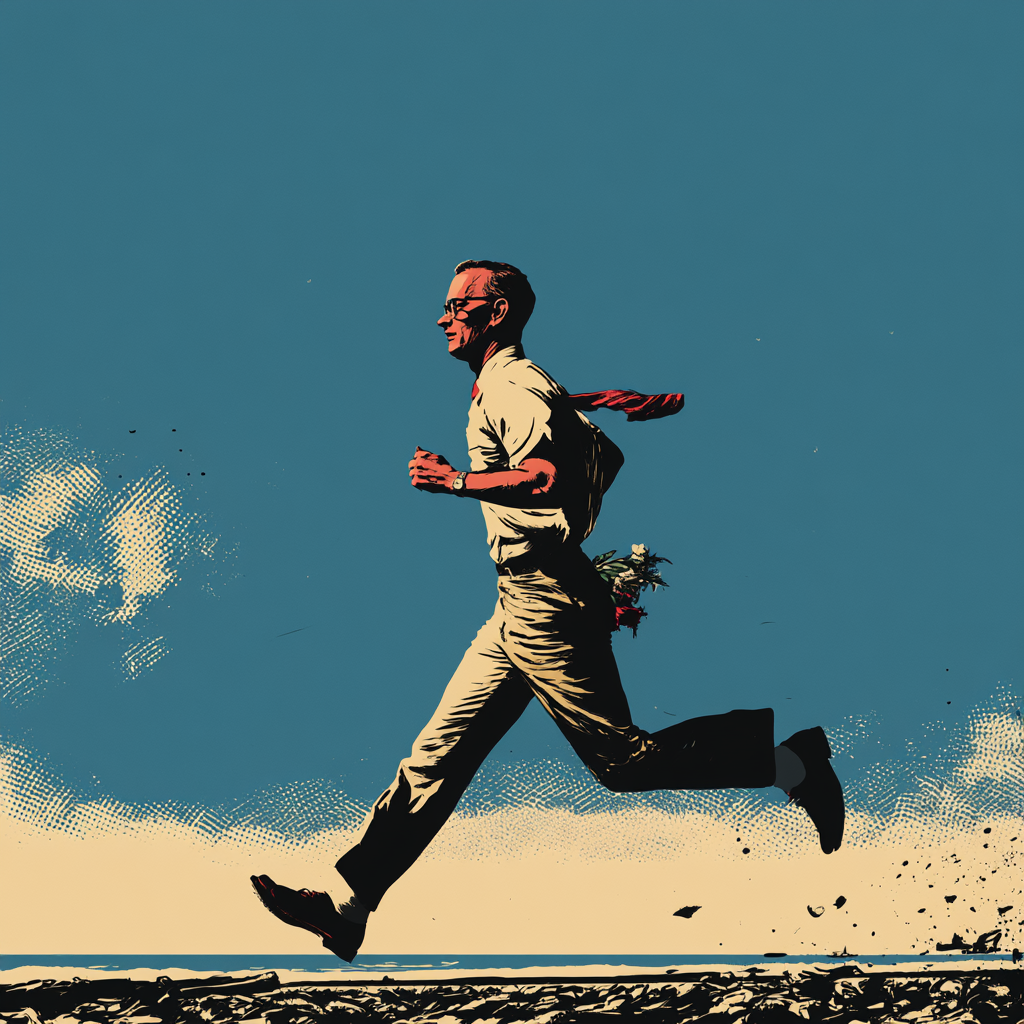
Want to make real progress on your invention without burning out, blowing the budget, or trying to do everything alone? Noah and Steven explore four healthy habits for inventors and entrepreneurs: deliberately making time for creativity, structuring a productive routine, guarding your time and financial resources, and building a useful professional network. With lessons from Benjamin Franklin, Apollo 13, Six Degrees of Kevin Bacon, Samuel L. Jackson, and even prehistoric cave art, they show how better personal and business habits can help inventor entrepreneurs stay creative, focused, realistic, and connected while developing and launching a new product.
Core Topics for this episode:
- Inventor Strategy
- Invention Process
Key Takeaways Include:
Listen here:
Episode Blog
Healthy Personal and Business Habits for Inventors and Entrepreneurs
Inventors spend a lot of time thinking about products.
Mechanisms. Patents. Prototypes. Manufacturing. Marketing. Funding. Packaging. The factory that still hasn’t answered your email.
But the person developing the invention is part of the development system too.
If your habits are terrible, eventually your business gets to enjoy them with you.
In this episode of Product Genius, Noah McNeely and Steven Julian step away from mechanisms and manufacturing for a conversation about four habits that can help inventors and entrepreneurs stay creative, productive, financially grounded, and connected to the people who can help them succeed.
And because this is Product Genius, each habit comes with a cultural reference ranging from Genesis and Benjamin Franklin to Apollo 13, Samuel L. Jackson, and Kevin Bacon.
Take Time to Be Creative
The first habit sounds almost too obvious for inventors:
Be creative.
But there is an important distinction between doing creative work professionally and deliberately giving yourself a creative outlet.
An invention often begins as something fun.
You sketch.
Build something in the garage.
Come up with names.
Imagine possibilities.
Then the project grows up.
Now you are calling patent attorneys, reviewing quotes, chasing suppliers, filling out paperwork, answering emails, and making decisions about things that feel considerably less magical than the original idea.
The creative project becomes a job.
Noah argues that when this happens, it can be useful to deliberately step away and create something unrelated.
Garden.
Paint.
Cook.
Build something.
Make art with your kids.
Do landscaping.
Try a new recipe.
The specific activity matters less than engaging the part of your brain that creates.
Rest Is Not Always the Same as Creative Recharge
Sometimes you genuinely need to collapse on the couch and watch television.
No argument here.
But Noah and Steven make an interesting distinction between passive rest and active creative recharge.
Watching a show may help you relax.
Doing something creative may help you return to the invention with a different mental state.
Noah finds that when he steps away from product-development work and spends time on an unrelated creative activity, he often returns more efficient, more open-minded, and better able to solve problems.
Yes, you may “lose” four hours that could have been spent working.
But if the next several days become substantially more productive, those hours were not lost.
They were maintenance.
Structure a Routine
The second habit comes courtesy of Benjamin Franklin.
Franklin famously organized his days into structured blocks of activity and reflection.
The modern version is often called time blocking.
Assign a period of time to a specific type of work.
Protect it.
Finish—or at least meaningfully advance—that work before allowing every email, notification, voicemail, and random problem to redirect your attention.
For inventors, this can be particularly important because the invention is often not the full-time job.
It is the thing happening around the full-time job.
And the kids.
And the house.
And everything else.
If you have only six hours per week available for your invention, those six hours are valuable.
Treat them that way.
Make Your Invention Time Visible
If you live with a spouse, children, or other family members, protecting invention time may require communication.
Instead of disappearing into the garage and yelling “leave me alone!” when someone interrupts, agree on the time.
Saturday morning from eight to eleven.
Tuesday and Thursday evenings.
Two hours before everyone else wakes up.
Whatever works.
The goal is to turn “I’ll work on my invention when I get a chance” into actual scheduled behavior.
Because “when I get a chance” has an unfortunate habit of becoming never.
Ask What Good You Did Today
Franklin reportedly began his day by asking:
“What good shall I do this day?”
And ended it by asking:
“What good have I done today?”
For an entrepreneur, those questions can become a simple reflection habit.
What am I trying to accomplish today?
What did I actually accomplish?
That second question matters.
It helps you recognize progress.
It also exposes where time disappeared.
If you planned to spend two hours on your invention but instead binge-watched seven hours of 1980s Press Your Luck, the evening review may reveal an opportunity for improvement.
No whammies.
No whammies.
No whammies.
Take Stock of—and Guard—Your Resources
Habit number three gets an Apollo 13 analogy.
When the spacecraft suffered serious failures on the way to the moon, the astronauts and engineers could not simply order new equipment.
They had what they had.
Time.
Oxygen.
Power.
Materials aboard the spacecraft.
And, naturally, duct tape.
The survival problem required understanding exactly which resources remained and using them deliberately.
Inventors should do something similar—preferably without the exploding spacecraft.
Know what resources you actually have.
How much money can you responsibly invest?
How much time?
What skills?
What equipment?
What relationships?
What knowledge?
Then put guardrails around the scarce ones.
A Budget Boundary Is Not a Failure Boundary
Suppose you decide you can responsibly invest $20,000 in developing an invention.
That does not necessarily mean you must stop forever the moment the spreadsheet reaches $20,001.
It means that as you approach the boundary, you stop and reassess.
What have we learned?
What value has been created?
Are the assumptions stronger now than when we started?
Does the opportunity still justify additional investment?
Should we continue?
Should we change direction?
Should we stop?
The dangerous approach is not crossing a budget threshold.
The dangerous approach is crossing it without noticing.
Inventors can become emotionally committed to their projects and keep spending because the next expenditure always feels like the one that will finally get them there.
Guardrails create moments where enthusiasm has to sit down with evidence.
Have a Realistic Idea of What Success Costs
Resource planning also requires realistic expectations.
If you have $300 available and believe that will take a physical consumer product from idea through engineering, prototyping, manufacturing, packaging, inventory, and launch, the budget is not a guardrail.
It is a fantasy.
Research what the journey is likely to require.
Talk with experienced people.
Understand prototype costs.
Understand manufacturing minimums.
Understand tooling.
Understand marketing.
Understand that product development is only part of commercialization.
You do not need perfect numbers on day one.
But you need enough reality to avoid walking into a project with assumptions that make success impossible.
Network, Network, Network
The fourth habit is networking.
Inventors rarely reach the market completely alone.
You may need:
Designers.
Engineers.
Patent professionals.
Prototype shops.
Manufacturers.
Marketing specialists.
Retail contacts.
Salespeople.
Investors.
Advisors.
Or simply a person you trust enough to ask:
“Am I about to do something stupid?”
Your network does not have to become a formal team.
But relationships give you access to knowledge and people you do not personally possess.
Find Your Samuel L. Jackson
Noah uses Six Degrees of Kevin Bacon to explain a particularly useful networking strategy.
In the game, you connect actors through movies until you reach Kevin Bacon.
Some actors become incredibly useful connectors because they have worked across many genres and with huge numbers of people.
Noah’s favorite example is Samuel L. Jackson.
Star Wars.
Marvel.
Jurassic Park.
Pulp Fiction.
He connects to everybody.
Business networks have Samuel L. Jacksons too.
These are the people who seem to know everyone.
Need a packaging specialist?
They know somebody.
Need help getting a UPC code?
They know somebody.
Need a prototype shop?
They know somebody.
Need a patent attorney?
Yep.
Instead of trying to personally build a direct relationship with every specialist you may ever need, identify a few trustworthy connectors.
A good connector can multiply the size of your effective network dramatically.
Give People Something to Remember
Networking becomes much more powerful when people remember what you are doing.
If someone asks what you do and you simply say:
“I’m an accountant.”
They may remember.
Maybe.
But if you say:
“I’m an accountant, and I’m also developing a new product for wheelchair users,”
that second part creates a hook.
Now the person may think:
“Oh—you should meet Noah. He helps inventors develop products.”
Your invention is unusual.
Use that.
You do not have to pitch everyone you meet.
But giving people a clear, memorable understanding of what you are working on makes it easier for them to connect you with useful people later.
Online Networking Counts—But Relationships Matter More
LinkedIn and other online platforms can be useful, particularly when you need to reach beyond your existing circle.
But collecting connections is not the same thing as building relationships.
Noah warns against treating a giant LinkedIn network as a substitute for actually knowing people.
Talk.
Email.
Meet.
Help people.
Ask questions.
Stay in touch.
The real value of networking appears when someone is willing to answer your call and say:
“Yeah, I know exactly who you should talk to.”
Four Habits That Reinforce Each Other
Steven points out something near the end of the episode: the four habits actually reinforce one another.
Creativity helps you see possibilities.
Routine gives creativity somewhere to become productive.
Resource discipline keeps the project grounded in reality.
Networking gives you access to capabilities and knowledge beyond your own.
None of these habits guarantees success.
But together, they create a healthier environment for invention and entrepreneurship.
And that matters because developing a product is not usually a sprint.
It can take months.
Sometimes years.
The habits you build around the project determine whether you can keep moving when the initial excitement wears off.
The Product Genius Take
You do not need January 1 to improve the way you work.
Start whenever you notice the need.
Schedule time to create something just because creating feels good.
Protect focused time for your invention.
Regularly ask what you intended to accomplish—and what you actually accomplished.
Know your financial and time resources and create guardrails before enthusiasm spends them for you.
And build relationships with people who can help you navigate the parts of entrepreneurship you do not know yet.
Your invention needs good engineering.
It needs a market.
It needs a business model.
But it also needs an inventor who can stay creative, focused, realistic, and connected long enough to bring it into the world.
And if you can somehow connect Genesis, Benjamin Franklin, Apollo 13, Samuel L. Jackson, and Kevin Bacon along the way?
Apparently Steven has a Starbucks gift card waiting for you.
Or, read the full transcript here:
Steven Julian
Dear Diary, well, today it finally happened. After years of asking both Tiffany and Noah if we could do a show on goal setting in the new year, Noah finally agreed. Well, it's not goal setting. It's about good habits for inventors and entrepreneurs. But close enough. Next on Product Genius. Do you want to be a successful inventor entrepreneur? Struggling to get your product from idea to market? Well, you've come to the right place. Welcome to Product Genius, the down-to-earth podcast that explores important topics about inventing and launching new products. Noah McNeely is your trusted guide.
With more than 20 years of product launch experience, he's here to help you on your journey to become a product genius. Let's get started. Here's your slightly annoying co-host, Steven Julian. Hey, that's my line, yes? It's your Slightly Annoying co-host, Steven Julian. Welcome to another fantastic, amazing, some might say best in the world episode of Product Genius. We are coming to you from not so deep inside the layer of Product Quickstart. Seated to my right at this wonderful table is the intrepid producer, Jody Smith. Seated across the table is the man you all came to hear. from.
You all want to sit at the feet and learn from one of the geniuses. He is Noah McNeely.
Noah McNeely
Well, hello. How are you doing?
Steven Julian
I'm doing better than I deserve. How are you?
Noah McNeely
That's fantastic. I'm doing great too. So it's fantastic to hear you're doing well.
Steven Julian
It's fantastic to be doing well. And I will say, I like the way you say hello. And now I'm going to make you self-conscious about it. It's going to bother you. But I just, I like when you go, hello. You just, you have this great. Tone to your hello.
Noah McNeely
So anyway, that'll be changing. Yeah.
Steven Julian
Hi, Ross from, hi. So, all right, Noah, I, man, tonight in my journal, Dear Diary. Today was the day that Noah finally let me do this episode on this certain topic, which came as a surprise to you. You forgot. I have brought this stuff. When you send out the now almost infamous email of, hey, here's what I'm thinking, or here's my topic. And at times you have said, hey, if you guys have any topics, let me know if you guys have anything you want to talk about. There's one that. I always come back to.
And that's like, hey, we're getting near the end of the year. Maybe we need to talk about goal setting. And you don't remember it this way, but in my mind, you're very kind about it. But it's like, yeah, we're not doing that. We're not doing goals.
Noah McNeely
Apparently, when you say it, I think it sounds like a bad idea. But when I say it, it sounds fantastic. Sounds great.
Steven Julian
Now you know how the boss-employee relationship works, right? I've got this great idea. So you sent out this email, you sent out notes, and you said, hey, here's what I'm thinking about for the topic. And if this episode had a title, Healthy Personal and Business Habits for Inventors and Entrepreneurs. So we're talking about healthy habits, right? And one of those main things is Coming up with goals, and that's a healthy habit, right? So we're kind of talking about some of the goals. I mean, let me just get out of your way.
What came out of your brain to send the notes that you sent me?
Noah McNeely
Well, first, no need to get out of my way, but by the time. this episode drops, I think we're going to be getting close to the end of the year. All the things they thought about doing last year and they never got around to. So people are setting goals. They're coming up with New Year's resolutions, like not stuttering when they speak, for example. That's a good one. They're coming up with new habits they want to start that are good and some old habits they want to get rid of that were bad.
Steven Julian
So to be fair. So here's how it works. I brought you, hey, we should do something about goal setting. We're technically not talking about goal setting. We're talking about healthy habits. You took, you basically changed the way we're presenting the topic and that's what makes it better. By the way, as a side note, Jody better be writing down a note that if this episode comes out in March of 2025, there's going to be trouble, right? So hopefully I know when we're recording this, but I have full, that's why he's the intrepid producer.
This is going to be released at right about the right time. But if you're listening to past episodes and it's. not in January, February when you're listening to this, well, fine. It still works.
Noah McNeely
Hopefully this drops sometime in December of 2024. Okay.
Steven Julian
December, not January. Well, okay. All right. Jody, make a note. December 2024. Okay. So you've got a few suggestions of good habits that people can adopt. And the other thing for longtime listeners of this show, I believe every single habit we talk about has a cultural reference.
Noah McNeely
Yeah, it does. Because I find that if I have some sort of analogy or cultural reference, then I can remember it better.
Steven Julian
That wasn't stuttering. That was more mumbling the word. So now we've got stuttering and mumbling. Oh, I did it.
Noah McNeely
Cultural. It's a very difficult word for me to pronounce.
Steven Julian
All right. What's the first habit we should be working on?
Noah McNeely
Okay, so the very first habit is take time to be creative. And believe it or not, this is something— Oh, take. Oh, you're writing it down. Okay, yeah.
Steven Julian
Because if you write it down, it helps you remember.
Noah McNeely
Absolutely. So believe it or not, this is something I even struggle with, despite what I do for a living. We'll come back to that. in a little bit. And our cultural reference here is from the Bible. But if you're not religious, you know, it kind of transcends, you know, human cultures that go back, you know, really to prehistory. So I'm going to pick a verse from the book of Genesis, and I'm going to paraphrase it here because I don't have a Bible in front of me.
Steven Julian
And of course, this is— I could quote it if you want.
Noah McNeely
That would be fantastic. But this, of course, is common in Christianity, Judaism, and Islam. But I think most world religions probably have some element of this. And again, even if you're a humanist and not religious at all, you'll see this in culture. My paraphrase is God created people in his own image. Do you want to give the exact...
Steven Julian
Well, God quoted as saying, let us make man in our image. Yes. I just was enjoying the... I was enjoying the...
Noah McNeely
The politically correct way.
Steven Julian
Yeah, all the disclosure. We're not trying to offend anybody.
Noah McNeely
This is not meant to be.
Steven Julian
We're not preaching. We're not proselytizing. Whatever. Everybody's got this version. Hey, take time to be creative and... The cultural. reference you refer to is where we both come from, which is in Christianity. It's shown in the Bible, let us make man in our own image. And what does he mean by that?
Noah McNeely
So in that one verse, that one sentence, I think we learn a lot about human beings in the sense that, one, God made us to be in some way like him in his image. And two, God creates things. You put those two things together and we were made with an inclination to create things. Correct. And I think, of course, like I said, it's cultural. I mean, it goes back to the earliest examples we have from prehistory, like the Lascaux Caves in France, where, you know, 17,000 years ago or so, they say that people were.
Men or women or whoever were drawing these pictures on walls, which are actually really cool art. If they were done today, you'd think, oh, that's some sort of, you know, kind of modern art or whatever, but they're really cool documenting stuff. they saw around them in a very creative way. And then you've got Gobleki Tepe in Turkey, which was discovered like fairly recently, like. 20 years ago. And there you've got all these carvings that are, again, kind of this, it's almost like a neo-modern kind of. Art aesthetic, but it was made 10,000 years ago, but it's all these carvings of animals and things on these pillars.
It's fantastic. So the point there is people have always created things. It's really an undercurrent of who we are, at least in my opinion. That's why I'm talking about this. So what does this have to do, you might be asking. Yeah, I just did.
Steven Julian
Go ahead.
Noah McNeely
You asked by waving the hand at me saying, hey. Get on with it, dude.
Steven Julian
Monty Python, get on with it. All right.
Noah McNeely
So what does this have to do with being a good habit for, a healthy habit for inventors and entrepreneurs? Okay. So if you go back to that time when you first came up with your idea, it was probably really fun for you. It was, it was. Kind of filling this need you had to, it was a creative outlet for you. So you were, depending on how it was, you were drawing it out, you're coming up with your logo, coming up with. your name, maybe making something in the garage. And that was a lot of fun.
And then as you went through your process, maybe that became more of a chore. Then it was like, oh, got to call the patent guy today. Oh, got to call the trademark office today. Oh, I got to pick up pens today. Whatever it is. It becomes less of a creative outlet over time and more of something that you have to do. So my advice, which I need to do a better job of following myself, is if you find yourself in that spot where this thing that was a creative outlet is no longer that for you, take a day off.
Take an afternoon. Take an hour. Whatever you can do and do something creative with that. Whatever that means to you. Maybe it's gardening. Maybe it's painting. Maybe it's... Cooking a cool recipe, whatever is a creative outlet for you. And I can't speak for everybody, but for myself, when I do that, when I take that step back and I work on something not related to the projects I'm working on at all, I find that when I come back. to them, I am much more efficient, much more, I have a much more open mind and can push them forward more effectively.
Even though I may have given up four hours that I could have been working on the project, Those next few days are so much more effective.
Steven Julian
I think it's also very important. I'd like to just add that I like your idea of kind of stepping back, unplugging, but don't just sit and do nothing. So it's really, you're finding a different outlet for that creativity. And then as that creativity grows in that outlet, when you come back to the project, it'll allow you possibly to just be refreshed if nothing else. But maybe the creative juices have flowed and then there may be something there that will help.
Noah McNeely
I think that's an excellent point I hadn't thought of because, yes, you could just unplug and watch TV.
Steven Julian
Notice that you're slightly annoying co-host who immediately thought, hey, I don't want to just unplug because maybe I struggle with just sitting and doing nothing.
Noah McNeely
This is a collaboration, so we're good here. Just unplugging and watching TV. Sometimes you need that, too. Don't hear me. wrong. I need that. Sometimes it's just time to watch whatever the latest episode dropped. That's not engaging your brain in quite the same way as doing something creative does. So I find that, yes, that helps me rest, and yes, I enjoy watching TV or playing a video game with my son or whatever it is, but I don't come back with my mind recharged in quite the same way as I do if I take a day and do some landscaping or take a day and do some art with my daughter.
You know, bake cookies with my family, whatever it is. that's that creative outlet.
Steven Julian
Or start writing the sequel to Secret of Nim. All right, moving on to the next habit. Can I give the...
Noah McNeely
Well, I did promise people I would say about why I struggle with this. So people might think, oh, you're creative all the time. It's your job, right? You're working on all these different projects. Same thing applies to me in the sense that I'll be working on this project and all my projects are super fun in a way, especially at the beginning. But they always, it's still a job. It's still something that has to be done and it can still become one of these things that I have to break away from for a short period of time.
Okay. So we all suffer from this, I think.
Steven Julian
I think so. Well, listen, anyone who says I never struggle with being creative might never be creative. That might be why they struggle with it. So, all right. So the second habit, can I give the title?
Noah McNeely
I wish you would.
Steven Julian
Oh, thank you. What do you mean by structure a routine?
Noah McNeely
So, let's start with the cultural reference here. Please. Oh, I said it right that time. I didn't even have to spread out the word.
Steven Julian
Your habits are beginning to, yeah.
Noah McNeely
So, a very famous inventor, and they called him a polymath because he was a statesman, a scientist, an inventor, an author, is Benjamin Franklin. And I don't know how much they teach it in school these days, but he was well known for building himself a daily routine. And throughout his life, he changed what that was, but he would organize his routine, his day. He would plan it out, like before day planners existed, in. these time blocks. So he would mark out, okay, this time of day, I'm going to be doing work on this.
This time of day, I'm going to be studying whatever it was. This time of day, I'm going to be doing proactive, there's another one of those words, proactive reflection on things. And by structuring things in time blocks, I think it's easier to not be distracted by all the little things because I'm guilty of this too. Everything on this list, I'm guilty of. I'm going to be honest.
Steven Julian
Which is why you did the episode.
Noah McNeely
I have to observe these habits myself. It's so easy to get... Distracted by an email comes in, you know, a voicemail is left and then you're, you were doing this, you know, I'm in the shop, I'm building this thing. I've got an hour left to go. I get that email 30 minutes in. It's like, okay, gotta go deal with that. That's the wrong way to do it. And I think these time block approaches is a better way to stay efficient.
Steven Julian
So when you talk about time blocks and, and I guess there's probably no true hard and fast. rule, but, but the. The cultural reference is really a cultural lesson from Benjamin Franklin. So by time block, what you're saying is this two hours is almost from 10 to 12 a.m This is almost sacred. that this is going to be when I'm accomplishing this one thing or this block of things that need to be done. And unless it's a fire or a drastic emergency. Anything that interrupts, I push to the side and will deal with during this time.
Noah McNeely
Yeah, no, if your 14-year-old son is bleeding, then yeah, you deal with that. But inventors, you know, most of us, most of the people that are inventors that I meet, you know, inventing or developing their invention, that's their side thing. They still have, they're busy most of the rest of the time living life. They've got a job, they're raising kids, they're whatever it is, and the invention thing is just the extra thing. So I think that. Actually makes this even more important. So maybe you say, I've only got six hours a week to spend on my invention.
Then make that time have a block for it. Make it sacred where you can, again, unless your kids are bleeding or whatever, and stick with that as best you can.
Steven Julian
And I think with that, this is one of those habits that if you're involved in a family, if you're a husband or a wife and you've got a spouse and kids, There may need to be discussion. Hey, I just want to ask, you know, Saturday nights from 8 p.m. to 11 p.m. or 3 to 5 in the afternoon. I really need that time. I need to value that time or sometime on Saturday. And depending on the family schedule, I'll do it early in the morning or whatever.
Noah McNeely
And that's much healthier than yelling at your kids.
Steven Julian
Leave me alone. Yeah. Get out of here.
Noah McNeely
It's also a little bit different than when mom and dad say you're not allowed to come into the house between eight and nine on Saturday night.
Steven Julian
See, not everybody can have a layer the way you do here at Product Quick Start, but they can create. So, hey, I'll make another biblical reference. There's the prayer closet. So you need to have your invention closet and go, hey, during this time, you need to please. leave me alone. Proactive reflection. Sometimes in that. And that proactive reflection is a little bit different of being creative. And I'm not trying to stretch the analogy too much, but I think proactive reflection is part of this daily habit as well, or part of this habit, a good habit.
Noah McNeely
I think it is too. And another thing Benjamin Franklin would do, which I think relates to this, supposedly, now maybe you just wrote this in a book and didn't actually do it, but he supposedly in the morning, he would ask, what good will I do today? Translate that into whatever you want. What am I going to do on my business today? What am I going to do today? And then at the end of the day, he would ask probably the more important question, what good have I done today? And this is relative to that proactive reflection because it helps you adjust your goals.
And so, oh, I set aside two hours for this. It really needs to be more. So I'm going to make that a goal over a couple of weeks. But it also helps you celebrate your successes and digest those successes. And that helps inspire you to move forward on to the next. Next thing.
Steven Julian
So are you saying if I get to the end of my day and I say, and I started the day by saying, what good will I do today? And I get to the end of the day and I say, what good did I accomplish today? And the answer to that question is, well, I binge watched Press Your Luck circa 1987 for seven hours. That's probably not a good, I didn't do much good that day, did I?
Noah McNeely
Probably not. I mean, you know, I don't know what your goal was that day, but.
Steven Julian
My goal is always no whammies.
Noah McNeely
Of course. So. Yes, that at the end of the day question might be a good time to reflect on, well, did I waste a lot of time today that I could have applied over here? And yeah, I was having fun just sitting on the couch watching Press Your Luck, but I'd probably be a little happier now if I had taken one of those hours and put toward drawing a logo or whatever.
Steven Julian
I tried to break him again, Jody, and he. is the unbreakable Noah McNeely.
Noah McNeely
Product Genius is brought to you by Opu Probiotics.
Steven Julian
Pre and probiotics you can pour directly on your tongue in delicious mint and mocha flavors. But the taste is just the beginning. With Opu, you can see improved digestive function, boosted immune system, easier weight management, improved mental health, and much more. Try today at GetOpu.com. That's GetOpu.com. So third habit that... People can, you know, again, good habits that we might want to adopt for our new year or for our invention and entrepreneurial journey. Take stock of, that was read incorrectly, take stock of and guard your resources.
Noah McNeely
Yeah.
Steven Julian
One of your favorite, your cultural reference here.
Noah McNeely
Yes. So you pointed out that I've already used this reference.
Steven Julian
I think you have. I think you have. I've not fact-checked myself. No, I think you've mentioned it.
Noah McNeely
It is possible that I'm getting to an age where I don't remember everything I've said.
Steven Julian
I know I am. In the past.
Noah McNeely
But the cultural reference here is Apollo 13. And that was one of the last moon missions. And just to be clear, I'm not old enough to remember it. People are not old enough. to remember it. Most people, you know, it was a long, long time ago. But they made a really cool movie of it. It had Tom Hanks in it, so it's a good movie. You should watch it.
Steven Julian
Ron Howard film.
Noah McNeely
Yeah, Ron Howard film. And the story is, you know, they were on the way to the moon and they had these failures, these equipment failures. I guess they were venting atmosphere into the space and, you know, all sorts of things that really they could have died easily enough. So they had to do a couple of things. One, they had to conserve what resources they had so they'd get back to Earth safely. And they had to take stock of what all they had on board that ship. Now, in their case, they had the people back at NASA helping them.
It's like, I'll go through the manifest. Oh, they've got a roll of duct tape. They've got this, they've got that. And the people back at NASA were helping them, you know, put that all together. But hopefully in your life, you're not on a spaceship about. It's about to die. So you may not need. NASA's help, but take stock of what you have resource-wise and guard those resources very carefully. So that could be resources of your time. It could be resources of your finances, whatever it is. And I would suggest build boundaries or develop boundaries around that.
It's like, okay, I've got this much money to invest in this. And don't just let yourself cross that boundary haphazardly or without thinking about it. If you get close to that boundary, take a step back and reevaluate. Okay, have I really gotten the value out of this? And is this going somewhere? Should I reset that boundary and keep moving forward? It's so easy. And I've seen people do this to just keep throwing money at something without, you know, like back on the Benjamin Franklin thing, without asking, what good has this done to this point?
Steven Julian
Is this one of those steps, and I don't say this would be true all the time, but I wonder if when we're in this step and we're taking stock of what we have in our resources and guarding those things, that guarding, it might require having a conversation with someone else in your life. Here. again, and maybe it's not a spouse, maybe it's someone who knows your project, who knows you've talked about it, and just kind of go, hey. I need to talk to somebody else to make sure I'm not wasting my time or resources.
I mean, this is kind of one of the things you do is help people with this.
Noah McNeely
Yeah, so guarding your resources is also having, as best you can, a realistic expectation of what resources it may ultimately take to get to your destination or to your goal. So if you're sitting around like, I've got $300 to throw at this, and surely I can get a product on the market for that. Yeah. Guess what? You're going to be out $300. And that's what that is. But you can talk to people like me or you can do research, ask ChatGPT. I don't know if you'll get a straight answer or not, but you can do some research to at least understand, okay, what does it really take to make a prototype?
What does it really take to manufacture a product? Or what does it really take to, if you're just another type of entrepreneur, what? does it really take to get a business started?
Steven Julian
So if for no other reason, and again, the... We laugh a little about this topic is, hey, we're getting near the end of the year and we're talking about habits and we're talking about goals. At least once a year, maybe, is a good reference point of we should take stock of and setting up guardrails and specific boundaries. So if it's been a while since you've looked at the business plan, if it's been a while since you've... Kind of sat down with somebody and talked through your project. This is one of those things of taking stock.
Because to your cultural reference, it wasn't one engineer in that room. It wasn't one, hey, Billy, go work on this and let us know what you find. They put all the engineers in the room. They threw everything on the table. They said, you know, we got to make this fit into one of these using nothing but this. All right. And I love the first comment. And that was like, all right, let's see what we got. Catalog it. You know, that was immediately they took stock of what. they had. So I like it.
Before, so you started with the reference, I ended with the reference, which means it was a good reference. That is definitely one you can come back to.
Noah McNeely
We'll do a whole episode on it in the future. Maybe.
Steven Julian
Maybe in the episode where we talk about screws. The fourth.
Noah McNeely
I wonder how many screws they had on the pilot.
Steven Julian
Oh, I know I saw them floating in space when the big thing came off and all the way up to the heat shield. All right. Habit number four. Network, network, network. Yes. And we're not talking about the film from the 70s.
Noah McNeely
And we're also not talking about picking your favorite TV station.
Steven Julian
That is true.
Noah McNeely
So.
Steven Julian
Do they have TV stations?
Noah McNeely
Oh, I don't know. It's all content providers. I just aged myself terribly then. What's a TV station, Mom?
Steven Julian
They're all content providers.
Noah McNeely
All right, go ahead. So most likely for you to get across the finish line with whatever business you're trying to launch, especially Inventions, but really all sorts of businesses. It's going to take more than just you to succeed. It's going to take a village to use. a very overused phrase I don't really care for. It's going to take a village, not a village idiot, but a village.
Steven Julian
What about village people?
Noah McNeely
For certain products, perhaps. Yes. It's going to take a village to get your product to success. Yes. Maybe that doesn't mean people that officially join your team. It could be advisors. It could be people that you hire to do one little thing. It could be someone that's like. You can call up and they'll be honest with you and say, what are you, stupid? Don't spend money on that. That's not how I talk typically.
Steven Julian
No, no, not at all.
Noah McNeely
I have a much better bedside manner. It's more along the lines of, what, are you stupid? No, I'm kidding. So the cultural reference here is a game that some people, most people may have heard of. that's kind of fun to play on long road trips. And that is Six Degrees of Kevin Bacon. Now, when we play that with my kids, they don't. Really remember who Kevin Bacon is, except that he showed up in the Guardians of the Galaxy Christmas special. That's their entire reference to him. So whenever. we play it and we try to use Kevin Bacon, they have to tie everything to Guardians of the Galaxy in the MCU.
Steven Julian
You have a clear advantage in that game.
Noah McNeely
Clearly. Which is why I like to play it. Exactly. So one of the things you'll find if you do play this game. You go through it enough times. And you don't always have to use Kevin Bacon. You just pick two celebrities and you try to connect them. It's like, oh, well, so-and-so was in this movie and they were in this movie with over here. Look it up on the internet if you don't know how to play. But you often find there's one person that keeps showing up in the middle because that person connects a lot of people.
Steven Julian
Just like Kevin Bacon does. They've been in a lot of movies.
Noah McNeely
Again, if you're playing with younger kids, they don't know Kevin Bacon maybe. Kevin Bacon, if you're listening, we love you. My kids haven't seen a lot of movies that you're in.
Steven Julian
Is Footloose still the greatest movie of all time? It never was.
Noah McNeely
So the person I use as sort of the big connector, the actor I like to use is Samuel L. Jackson because he's been in so many different Like he was in Star Wars, of course, in the MCU, in Jurassic Park. I mean, everyone, you know, Pulp Fiction, probably some people have seen that. So the message there is as you network, you don't necessarily have to find everybody. If you find one or two of those Samuel L. Jacksons. They can find everybody for you, or they already know everybody you need to know.
So you find those two people that are like, hey, I know a bunch of people. You call that person and say, hey, do you know somebody that can help me figure out how to find a UPC code for my product? Oh, yeah. Call Fred. Call Frank at Frank's Cheese Hammers. He'll help you. There are some people that just naturally know a lot of people. And as you network, try to find those people first. I myself am kind of a natural introvert. I've overcome that. I'm a recovering introvert. So that has been a big part of how I have networked over the years, especially early in my career when I was. more introverted, you know, as engineers tend to be when they leave school because they've been, had it beaten into them.
Just, you know, keep your head down and don't say anything. That's how I succeeded early in my career was finding those people that knew everybody.
Steven Julian
And I think there's, so I'm going to, I would not have survived in that industry without being able to network. Networking is huge in sales. It's huge in building your business. And some people would say I'm probably a natural extrovert. That's why I'm slightly annoying. But I would say network Networking can be done. There's two main things to develop this habit. Number one, you may have to step out of your comfort zone and find a specific thing to go network at. I'm going to join the chamber. I'm going to join this online group.
I'm going to find something of. I could benefit from getting to know people who are going to be in this room or going to be in this online group or whatever. That's number one. But I think secondly, as far as a habit goes, pay attention. Pay attention to who you're meeting, who you're. around as you just go through life. Now, I'm not going to say the super salesy line of write down every single person you've come in contact with and call them and try and sell them something. It's more of as I'm going through life, just find the right opportunity and just be aware of somebody saying something that you go, oh, they have. that might be something that I want to talk to them more about.
Noah McNeely
Yeah. And a couple of things about that or a couple of things to respond there. One, find the thing about you that they're going to remember. So, you know, if somebody meets you and they're like, what do you do? And it's like, well, I'm an accountant. Well, okay, that's great. I'm an accountant, but I'm also working on this invention for, you know, people in wheelchairs. That's what they're going to remember. So then they may know somebody, oh, you should talk to. Noah, he helps people come up with a mention. So I've actually had people reach me that way.
So find that thing that's interesting, that's really unique. The thing that you would need help with, if you can. find a way to work that into your networking, that may help create that connection for you. The other thing is be careful about the online networking. They're good. Right.
Steven Julian
As with most things online.
Noah McNeely
Right. Exactly. So LinkedIn, yes, you can find people there. And that's maybe a way to find someone that's so far outside of your network. It's not as powerful as talking to someone. And it's not as powerful as actually communicating with people, at least personally via email or whatever. So just don't take the lazy, easy way out and just say, oh, I built a LinkedIn network. I can find people that way. Yeah, maybe. Start building those relationships, even if it's just by email and then see where it goes.
Steven Julian
You know what you accomplished in this show, Noah? No. Would you like to know? I would. So first of all, you took some time to be creative because you sat aside and you stepped away from a project probably and you kind of wrote out some notes and thought creatively about this. And then you structured those notes. You've gotten into a routine of sending an email, and so you stuck with. that routine. Now, these notes are different from other notes you've sent me, but you had developed a routine, and out of the creativity, you kind of did that.
I don't necessarily have a good one for taking stock. Well, you took stock of Jody. Jody is a resource as an intrepid producer, and you allowed the slightly annoying co-host into your lair and said, okay, here we go. And you're like, we got a certain amount of time. We got to get this done. And you can only have one cup of coffee while you're in here. Actually, you are free-flowing with the resources. you allow us to drink your Dr. Pepper zeros and drink your coffee. And then this show came out of a network.
Yes. You met Tiffany. Yeah. And Tiffany invited you on. You came on. You liked it so much. You said, I'm going to do a bloodless coup and take over the show for him. And while Tiffany's building Opu, you have built, you have continued to build Product Genius into the juggernaut that it is and getting connected with people. So you did your own habits, sir.
Noah McNeely
I thought you were going to. say, and somehow you managed to connect Genesis, Benjamin Franklin, Apollo 13, and Samuel L. Jackson.
Steven Julian
Man. Wow. And Kevin Bacon.
Noah McNeely
And Kevin Bacon.
Steven Julian
All I will do is I, so all I, I guess as far as I went with that is I love quoting Jim Gaffigan. You can't tell me the success of Kevin Bacon is not tied to his name. Who's in that movie? Kevin Bacon? Sounds good. That's in the middle of his classic Bacon bit.
Noah McNeely
If he were Kevin Spinach, it wouldn't be quite the same.
Steven Julian
Kevin, you're not going to see a Kevin Hot Dog movie. By the way, so yours is Samuel L. Jackson in MCU because how does Samuel L. Jackson – oh, because Samuel L. Jackson was in the Guardians of the Galaxy Christmas. Is that how he connects to Kevin Bacon?
Noah McNeely
No, no, Kevin Bacon was in Guardians of the Galaxy, but he was in the MCU as – So how did he connect with Samuel L.
Steven Julian
Jackson?
Noah McNeely
Well, not directly, but like there's just one maybe. Was he in the original Guardians? Samuel L. – okay, Samuel L. Jackson.
Steven Julian
Yeah.
Noah McNeely
Iron Man, Tony Stark, Tony Stark met the Guardians. Yeah, okay.
Steven Julian
And we played that 20 years ago, 25 years ago, 30 years ago, 25 years ago. And a couple of my favorites was A River Runs, it was called The River Wild or A River Runs Through It. Meryl Streep was in that. Somebody else.
Noah McNeely
But yeah, you're right.
Steven Julian
Okay. I think it was a River Wild and Kevin Bacon was the bad guy in that movie. So there was that one. And then the other one is he had a bit part in Animal House. So you can connect him to anybody through Saturday Night Live, right? So it was like, can you do it through TV shows as well as movies? So we had, my wife and I had developed a bunch of them and yeah, we used to play that game all the time. So anyway. I decided to go with the serious thing for once.
Noah McNeely
I always have bad comedy to add if you go serious. You go high, I go low.
Steven Julian
Turn it back to political. I want to allow our listeners, if you would like to connect the Book of Genesis and Benjamin Franklin and Samuel L. Jackson and Apollo 13, then. all you got to do is you can go to productquickstart.com. And on the Contact Us form, instead of contacting Noah about a new product you're working on, go ahead and give those four references and how you would connect them all. And I'll throw in a $10 Starbucks gift card to the best one that gets sent in.
Noah McNeely
Before we go, I owe someone a shout out. So they're not an official sponsor, but they went way above and beyond. And these are for me today to actually save me a massive amount of time right before we started this. This show. And we may actually do a Flash or Genius on this as well. So we'll see.
Steven Julian
There's a tease of a tease.
Noah McNeely
But they've been on the show before. Michael and Allison from Z Labs 3D. We had, I had some parts I was using them to print and schedule got all screwed up with something I need to send out. And they drove the parts all the way here to me, like a 35 minute drive from where they're at. I just want to give them a shout out and thank them for their unofficial sponsorship.
Steven Julian
So if you need 3D printing, Z-Labs is where you need to go. Yes, absolutely.
Noah McNeely
Highly recommended. I do a lot of stuff with them.
Steven Julian
You were not paid to give that shout out, but in a way. I was paid in kindness. In value. Yeah. And over delivery of their work. So shout out to Z-Labs. Also shout out, I mentioned it to Tiffany Crumman's Opu Probiotics. You probably have heard their. Commercial's on our episode, so we always want to say hi to her and don't know what her healthy habits are going for the new year, but it probably involves OPU.
Noah McNeely
If you ever use the bathroom, you need to buy their product.
Steven Julian
You need to buy OPU, yes, absolutely, because that'll improve it. A better habit. Okay, we better stop before I go down that road.
Noah McNeely
We don't want that cease and desist letter.
Steven Julian
Yeah, no, no, definitely do not want that. So, Noah, remind me. Just want to remind everybody, go to productquickstart.com. Noah can help you with your product. Go to Z-Labs. They can help you with your 3D printing. We already talked about Tiffany. If you want to podcast, you need to go. to jodysmith.com because he helps people podcast. And me, I'm an independent financial advisor, and that's about all I can say, except to say we will catch you next time if we're not watching Kevin Bacon or Samuel L. Jackson movies on Product Genius.