
Product Genius, the Podcast for Inventors, Entrepreneurs, and Startups
Honest advice for inventors—with obscure cultural references included at no extra charge.
Episode
231
Bad Design with Maggie Weber of Refashioned Hippie
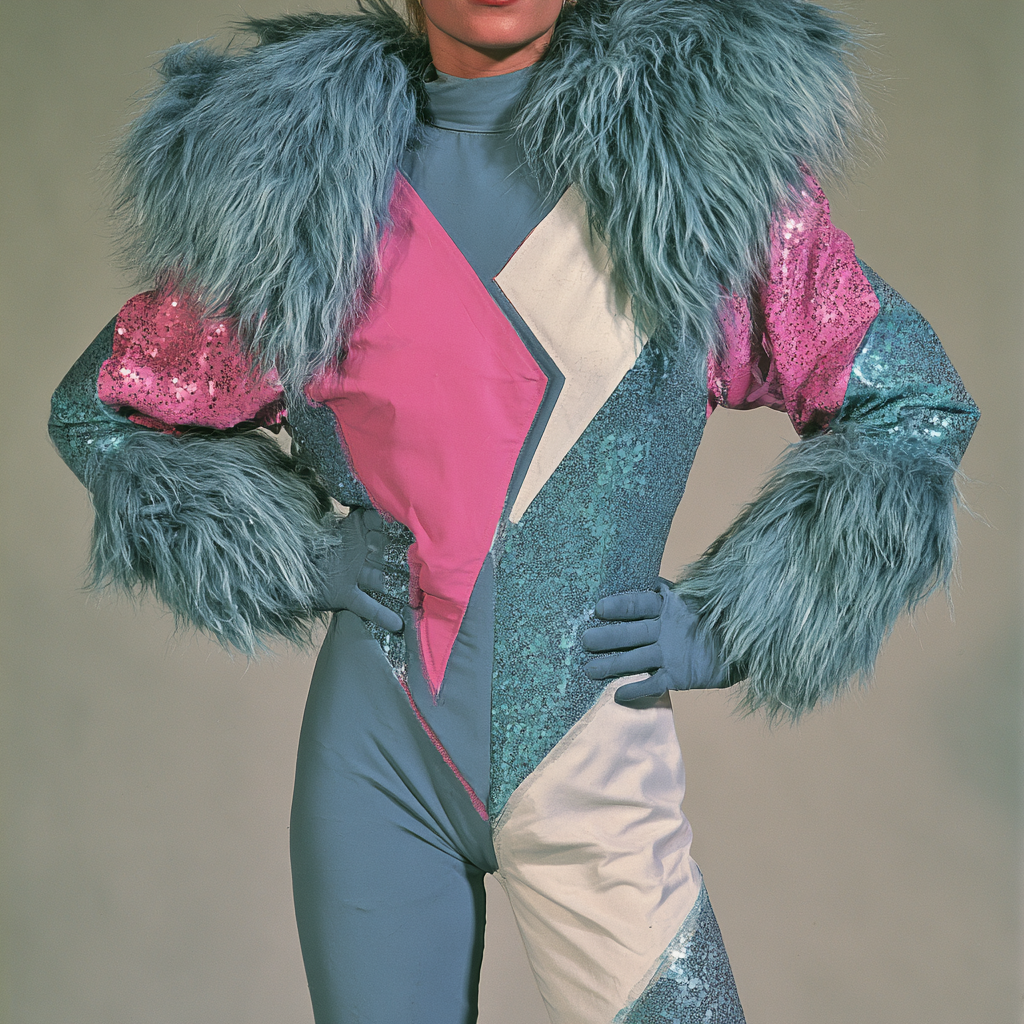
What can inventors learn from accidentally obscene logos, confusing signs, questionable product shapes, and a creator whose inbox has become a museum of design disasters? Quite a lot, actually. Noah and Steven welcome Maggie Weber of Refashioned Hippie for a hilarious—and occasionally PG-13—look at bad product design, branding mistakes, customer perception, and why inventors need people who will tell them what they actually see. From the Shake Weight to inconsistent branding, Maggie, Noah, and Steven explore how outside feedback, authenticity, and a willingness to correct mistakes can help entrepreneurs develop products people remember for the right reasons.
Core Topics for this episode:
- Marketing
- Inventor Strategy
Key Takeaways Include:
Listen here:
Episode Blog
Bad Design Is Funny—Until It’s Your Product
Some bad designs fail quietly.
Others accidentally look obscene, turn an innocent church sign into a double entendre, or cost the London Olympics a pile of money only to become famous for something the designers definitely did not intend.
Those are more fun.
In this episode of Product Genius, Noah McNeely and Steven Julian sit down with Maggie Weber, the creator behind Refashioned Hippie, whose wildly entertaining “Bad Designs” content finds humor in logos, signs, products, fashion, packaging, and other creative decisions that somehow made it through every checkpoint and into the real world.
The episode is hilarious—and deliberately a little PG-13—but underneath the jokes is a surprisingly useful collection of lessons for inventors and entrepreneurs.
Bad design is rarely just about aesthetics.
It is often about perspective, feedback, branding, assumptions, and the dangerous belief that because you understand what you meant, everyone else will too.
Once You See It, You Can’t Unsee It
One of the recurring themes in Maggie’s Bad Designs series is accidental visual communication.
A designer creates a logo.
A business orders a sign.
A church prints a message.
A government agency develops a symbol.
Everyone involved knows what it is supposed to mean.
Then the public sees something completely different.
Sometimes very, very different.
Noah explains that industrial designers develop a kind of internal alarm for this. At some point in design school or professional practice, you realize that innocent shapes can accidentally resemble anatomy, gestures, symbols, or cultural references you absolutely did not intend.
After that, you start checking.
Does this shape look like something else?
Does this font turn one word into another?
Does the arrangement of these graphics create an unintended image?
Could someone unfamiliar with our intention interpret this differently?
It sounds silly until thousands of products have been manufactured, the billboard has been installed, or your logo is all over the internet.
Then it becomes expensive.
Ask a 13-Year-Old Boy
Maggie offers perhaps the funniest—and most practical—design review technique ever discussed on Product Genius:
Ask a 13-year-old boy.
If he starts giggling or refuses to make eye contact, you may want to reconsider the design.
The joke contains a serious product-development principle.
You need people who will look at your work differently than you do.
Design teams become familiar with their own creations. Once you have stared at the same logo, CAD model, package, or marketing message for weeks, your brain stops seeing it objectively.
An outsider does not have that baggage.
They see what is actually there.
That is why product development needs review from people with different perspectives, backgrounds, ages, experiences, and senses of humor.
You are not asking them to design the product for you.
You are asking them to notice what you have stopped noticing.
Create an Environment Where People Can Tell You the Truth
Feedback only works if people feel safe giving it.
Maggie points out that employees, coworkers, friends, or committee members may notice a problem and still keep quiet because they do not feel comfortable saying:
“Um…you know what that looks like, right?”
That is especially likely when the person responsible for the design is also the boss.
Inventors can create the same problem.
When an inventor is emotionally attached to an idea, everyone around them learns very quickly whether criticism is welcome.
If every suggestion is met with an explanation of why the inventor is right, people eventually stop offering suggestions.
That is dangerous.
You want the person who notices the embarrassing interpretation.
You want the engineer who says the mechanism is unnecessarily complicated.
You want the customer who does not understand the packaging.
You want the teenager who starts laughing at the logo.
Constructive criticism is a product-development asset.
Make it easy for people to give it to you.
Don’t Defend a Mistake Just Because You Paid for It
Another great lesson from the episode is painfully familiar to anyone who develops products.
Sometimes you make a decision.
You believe in it.
You spend money on it.
Then evidence starts accumulating that it was a bad decision.
At that point, you have two choices.
Correct it.
Or become increasingly committed to defending it because admitting the mistake feels worse than continuing it.
Inventors do this all the time.
They keep a bad feature because they already paid to prototype it.
They keep an awkward mechanism because it was part of the original concept.
They keep a confusing product name because the domain has already been purchased.
They keep a terrible logo because the artwork is finished.
Money already spent is gone either way.
The useful question is:
Knowing what we know now, is this still the best direction?
If the answer is no, continuing the mistake does not recover the investment.
It simply makes the mistake more expensive.
Sometimes Bad Design Accidentally Works
Then there is the Shake Weight.
Noah brings it up as a fascinating example because the product became famous partly for an unintended—or at least extraordinarily suggestive—visual characteristic.
Its shape and motion made it comedy gold.
And millions were sold.
That creates an interesting distinction.
Memorable is not always the same as good.
But memorable can be commercially powerful.
Some businesses intentionally use provocative names or jokes because they know people will talk about them. Maggie mentions businesses whose names clearly lean into the double entendre.
That is branding.
The danger comes when you create the same effect accidentally.
If provocative humor fits your brand and your audience, it may work brilliantly.
If you are designing a medical device, children’s product, financial service, church sign, or government warning symbol, perhaps less so.
Know what you are communicating—and know whether you mean to communicate it.
Your Brand Should Be Easy to Find
Maggie also shares a branding mistake that has nothing to do with questionable anatomy.
Consistency.
She built Refashioned Hippie across multiple platforms but did not initially use the same branding everywhere. She even launched a virtual thrift store under a different name.
The result was predictable.
People who knew her as Refashioned Hippie searched for Refashioned Hippie.
And they could not find the store.
That is a straightforward lesson for product entrepreneurs.
Before you scatter names across websites, social channels, marketplaces, packaging, and products, think about the system.
Can someone who encounters you in one place easily find you somewhere else?
Are your names spelled consistently?
Are your handles recognizable?
Does your product name connect clearly to your company or brand?
Clever names are not very useful if customers cannot remember where to find you.
You May Be the Best Part of Your Brand
One of Maggie’s biggest breakthroughs happened when she stopped hiding behind memes and began showing her face and using her own voice.
People connected with her.
Her story mattered.
Her personality mattered.
Her humor mattered.
Noah points out how relevant that is for inventors.
Small companies sometimes try very hard to look like giant corporations.
They write in an impersonal voice.
They hide the founder.
They use “we” when the company is really one person at a kitchen table.
But being small can be an advantage.
Customers often enjoy knowing who created the product.
Why did you invent it?
What problem did you experience?
What did you struggle with?
Why do you care?
A founder story can create a connection a giant faceless corporation cannot easily reproduce.
You do not need to pretend your startup is Procter & Gamble.
Sometimes the fact that it is you is exactly why someone wants to buy.
Authenticity Is Hard to Manufacture
Maggie’s success also illustrates something difficult to engineer deliberately.
Her funniest content works because she genuinely finds the material funny.
She laughs.
She occasionally loses it.
Her audience feels like they are laughing with her rather than watching someone execute a carefully optimized “humor strategy.”
That authenticity matters in product marketing too.
Customers have become very good at detecting brands that are trying too hard to manufacture personality.
You can develop a voice.
You can create brand guidelines.
You can plan content.
But personality works best when it grows out of something real.
If you are quirky, be quirky.
If you are technical, let people see the expertise.
If your invention came from a ridiculous problem in your own life, tell that story.
Your brand does not need to sound like everyone else.
In fact, it probably should not.
Community Can Become Bigger Than the Product
Maggie’s audience began around clothing, absurd fashion, and funny design mistakes.
But it grew into something larger.
Her followers send material, join conversations, support small businesses, contribute to charitable causes, and participate in a community.
She describes campaigns where her audience collectively helped fund meaningful charitable needs.
That is a powerful reminder for entrepreneurs.
The strongest brands do not merely collect customers.
They create belonging.
People begin interacting with each other, not only with the company.
For an inventor launching a new product, that may start very small.
A group of early adopters.
A Facebook community.
A Discord server.
A newsletter people actually reply to.
Customers sharing their own uses for the product.
The specific platform matters less than the relationship.
Build something people want to participate in.
Bad Design Is Usually a Feedback Problem
The funniest examples in this episode seem unbelievable.
How did nobody notice?
How did that get approved?
How many people looked at that before someone paid to manufacture it?
But that is precisely the lesson.
Bad design does not necessarily mean stupid people were involved.
Smart people develop blind spots.
Committees develop groupthink.
Founders become emotionally invested.
Employees hesitate to challenge the boss.
Designers become too familiar with their work.
And sometimes everyone simply misses the obvious.
The cure is not perfection.
The cure is review.
Show the product to people.
Ask what they see.
Listen when someone is confused.
Invite uncomfortable feedback.
Test names and graphics before investing heavily in them.
And occasionally hand the design to someone with the maturity level of a middle-school boy.
For quality control purposes, obviously.
The Product Genius Take
Good product design is not just about making something functional, attractive, or manufacturable.
It is about understanding how real human beings will experience it.
And real human beings bring culture, humor, expectations, biases, slang, dirty minds, past experiences, and perspectives you may not share.
That is why outside feedback matters.
So before you approve the logo, order 20,000 packages, cut the injection mold, print the billboard, or launch the website, show it to people who will tell you what they actually see.
Build a culture where criticism is welcome.
Keep your branding consistent.
Do not keep a mistake merely because you already paid for it.
Let your personality become part of the business when it makes sense.
And if your new product has an unfortunately suggestive shape?
Maybe ask a 13-year-old before you hit “manufacture.”
Or, read the full transcript here:
Steven Julian
Hello, and welcome to another edition of Product Genius. Yeah, it's the most offensive and definitely the funniest episode of Product Genius. Up next.
Maggie Weber
Do you want to be a successful inventor entrepreneur? Struggling to get your product from idea to market? Well, you've come to the right place. Welcome to Product Genius, the down-to-earth podcast that explores important topics about inventing and launching new products. Noah McNeely is your trusted guide. With more than 20 years of product launch experience, he's here to help you on your journey to become a product genius. Let's get started. Here's your slightly annoying co-host, Steven Julian.
Noah McNeely
Hey, that's my line.
Steven Julian
Yes, it's another wonderful, hopefully award-winning edition, very different edition, but still entertaining and still valuable. And we're glad you're here of... Product Genius. I'm your Slightly Annoying co-host, Steven Julian. Sitting next to me is the intrepid producer, Jody Smith. And across the table, it is he who lets us use his lair and joins me at the table to talk about all things genius of products. It's Noah McNeely.
Noah McNeely
Well, good morning, good afternoon, good evening, whatever it is where you are.
Steven Julian
Yes, it is one of those things wherever. anyone is listening.
Noah McNeely
Yes, undeniably. So I'm really excited about today's show and our guests today. And we do need to caution the audience. This might be a PG-13 kind of episode. Do I get to do the disclaimer up front?
Steven Julian
Please. If you are not a fan of humor, if you don't like double entendre, if you get easily offended, you may want to just... Be prepared. And then when you get triggered, just don't email us because we kind of warned you up front. We're going to have a lot of fun and we're going to talk about bad designs today. And so we're going to have fun with it because we have a guest that we are just thrilled. And so for the first time in the history of this show. This is a guest I found, and I found this guest going through, I think I first saw it either on Facebook Reels or on YouTube Shorts, and it's literally titled Bad Designs.
Maggie Weber is a... She has her own YouTube channel called Refashioned Hippie. She also is on TikTok, Instagram, and she is a content creator. She loves to point out the absurdity of. stupid rich people fashion and the prices that they charge. She's also an online clothing reseller, author, and most importantly, a stay-at-home mom. And she is here on Product Genius to talk about one of her main shows, and we'll branch off from that, called Bad Designs. Maggie, welcome to the studio.
Maggie Weber
Thank you. I'm really excited to be here.
Steven Julian
Yeah, I'm really excited to have you on the show. Like I said, you're the first guest that I've ever booked because I came across your stuff and I just started thinking, I know Noah would have fun talking about bad designs. And it's kind of something we've talked about messing up in designs and getting designs messed up. But for just kind of introduction, just I gave you the little background bio, but tell everybody about your channel and about your content creation that you do.
Maggie Weber
Absolutely. So I actually got started on Instagram just to advertise my clothing reselling business. I sell on Poshmark, eBay, Mercari, and I thought I'd just put up cute little memes about clothing and find myself some customers. But one of my side jobs is I'm the social media coordinator for Sanctuary Village, which is a charity raising money to build a tiny house community for the homeless of Philadelphia. And anyone who's ever worked in any kind of nonprofit or... Been around humans. You know that getting money is incredibly difficult. So every day we were just fighting tooth and nail to get a $200 grant from the whatever family.
And in the course of my reselling business, I saw a leather skirt for sale for $48,000. And I was so sad and angry. So I did a reel about it. I did a reel about stupid rich people fashion. I have to plead my heart out to Wawa to get a $2,000 grant and some girls walking around in a skirt that costs more than my car. And it really resonated with people. So I started building my channel about those sorts of ridiculous things. And people very kindly were responding to that and started flooding my inbox with other ridiculous things.
And that led to bad design.
Steven Julian
Yeah, let's talk about bad designs real quick. So I liked it. What a great backstory of how this all started. But when it comes to, do you remember the first or the? first amazing one that came across that you went, I know. I need to call this bad designs and do a reel on this.
Maggie Weber
I think the first one that really struck me was Masturbators Tackle Shop. Because there's like so many of them. And, you know, I mean, that's obviously that's intentional. That's your business trying to get the name out there and be remembered. But like, there's so many. I love the intentional ones. I love the intentional ones. But for me, the fun ones are where like. A church group thought they'd put up something cute and say that the best gift a wife can give is getting on her knees. And it's like, well, I agree, but you all should have talked about that.
Steven Julian
Yes, there are potentially more than the way you're thinking of a wonderful church body of people who are talking about prayer.
Noah McNeely
Yeah, having watched some of your stuff, which is absolutely amazing. And I think sometimes we learn the most through humor. So I love your channel. But it seems like there are kind of three. Maybe more different reasons these bad designs happen. One, it's intentional and those are great. And there's some out there that are fantastic. The other end is like people are just oblivious. They didn't even know what they were doing. And then the third is like somewhere in the middle. It's like they got it out there. Then they realized it was maybe not so good, but it kind of worked for them.
So they kept going.
Maggie Weber
I mean, I think you're absolutely right. I think you're absolutely right. The thing that really kills me and anyone who's... Ever been in any kind of business, but certainly a small business and certainly one that you started that you're invested in. You know what it's like when you make a decision and you feel that it's right. So you go with it. And then a year down the line, you're like, I realized. She censored herself. I have a five-year-old. I try my best. Although she knows it's okay to curse during video games and when the Eagles are on.
Those are the rules in our house. Um, like there's, there's many times where you make a decision and you're just like, Nope, I know that I'm right. You know, I know that Steve is disagreeing. with me. My mom's disagreeing, but I'm right. And then you're like, wait, that is a big blow job on my billboard. Like, and then it's like, you know, so that's from a business standpoint, something that I do find just absolutely hilarious. Cause sometimes you've made the investment and it's like, now you have to live with your mistake.
Noah McNeely
And there's some people like people I work with that they will never realize why it's wrong or either they won't admit it. It's like. At least the ones that admit, okay, yeah, that's a mistake, but we're already here. That's one thing. There's the ones that are like, nope, it's what I wanted, even though they're lying through their teeth. I've met plenty of people like that.
Steven Julian
One of the ones that I found on Bad Designs, you said, I don't even know what this sign is for. It turns out it's the sign to say that barbed wire is ahead. So to me, my thinking of that as when I saw that, I was like, wait a minute, this is like government level. This is like state or this is local. I mean, this is and you always. like to joke that, hey, because one of your one of your lessons we should all learn is as you're doing your business, there might be times you just want to bring in and I'm going to steal your quote, at least one 13 year old boy.
Yes. Right. But so that that sign for barbed wire, it's like. This is, again, this is a state level type thing. How many committees did this go through?
Noah McNeely
And if I recall, that sign looks like a group of people engaged in some sort of naughty group activity.
Steven Julian
At least two people, potentially more.
Noah McNeely
It looks like three or four to me.
Steven Julian
So there's so many that are coming to mind. But I wanted to also ask you, Maggie, because one of the things as we were conversing heading into this show, one of the things you said is, so you've kind of told your story and it started with stupid rich people and what they, I'm sorry. The stupid things rich people buy. Let me put it that way. I don't want to call a person stupid. You will. I won't. No, the stupid things that rich people buy. And you. kind of pivot into this bad design.
As you started, and there are other channels, have you ever met a human woman? Or not channels, but just other paths you've gone down. You stressed in one of our pre-show talks the idea of a business lesson you learned about branding.
Maggie Weber
I know that I am very fortunate to be where I'm at. I have almost a million followers cumulatively across all of my channels.
Steven Julian
How long have you been doing this? So just to put that in perspective.
Maggie Weber
Great. Okay. So one great point about that. I had my Instagram for two years before I ever showed my face. Once I started showing my face and using my voice, that's when I really started to get some traction. You know, it's social media or whatever kind of business you're on. People want to know you and they will be so much more invested in your business if they know your story. And that's what I learned from Poshmark as well. I did okay. I made money. But once I started doing live shows, now I make a full-time income because I get to tell people, this is where your money's. going.
This is the story behind this dress that I have. And it gives people that feeling that they're not just buying something for themselves. They're supporting me. I'm going to send my daughter to college on other people's unwanted trash because 98% of what I get is from donations. I take unwanted clothing. I sell it. So I'm cleaning out other people's houses. I'm making money for myself. And, you know, I'm fighting these fast fashion brands who tell you it's okay that the shirt is $5 and it's going to fall apart after one wear because you paid five bucks.
It's fine. You're going to be in style for 20 minutes and you can throw it away. It's fine. That's not what me and my business is about. Everything that I do is recycling. Whether you care about that or not, you're a part of it if you buy from me. And that's really important to me.
Steven Julian
And talk a little bit about, so in terms of branding, and especially what I was wondering is the branding of some of these social media, specifically the stupid things rich people buy, and then that pivoted to bad designs, and. then? have you ever met a human woman? and some of the other things. Has there been a branding issue as you found more and more people giving you more and more ideas for content?
Maggie Weber
So I'm sorry, I didn't answer your question at all.
Noah McNeely
He tends to ramble with his questions anyway. So that's not your fault.
Steven Julian
Thanks, Noah.
Maggie Weber
I'm going to ramble with my answers. So we're going to be a good pair. This is going to get fun. So one of the biggest lessons that I learned was branding myself much earlier than I did. I am Refashioned Hippie on TikTok, eBay, Instagram, YouTube, but not on Poshmark because I didn't think of it. So just keeping your branding consistent across all of your platforms is a great idea. I opened my own virtual thrift store, which had a completely different name. So no one found it because they were typing in refashionedhippie.com and nothing came up.
So those were lessons that I learned. You might think that you have a cute... Cute little name for a side bit. No. Keep it consistent. Keep it so that people can find you. That's a huge thing that I. learned. And truly, I feel that I'm succeeding despite myself. So don't follow my example. Just do what I'm telling you now. I've learned. I've learned.
Noah McNeely
One of the things I think you said that's really kind of piqued my interest and I think could apply to inventors out there too and entrepreneurs is that you kind of are. You are the brand. You saw a big change when you became core to that story. And I think that's kind of the little guy story in a way. And that applies to inventors. Inventors that go out there and try to look like, oh, I'm a big company. I'm not going to show who I am. A, that's not really honest.
And B, you're missing that opportunity to make that connection that you've made.
Maggie Weber
I'm so sorry. My daughter needs something. I will be right back. I'm sorry.
Noah McNeely
We've got kids too. Do what you got to do.
Maggie Weber
Product Genius is brought to you by Opu Probiotics. Pre and probiotics you can pour directly on your tongue in delicious mint and mocha flavors. But the taste is just the beginning. With Opu, you can see improved digestive function, boosted immune. system, easier weight management, improved mental health, and much more. Try today at GetOpu.com. That's GetOpu.com. Yeah, I can jump back into that. if that's okay.
Steven Julian
Go for it.
Maggie Weber
So I was a teenager in the early 2000s. We'll not discuss exactly when. And I was part of the generation where everybody wanted pink on your ass and Hollister on your boobs. And that's just not how people shop anymore, especially Gen Z and down. They're very aware of globalization. They're very aware of the type of pollution that big brands have. So yes, of course, all of us go to Amazon and we buy stuff. We do that. But when somebody is looking for products, if they can support a small business, if they can support someone that they know, they want to and they will.
We are so much more about individualism now than when I was younger that you don't have to pretend that you're this big faceless corporation. I on my channel all the time, I used to say we. And now I say I because it's me. I'm in my basement right now. You guys are seeing the only three square foot of my house. that's clean. Because I'm primarily a mother. But people like that. They like being able to support me and my channel. And if they can do that by buying something they need anyway, it's wonderful.
So I think that people really will embrace a small business and will support a small business when they can. And if you can let them know who you are. That's so incredibly important. And
Steven Julian
I think one of the things about your story and about why I'm so glad you're on the show and you're sharing about more than just the funny, silly things, but that funny stuff, that starting down the path of the $47,000 skirt and then that led to, I think of the shoe designer that you're like, no woman's foot is ever going to fit in this thing. And so I think, What people identify with is not only what you're doing in the quality of your clothing, but how free you are to laugh.
And again, finding the humor. All around us and not creating a comedy bit as a standup comedian, but more of a let's all laugh. And some of your best bad designs are when you. laugh at the end and just like you lose it with us. And I'm like, I'm laughing too. That's hilarious.
Noah McNeely
That's part of your brand magic is you're real. I mean, you're not putting on a facade. And I think that's a big key to it.
Maggie Weber
Oh, the scientists who designed me are going to be so happy to hear you guys say that.
Steven Julian
So Noah, I do want to ask you a little bit because as I kind of had you guys go watch some of this stuff, one of the things that kind of jumped out at you was her unhinged Amazon reviews.
Noah McNeely
Yeah, those were hilarious. And there were two that in particular I wanted, and they may have been from the same one that I wanted to talk about. One, Bic for her, I thought was hilarious. Pens for women and they look just like other pens to me, except they're different colors. And that reminded me of something my wife talks about a lot that she calls the pink tax. It's like, you paint something pink, you charge 20% more for it. It's the same thing. If that's how you want to market your product, that's up to you.
It just struck me as very funny and very hilarious. That whole review you read about how her husband won't touch it because it makes him think of fairies and unicorns and stuff. That was hilarious. And then the UFO detector one was also awesome. I think that review was something along the lines of this thing doesn't work. I've still been abducted by aliens. And I've been doing this for 25 years. And I've met people with ideas just that strange. Some of them I can't talk about, but there was once a machine that you would buy to pet your dog for you, which is nothing like UFO detectors, but still pretty strange.
Steven Julian
So a machine that would pet your dog.
Noah McNeely
Yeah, exactly. So you're away at work and this robot hand pets your dog and it's like, what kind of weird dog is going to want that? Number one, people come up with so many things. So another thing that might be fun for you someday, if you ever run out of stuff.
Maggie Weber
Let me just tell you, I love that my life has become, anytime somebody sees really bad, ludicrous fashion, they. email me. Or if they're like, that looks like a dick. I know who that needs to go to. Like, that's my inbox right now.
Noah McNeely
Okay, this is going to be NSFW, but you get a whole different kind of dick pics in your line of work.
Maggie Weber
I mean, I get the traditional ones too. But yeah, it's truly like, I have about 5,000 emails right now that I haven't answered because I try so hard, but I can't. Life is a box of chocolates. And for me, those chocolates are dick-shaped because the emails that I get are just like, you have to see this or look at this. And I never know what's coming. I don't understand why people don't warn me. Because if I just got like a sign for a catering company, that would be so much nicer.
But instead, it's just look at these balls. You got it, guys?
Steven Julian
So this is reminding me when you did the cakes, the people trying to reproduce. The Simpsons or whatever. And then the pig that really, if you pull back, you go, okay, that's someone's scrotum. What are you doing, people? As someone who took cake decorating? in high school and kind of liked it, I was like, damn.
Maggie Weber
I was a cake decorator for two years.
Steven Julian
There you go. See, I like it. Now, Noah, you also, you wanted to come into that. One of the things I know, you almost demanded. Because it's circled on your notes, it's green highlighted, and it's going to be a little dated, but you wanted to talk about shake weights.
Noah McNeely
I do, but let me open with this. in that, you know, I went to design school, learned how to design products. And at some point, I think everyone that goes through design school reaches a moment where they're like, Half the things I just drew look like penises. And then from that point on, for the rest of your career, you're double-checking every drawing. Does that look like a penis? Does it look like a vagina? Does it look like anything? I don't want it to look like?
Steven Julian
But apparently that lesson got lost in the last 10 years.
Noah McNeely
Well, not on me. It still leads me to wonder why a product like ShakeWeights made it into existence. For those who don't know, it's a fairly phallic shaped. object. It's actively phallic in the motions it makes. It's an exercise device.
Steven Julian
There's a rhythmic, there's a vibration to it. There's just, there's way too many. But that's one of those.
Maggie Weber
That would be a great South Park episode if you're interested.
Noah McNeely
That's one of those, yeah, absolutely. That's one of those weird situations where I think bad design. Actually really worked for them. They sold like 4 million of those products and we're still talking about it today. So it kind of, I don't think they meant it this way, but this is one of those happy accents where, Hey, it looks like a sexual act, but lots of people are talking about it and buying our product.
Steven Julian
And Maggie, so I'll, I'll take that back to you because you do a lot of signs and you do point out in the bad design of sign. You're like, Hey, a lot of this is intentional. So when you're. There are some obvious intentional, but I like where you're like, I'm not sure if it's intentional. So the intentionality of Masturbate and Tackle, the intentionality of Solid Erection Company, you know, so they're doing it to, that's branding, right? I mean, that's, they're doing it for branding. Oh, it absolutely is.
Maggie Weber
I just, I think it's, I was once speaking to a producer of reality TV and she said, because somebody asked her, you know, how do you find a Snooki? And she said, well, you look for the person who's not trying to be Snooki. Because if you're looking for somebody who says like, this is me, this is how I'm going to get famous. They're garbage. They're a garbage person and you don't want to deal with them. And I think that with branding, it's the same thing. Just you, you have to, you make your bed and then you lie in it.
So like, if you have a masturbating tackle store, you know exactly what you've done, sir. Like you will be accepting those. So I think that you have to. You have to be very mindful of what you're doing and of what those consequences will be. And as in the case of Shakewake, that was unpredictable. That was absolutely unpredictable. That company did not try to make that happen. Like the Hawk Tua girl, she had no idea what was going to happen to. her in her life. You can't set out and say, I'm going to be a phenomenon based on this.
You have to be completely true to yourself in whatever way. That's going to take its shape and you will be successful based on that. If you're trying too hard, it's very obvious.
Steven Julian
So, Noah, when it comes to people designing their products, what are some of the reasons why bad designs actually happen?
Noah McNeely
Well, you know, I think sometimes it's intended, you know, and there are products that are marketed toward frat boys or whatever. So sometimes it's intentionally, you know, whatever. Whatever it's trying to communicate. Sometimes I think it is careless, like some of the signs and other things, the cakes and et cetera. Fonts. Matter.
Steven Julian
Learning.
Noah McNeely
Exactly. So I think sometimes it's just careless and unintended, but then sometimes I think it's that it's misunderstood. Whoever created the product did not understand the cultural reference or sexual reference or whatever reference that they were putting into the product and they put it in there. It's after the fact that that becomes apparent.
Steven Julian
Well, and I think you kind of mentioned this at the beginning of the show, but I think sometimes as people are developing a product, either they don't work with someone like you who got to a point in your career where you're like, okay, I've got to make sure nothing looks like a penis. Yeah.
Noah McNeely
We don't actually take a class on how not to make things look like a penis, but it becomes part.
Steven Julian
It comes out of it. I can teach that class. Yeah.
Noah McNeely
That would be a fantastic share.
Steven Julian
I think the other thing you kind of mentioned, though, is sometimes people won't listen to some advice they're getting from you or others like you.
Noah McNeely
And I can't mention this particular name. And I've told you off. And Maggie, I'll tell you off air, but I don't want to offend this person. There's this client I had in the last five years. Their product name, it is... It is a very weird sexual act. I'm kind of even ashamed. I know what it is, you know, but I tried to communicate to them via email. Hey, you know, this is, you might want to rethink this. Nope. They're just plowing right ahead with it.
Steven Julian
Do you need me or Maggie to? reach out to them to say, hey, do you know your word is?
Noah McNeely
I think I'm okay. I think I'm okay. No longer.
Steven Julian
Maybe we should send them the barb, the symbol for barbed wire ahead and they'll, if I may.
Maggie Weber
Yeah. I don't know how I've gotten to a point in my life where I know what he is, but like I'm there. And very often if you're, if you're a boss, if you're a manager, it can also be an important part of your job to make people feel comfortable coming to you with concerns. Because I've been on a church board a lot of times and I will not raise my hand and say, that was like a dick. I won't do it because I'm not going to say that to my pastor.
But making sure that you've created an environment where people can give you constructive criticism and where you are accepting of it is also really important. That doesn't mean that you have to do whatever somebody suggests for your business.
Noah McNeely
Well, that's maybe even a box where you can drop anonymous. Hey, you know, our logo looks like a penis.
Steven Julian
Right.
Maggie Weber
And I do. want to say, don't feel bad if you're making mistakes. Every business owner does. Every employee does. The London 2012 Olympics. I spent 150,000 pounds coming up with a design that looks like a guy getting head. Like that's what it looks like. And it costs a lot of money.
Steven Julian
Everyone listening is now going, pause the show. I'm going to go look London 2012. I got to see this. That's an in-show example.
Noah McNeely
So I told Steven, we were taking a risk bringing you on here. in case, you know, maybe there's something in our logo we're not aware of, or maybe our name means... Penis in Swahili or something. We don't know it. So hopefully that's not the case.
Steven Julian
It looks like a light bulb. There's nothing. If you see the tile of our show, it's clearly a light bulb. There's no double entendre. I sure hope so.
Maggie Weber
I thought it was a pair of anguish. That's why I came on this show.
Steven Julian
So Maggie, I was going to ask you also in terms of humorous, but very important. Words of advice. I've kind of mentioned a couple of them, but if people start watching your stuff over. and over, they're going to hear a few different pieces of advice you try to give businesses. Can you just reproduce that for our audience who have yet to start watching you, but soon will afterward? What are your pieces of advice you give to people when it comes to potentially bad designs, especially around signs, logos, things like that?
Maggie Weber
Sure. So the number one piece of advice I can give you is don't watch my channel at work. You will get in trouble. HR is going to talk to you. Be careful around your kids. But no, I think that the biggest thing is ask one 13-year-old boy, truly. Someone you know has a 13-year-old boy. If they giggle or refuse to make eye contact with you, you go home, you rethink. Talk to as many people as you trust as possible when you have a new idea. And do create that environment where they can give you constructive criticisms and feel that they are being heard and they are being accepted and they won't get in trouble.
Steven Julian
Yeah, I think everybody should have at least one person in their life that you can kind of go, hey, look, does this, I'm trying to write the word flow, F-L-O, but does this font. Look like hoe to you. I mean, which is another example. I mean, so fun. It's a real thing. Yeah, it's a real thing. And then you talked about.
Noah McNeely
And it's too late once that's already published in a magazine or, you know, wherever.
Steven Julian
Your branding can matter. And if you don't mean it to be intentional, it might be unintentional.
Noah McNeely
Get that advice early.
Steven Julian
Yeah. I think, and also. Placing placement of the words, you know, shoot the family, hang the, I mean, there was one about, about taking pictures and it was like, shoot the family, hang them and, and something. And there was another.
Maggie Weber
I mean, don't, don't just persist in your mistake because you've already spent time and money on it. I mean, that's something else that's important.
Steven Julian
So you mentioned, you know, at the beginning, as far as the branding, how have you overcome the, you know, you went to a different name. Have you been able to correct that? Or are you just kind of like, yeah, I'm still kind of living with the consequences because.
Maggie Weber
So I'm living with. the consequences because I do have this audience built up and changing your name. You know, midway through is bad. Another thing that I did, I do audiobooks now. And I didn't realize that I published my own books under the name Margaret Weber, but I've been including myself as an audiobook narrator as Maggie Weber. So that's dumb. And at some point, I'm going to have to fix that. But like, there's little mistakes like that that are absolutely affecting my sales of both my personal work and my audiobooks.
And I'm so sorry. My kid is shaking the doggy gate again. So I'll be right back. Okay. I'm running out of cookies to bribe her with. So I don't know what's going to happen. Try today at getopu.com. That's getopu.com. I saw it in a reel on Instagram, but it's totally true. Somebody took that Dolly Parton 9 to 5 song and changed it for working moms. It's like 9 to 915 to 917 and 924.
Steven Julian
People have asked me, I'm an independent financial advisor, and they're like, oh, do you have an office at home? I'm like, no, I would have never. I mean, I can't. It's. so hard. So you running out of your basement, yeah, it's every seven minutes.
Noah McNeely
Yeah, and my youngest is now 11, and it doesn't, the needs change, but the frequency does not.
Steven Julian
Right, exactly.
Maggie Weber
I'm going to need you to lie to me if you could just.
Noah McNeely
Oh, yeah. When she reaches six, everything's going to be perfect. She's going to bring you breakfast in bed. It's going to be fantastic.
Steven Julian
Yeah. It's going to be wonderful. Yeah. All right. So I think we got to the end of that last question. So let's do this. So Maggie, I want to ask you what you've kind of talked about. And again, I want to thank you one more time for getting us into the backstory and how everything started. Is there anything around the corner? Is there anything on the horizon? Are you? Is it ever expanding? or do you feel like I like the lanes I'm in, I like what I'm doing, I'm going to keep doing what I'm doing?
Maggie Weber
Oh, sugar, you think I'm working on a plan?
Steven Julian
Well, you do have three square feet of clean basement behind you.
Maggie Weber
I mean, honestly, right now, I'm trying to. pivot my business to the things that maximize profit without maximizing time. I am primarily a mom. Everything else has to work around that. And I'm sure you guys will cut it, but you've seen we've had to stop this interview twice because Among Us wasn't working and then she needed cookies. That's the reality of my situation. So I love my clothing selling. that I do. I absolutely love it. But I will make more from a 50-second reel posted to YouTube than I will selling three shirts.
So I'm trying to figure out where in my business I can put the least amount of time for the most amount of profit.
Steven Julian
I think one of the things I've seen you do here recently is you are partnering. With other people on Poshmark, there was one reel I saw where you started bringing up someone, I think, Eclectic Mouse was one I saw. So is that one of the things you've been able to, hey, if my reel is going to help and one of the things I can do is help other people. So there's kind of that give back and kind of expanding the community. So talk. a little bit about finding partners.
Maggie Weber
You know what? One thing that I really enjoy, when you do a Poshmark show, you can do it with new inventory so you don't have to take pictures. You don't have to write descriptions, put in measurements, blah, blah. I can just hold it up. I can show you. I can talk to you about it. So I love doing live sales. That's where a lot of my money comes from on Poshmark. For anyone who isn't selling live on Poshmark, you can have a buddy join you in the show virtually. I would do that for you.
No one has taken me up on it yet, but me and my friend Kristen do it all the time. It's a lot of fun. I really enjoy it. But I just enjoy... Highlighting small businesses on my channel. So Eclectic Mouse is an 18-year-old girl. just graduated from high school and said, I want to start an upcycling business. I don't think I want to spend $200,000 going to college. So she's been emailing me. We've been talking a little bit about some business ideas, but I am truly honored to have the platform. that I have.
So I just like highlighting small businesses that I think are great, charities that I think are great. And I can very proudly tell you that my followers, my people, we have fully funded three GoFundMe campaigns. We bought an incubator for Lays and Trails Bottle Babies, which is the only neonatal puppy care in all of North Carolina. Just every little bit makes a difference. And you have no idea the impact that you can have on someone else. So I haven't given a dollar. I haven't given a dollar. My followers got together and done amazing things that I'm incredibly proud of.
Steven Julian
And in that way, you helped give by bringing them together with many phallic-shaped objects.
Noah McNeely
I love the way your story started with a homeless charity in Philadelphia.
Steven Julian
By the way, is Sanctuary Village still doing their thing? Is that still happening?
Maggie Weber
Yeah, you can visit us at tinyhousecommunity.org. It's a wonderful organization. We're still fundraising. It is not the easiest thing. We're certainly, we're encountering a little bit of NIMBY, which is not in my backyard. A lot of people say, I love what you're doing.
Steven Julian
Just not my neighborhood.
Noah McNeely
And we, well, product we start now, we participate or we help do some things for a charity called Family Promise, which is also, I don't know if you're familiar, if you have that in Philadelphia, but they run into the same things. They've been trying to get, Really a homeless shelter here in the town we're located for a long time and there's just so much resistance to it. It's a common problem, that NIMBY stuff. It's a little frustrating.
Maggie Weber
Every business can help. You can cut this if you want to, but truly every business can help. The number one thing that homeless shelters ask for is new with tags, socks, and underwear. It is the least likely thing that they are able to get. If you go into a thrift store at any time, usually... There will be some like weird Target surplus of Halloween socks in the middle of June. And they're like, take them, take them. Like we don't want, take them. Target didn't want them. We don't want them. And you can buy a butt ton of them.
So even if you just set up a little bin and say on a Facebook reel, hey, we're. collecting these. Just if you have stuff, whatever. It gives people a reason to come in. It gives people a reason to talk to you. It lets them know that you're a small business that cares about your local community. Any association that you can have with a charity is a wonderful thing. And, you know, of course, I'm doing it because I care about it. It's my mother's organization that she founded, but it also. it does help and it lets people know.
Who you are and what you care about. It's just another way you can introduce yourself to your audience.
Steven Julian
Well, and so here's my little side issue that I'll go. Every business owner can help. A lot of business owners try to help. They do a lot of things. It always cracked me up where we'll do certain things and like, let's just take a golf tournament. Oh, do a golf tournament, raise money. And to your point, how easy is it to just can goods, non-perishable items, hygiene items? Socks and underwear. I mean, it's not hard to just buy those things and just find where they can be distributed. And I think sometimes we. worry about doing the big thing or the thing that everybody can see.
And I think sometimes we just need to do little things and, you know. Little 90s, well, I was going to try and take it back to Bad Designs, but I love that Bad Designs has built a community that then they give back. While they're laughing about the silly things that they've seen and we all laugh about.
Noah McNeely
Absolutely.
Steven Julian
Maggie, I want to kind of close out because you've joked that you've had to go twice and at least one of those times involve cookies. The next time will involve juice. So we've got to get this wrapped up before the call for juice happens. And I was just going to, I'm going to step back from the stage and just kind of let you. How can people follow you? Where can they find you? What are the things apart from tinyhousecommunity.org? How do people follow you? Where can they find you? And the main thing I think is YouTube, but then you branch out from there.
How do people follow you?
Maggie Weber
So for every creator out there, let me just scream and shout, links are. in the bio. So any of my social media things, go to the bio. There's a link tree, all the stuff's there. But Refashioned Hippie on TikTok. YouTube, Instagram, on Facebook, I'm Maggie Weber. Links are in the bio. Come get me. I got books. I got stuff. I got the good stuff. But I am incredibly proud of the community that is being built around me. I'm not doing it. You guys are doing it. Please join my Discord if you want to meet some really, really great people.
And if you are a small business owner, as I am, and this is something I'm learning, do what you can to build your own community. Building your own community where people can get involved is incredibly important. I'm followed by a bunch of nerds, which is great. So we're going to do watch parties. And that has pretty much nothing to do with my channel, except that I'm a nerd and they're nerds and we're connecting.
Noah McNeely
Well, you've got three new nerds around the table here.
Steven Julian
Amen, brother.
Maggie Weber
I joined it to the Condoroga to tour the Starship Enterprise, the model of the bridge next week. I'm so excited.
Noah McNeely
That's amazing.
Steven Julian
So actually, based on a past episode, there is a nerd test. Is the old movie from the 80s, is it Legend of Nim or Secret of Nim? Do you know which one it is?
Maggie Weber
Okay. I was screaming. I'm not kidding. I was screaming. And when you guys didn't mention Angelica Houston when you were talking about ice pirates, like, do you understand?
Steven Julian
But it was Robert Urich. Well, that's the male patriarchy. See, that's why. See, I still I have things to learn, Maggie. I need help. And you are there to help me. So thank you for not screaming at me now. But knowing that you were screaming.
Maggie Weber
No, but truly, I felt so bad because I was sitting in my car. I was doing research for the show because I'm a professional. I'm going to be on the podcast. I was trying. The entire time, I was just like, I just want to talk to these guys. I don't have topics prepared. I don't have a bunch of stuff that I'm ready. I'm not doing the work that I should be doing. I'm going to go home and watch Ice Pirates because I'm mad. now.
Steven Julian
How was it? Was it good? Did you watch it?
Maggie Weber
Oh, I love that movie. The space herpes gets a little weird, but okay.
Steven Julian
Oh, man. Shout out to Clay Tarplin, my childhood friend, who I went to see these movies with. Oh man. I love it. Okay. Maggie refashioned hippie. Everybody can find your stuff. The links are in the bio people. So, yeah.
Noah McNeely
So Noah, so I just, I just want to say, this has been a lot of fun. Thank you for joining us. This was, this was probably maybe the funnest episode we've had. So this is great.
Steven Julian
And thank you for being my guest on the show. Cause I've never been able to say that on an episode of product genius. So now I have. So for our guest, Maggie Weber, refashioned hippie and bad designs and all her other stuff. And for our wonderful producer, Jody Smith and Noah, I will give you a chance to say final words.
Noah McNeely
No, just check Maggie's YouTube out. It's fantastic. You won't regret it. It's hilarious. I laugh all the way through.
Steven Julian
Absolutely. Now I know I am the slightly annoying co-host because I will take. that and I will run with it and I will say. We will catch you next time on Product Genius.
Maggie Weber
Hello, and welcome to another edition of Product Genius.