Product Genius, the Podcast for Inventors, Entrepreneurs, and Startups
Honest advice for inventors—with obscure cultural references included at no extra charge.
Episode
212
The School of Product Development
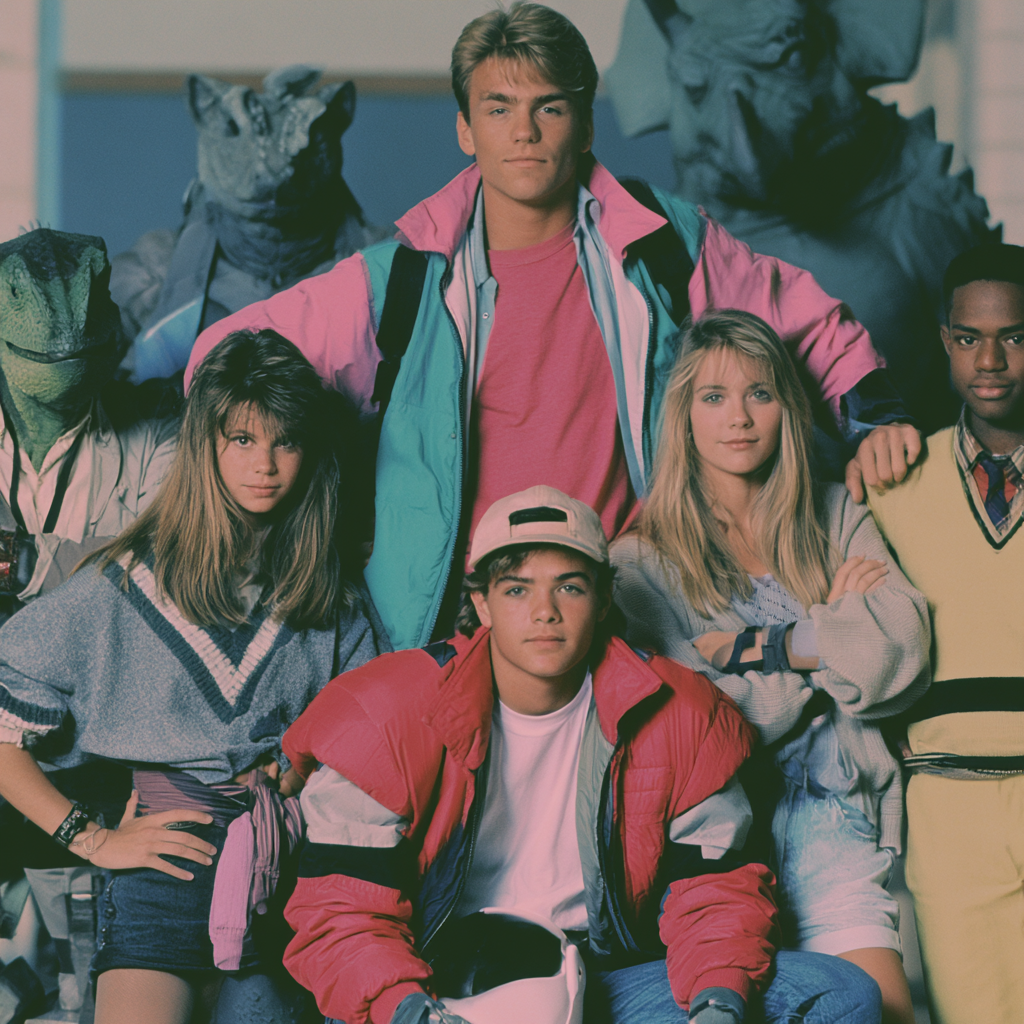
Developing an invention is much like earning an education—each stage builds on the last. Noah and Steven discuss why successful inventors shouldn’t skip critical steps, how prototypes teach valuable lessons, and why mastering the product development process leads to better products and stronger businesses.
Core Topics for this episode:
- Product Development Process
- Inventor Education
Key Takeaways Include:
Listen here:
Episode Blog
The School of Product Development: Why You Can’t Skip the Curriculum
Every successful inventor starts as a beginner. Just like formal education, product development builds layer upon layer of knowledge. The temptation is to skip ahead—to jump from a great idea straight to manufacturing—but doing so usually creates expensive mistakes.
In this episode, Noah McNeely compares the invention journey to progressing through school. Kindergarten represents raw ideas and encouragement. Elementary school is where inventors begin learning the rules. Middle school is where those rules are tested through prototypes and experimentation. High school is where concepts mature into real engineering and business planning. College is where products are refined for manufacturing, and postgraduate work mirrors continuous improvement after launch.
Each stage has a purpose. Early prototypes answer questions rather than create finished products. Later phases focus on engineering, manufacturing, marketing, and execution. Skipping any of these stages often means paying to learn lessons that could have been discovered much earlier.
Just as students rely on teachers, tutors, classmates, and libraries, inventors should leverage mentors, inventor groups, books, advisors, and experienced product developers. No one succeeds entirely alone.
Product Genius Take:
Don’t rush to graduate. Every stage of product development teaches lessons that prepare you for the next one. The inventors who build lasting businesses aren’t the ones who skip the curriculum—they’re the ones who master it.
Or, read the full transcript here:
Steven Julian
School's out for summer. Anyway, I can't do that song, but what I can do is a show about graduation season and how invention and product development is kind of like going through school and getting an education. Next on Product Genius.
Noah McNeely
Do you want to be a successful inventor entrepreneur?
Steven Julian
Struggling to get your product from idea to market? Well, you've come to the right place. Welcome to Product Genius. The down-to-earth podcast that explores important topics about inventing and launching new products. Noah McNeely is your trusted guide. With more than 20 years of product launch experience, he's here to help you on your journey to become a product genius. Let's get started. Here's your slightly annoying co-host, Steven Julian.
Noah McNeely
That's my line.
Steven Julian
Hey, welcome to Product Genius. I'm your slightly annoying co-host, Steven Julian. Broadcasting at some point, and I know where I am. We are inside, deep inside the lair of Product Quick Start. Product Quick Start is run by Noah McNeely. He is the host and genius of product genius, or at least partial genius, the genius of product development. He's the guy who makes all the engines turn. He's the guy who knows which. screw goes in which place to make the most efficient use of that space. Noah, welcome to your own show.
Noah McNeely
Well, thank you. You know, if I'm going to put all that on my business card, I'm going to have to have a bigger business card. Yeah.
Steven Julian
Listen, I'm not the most efficient deliverer of the message. Marketing is not my thing. All right. Slightly annoying, getting us through the topic, trying to be at times potentially entertaining, deep cuts, Easter eggs. That's what's on my card. And most people just throw it away.
Noah McNeely
Yes.
Steven Julian
Hey, guess what? It's graduation season.
Noah McNeely
It is. A topic for this episode that I had...
Steven Julian
I knew I wasn't going to escape this.
Noah McNeely
Really spent weeks developing.
Steven Julian
That I received last night at 12.15 a.m.
Noah McNeely
And then late last night in your slightly annoying way, you derailed that and came up with a new topic all your own. So I heard...
Steven Julian
I did not.
Noah McNeely
He did. And I heard Lee put a lot of notes together this morning. So we're hoping they're going to hold together. And address this topic. And we'll say, you know, that topic I've been working on for months. We'll. save that for another time.
Steven Julian
What was that topic? Let's tease it.
Noah McNeely
I don't remember.
Steven Julian
So we are recording this right around the Memorial Day season, the start of summer. So a lot of people can relate to the idea of going through graduation. And we were talking off air about. How many different types of graduation, pre-kindergarten, kindergarten, elementary school, middle school, high school, college, master's, doctorate. So there's all kinds of graduation ceremonies. They're very different. Where did the idea of a cap and gown come from? The pomp and circumstance, all those. There's all kinds of rabbit trails I would thoroughly enjoy going down. What we want to do is maybe talk about how.
Graduation is kind of like developing a product, inventing a product. There's a process. What you're learning in kindergarten better be very different than what you're learning in college. If not, you're not getting a good education.
Noah McNeely
It depends on your college.
Steven Julian
Yeah, that's true. That's true. So obviously there's this timeline. You've grown as a person. And I think in product development, because most people who are doing this are already adults or are already finished. Or are, you know, they don't. necessarily see it the same way. Well, I'm not some kindergarten kid. I'm an adult putting this product and invention together. But what do you want to get? If there's one thing everybody needs to get out of this show, and hopefully they get more than one thing, but what's the main thing? What do you want to get across?
Why are we talking about this other than the fact that I torpedoed your already well-established show plans?
Noah McNeely
Right, yeah. So we're going to have to cancel the try-wear movie on that and everything. Um, so I think what I took away from this topic as I was working on it, uh, is that there are, there are stages that build on each other. And, you know, I think graduating, even though, you know, there may be too many graduations, you know, kindergarten, fifth grade, eighth grade, et cetera. That you work through through your educational experience. And I think there are different stages in your product development that sort of relate. I think there are some clear parallels there.
Steven Julian
And the good news is it shouldn't take 18 to 22 years to get through this process when it comes. to developing a product. Not that it can't.
Noah McNeely
It might. It should not.
Steven Julian
Yeah. So when you think of pre-kindergarten, kindergarten. Hey, I'm learning my colors. I'm learning numbers. I might be learning letters and finger painting and doing things like that. When it comes to product development, what are those first stages? What's that first graduation? What's the first sign of progress? Hey, I can get my little diploma that I've started.
Noah McNeely
So when I think about pre-K and kindergarten, I think like, you know, there really aren't any rules you're following. You have rules, you know, don't pick your nose, don't, you know, all that sort of rules. Yes. How you are demonstrating what you've learned per se, they're very minimal rules. I mean, you take a hunk of clay, you throw it on a table, you paint it, you tell your mom it's a vase, a mug, an ashtray, to date ourselves. Their ashtrays were real big in my kindergarten years ago.
Steven Julian
Put two grooves in it, call it an ashtray is a famous comedic line.
Noah McNeely
Doesn't matter what you do with that hunk of clay, your mom is going to love it and she's going to. display it proudly on her desk. You take a... Couple of crayons to a sheet of paper. Your parents are going to put that on the refrigerator. And when company comes over, they're going to say, oh, look at this dog that Johnny drew. And if you're in the room, they're going to say, oh, that's great, Johnny. If you're, well, in the back of their mind, they're like, that's a dog. But my point is, this whole kind of sandbox period of pre-K and kindergarten, a lot of that's really about building your self-esteem, frankly.
Your mom tells you it's great, it's awesome, because now you're... You come out of that believing, okay, I can do it. I can do school. I can learn stuff. I can put that stuff into practice. If that's all you get out of kindergarten, pre-K, that's a lot, I think. In the invention space, I kind of think that's kind of the same thing. You have this idea, and maybe you're still in the sandbox with it. You're just really thinking about it in your head. Maybe you tell someone that you love about it.
Maybe it's your mom. Maybe it's your dad. And they're going to tell you. Hey, that's awesome. That's great. That's amazing. That's, that's, that's, that's beautiful. They're going to build up your self-esteem. Yeah. Doesn't necessarily mean that's going to be a successful product because we got to get from there. You know, all that, you know, mom loves it. Mom loves you. You're awesome. All the way to, you know, you're successful, whatever. Like if you're a surgeon, I don't want to go to the surgeon whose mom says, oh, she's, she's awesome. She's a great surgeon.
I'm sure she does. I want to go to the surgeon whose peers say she's a great surgeon. How do we get from? Kindergarten to that.
Steven Julian
All right, so we've gotten out of kindergarten. Some people have gone, that's a cute product. Hey, I'd buy that. You should develop that, right? So that's kind of the kindergarten. So we go to elementary school. My elementary school memories, you know, obviously you're starting to do multiplication tables. For me, it was the SRA Reading Laboratory. I remember the different colors.
Noah McNeely
The RFUs. SRAs and RFUs.
Steven Julian
Absolutely. Yeah, yeah. So you had to get out of the green. Oh, I'm already on. this level and all that. So I can remember that. I remember reports you would do. My mom taught sixth grade for 30 years. You had to do a project based on feudal times. So I remember I built a castle out of sugar cubes. You know, other people did poster board and so all those different kinds. So in elementary school, you've got these different things that you're learning and you're getting into routines. You're kind of learning how to be a good student.
In product development, are you kind of developing the routines? Are you setting the road ahead? Talk about what you mean or talk about the analogy, what you're comparing it to.
Noah McNeely
So the way I looked at elementary school in this context was, you know, whereas in pre-K and kindergarten, there really are no rules in terms of the academics. They're very minimal. In this stage, in the elementary stage, you are learning the rules. You're learning what they are. You're learning the multiplication tables. You're learning. I before E after C. You're learning all that basic stuff. You're learning what they are by memorization. And in product development and invention development, you're also learning. the rules of your product. You're building that garage prototype. You're hammering two pieces of wood together.
You're doing whatever, you know, 3D print, whatever you need to do to learn the rules of making it work. It's still probably pretty clumsy and awkward, just like you were in elementary school, or at least just like I was in elementary school.
Steven Julian
Hey man, brother, preach. I was there.
Noah McNeely
But it's a step in the right direction. It's no longer just this conceptualization of, wouldn't it be great if I had a product that did this? Now you've actually got the beginnings of something that do that. Even if that does it in a very awkward, clumsy way, it's a step toward a real deal.
Steven Julian
To use your... Dog that you drew with crayons on the refrigerator and those legs were, you know, way longer than they needed to be. Now, at least in elementary school, you may be taking a couple art classes, you know how to use watercolors or at least you, it looks a little more like a dog. So I don't think we'll continue that.
Noah McNeely
It's at least a stick figure dog.
Steven Julian
Yeah.
Noah McNeely
Whereas kindergarten, it was. a Rorschach drawing. Okay, it's a dog.
Steven Julian
Yeah, I can tell it's a dog.
Noah McNeely
It's got four legs. It's got a tail. It may be an eye. Yeah.
Steven Julian
Okay. So now in middle school, so now we've moved on to middle school. So I think in middle school, the picture for me is you are becoming a little more coordinated, potentially, physically. Also in middle school, there's an old joke. Past life, I worked around a lot of middle schoolers and high schoolers, and I knew people who also worked with college students. I remember someone telling me middle schoolers and college students are when you are the most philosophical and you're the most kind of open minded and you're thinking big things.
Now, you think about them very differently when you're in middle school and when you're in college. But but, you know, elementary, you're pretty regimented and you're sticking with the routine for the most part or you're just a terror. And in high school, you're either. Sticking with the routine and you're getting things done or you think you're too cool and you think you've got it all figured out. Middle school and college, you kind of. realize you don't have it all figured out. So you're a little more open-minded. I don't know if that's what you were going for, but in terms of the product development, invention, let's go to the middle school graduation.
Noah McNeely
Yeah. So I didn't really have middle school drawn out here, but as a separate thing, I went straight to high school. But in keeping what you're saying. I would say, you know, you learn the rules in elementary school. I would say in middle school, you're applying those rules. You're not necessarily to the high school stage, which we'll talk about in a second, but you're applying them. You're starting to be more comfortable with them in the product development space. Maybe now you're on your second, third, or fourth garage prototype. You've refined things.
It's starting to look a little bit more like a... And I'm using garage prototype generically. It's stuff that you may be done on your own. You may be worked with someone like me to get the first early passes going. We are not yet to engineering it. We are not yet to designing it as a real product. We are simply learning what we. didn't know about it. And I think that's sort of the middle school phase.
Steven Julian
So to use terms from other shows you've done, you're no longer, by middle school, you're probably no longer a hobbyist. You are starting to, you've. You've done maybe a prototype. You've improved upon your original design at least once, or you've seen something that you really wanted, and you're going to have to take it out if you want to get this to market. So you're starting to kind of apply the rules. Is that what you're talking about?
Noah McNeely
I would say middle school is kind of that middle school graduation we're talking about. That's where you kind of determine, am I a hobbyist or am I going forward? I think that's sort of the break point there because beyond this. It's when it gets to a more serious investment of time, money, or resource.
Steven Julian
And what I love about that is in this analogy we're kind of talking about, and by the way, we had an off-air discussion, is it an analogy, a metaphor, a simile? It's not a simile, but is it an analogy or a metaphor? But what I like about this. is I think, I know with my kids, who my youngest is just about to start a senior year of high school, so I've gone through this with three different kids. High school is that time where you start to tell them, What are you what do you want to get serious about?
You know, you can still have fun and you you've put yourself in a position, hopefully, to where you can decide. what do I want to. And I'm going to make a statement about the public school system as an outsider. I'm not inside. But my observation of the public school system is the public school system's job is to get everybody through. And it's a little bit like herding cattle. And I remember telling my kids, you've put yourself in a position that you're in those AP classes, you're in those honors classes. Those are the classes for the kids who want to excel.
The general population, their number one job, they hope to teach you some things and they hope to get you somewhere, but they're really just trying to get you out. They're really just trying to check a box and say, we're done. We did our job. And that job is really kind of keep them alive and get them through the program, quote unquote. Do you want that or do you want to really do well? And it's funny, my sons would tell me, you know, boy, I can tell when I'm in a general pop because nobody cares.
The teacher's just trying to stay alive, get everybody through kind of thing. And I'm over-exaggerating. So high school is when you go, I like that, you truly graduate from hobbyist and now you're developing a product. During that high school time, when it comes to developing your product, inventing, So what's that big step? What's that, I'm going to go beyond hobbyists. What are we looking to do here?
Noah McNeely
Yeah, yeah. So I'm going to assume that we're talking about the more college prep path here rather than just the general population path. Assuming that most of the people listening to this, you know, they want to build a business. You know, that's probably why this show, that's probably who this show would generally be more interesting to. So in high school. I think we went from learning the rules and applying. the rules. I think in high school, we're starting to understand the rules. We're starting to understand why multiplication and division, well, probably even earlier than this, why are they inverses of each other?
How does that relate to the square root function and all this other nerdy mathematics stuff? How does that relate to physics? How does it all play together? I think in high school, we start to understand that and we're adding finesse, we're adding details. In the product development space, this is the phase where we are starting to do or maybe even completing the engineering. We're building it for the real world, for production. We're no longer just making it where I can make one in my garage. We're getting it to the point where, yeah, this has a path to mass production.
Yes, this is engineered. Yes, we thought about real materials. Yes, we thought about real manufacturing processes. We're starting to prototype those things. I think in parallel with that, not just in the engineering space, but you're also starting to at least stub out your business plan. How am I going to sell this? Who am I going to sell it to? You're also stubbing out your marketing message. How am I going to communicate to people that this is something that they need, want, or should have? Now, earlier than this, back in your sandbox stage, you may have given it a name.
You may have thought about, oh, this is going to be great for people that own CADs or all that sort of stuff. In this high school stage, that's when this starts to take form. It can translate into a real-world business. You're not done with that at the end of this stage because we've still got some more stages to talk about,
Steven Julian
but
Noah McNeely
it's now at the point where you can actually probably sit down and meet with somebody and say, here's the business I'm planning around this, and here's the product in its development stages. We're getting close to being ready to talk to some factories about it. We're not there yet, but we've worked out a lot of the kinks at this point.
Steven Julian
Product Genius is brought to you by Opu Probiotics. Pre and probiotics you can pour directly on your tongue in delicious mint and mocha flavors. But the taste is just the beginning. With Opu, you can see improved digestive function, boosted immune system, easier weight management, improved mental health, and much more.
Noah McNeely
Try today at GetOpu.com. That's GetOpu.com.
Steven Julian
In real life, this is also the stage where... People, some start to give up on school. Very rarely do you hear about kids dropping out in middle school or elementary school. So it's applying those rules. So in the product development and invention stage, what causes people to walk away when they're at this stage?
Noah McNeely
Well, I think. It's no longer just fun. Not to say that's where I was going. There is still fun here and you can still have a lot of fun with it, but now there's actually some hard work you need to do as well or else you're just not going to progress.
Steven Julian
I think in the high school stage, maybe you've been able to minimize your faults or your weaknesses or you've been able to overlook some of the things in your development of your product and it's still just fun. It's still, you know, I can do it my way.
Noah McNeely
You can no longer just throw a diorama together at the last minute and expect to. get an A. Now you've actually got to spend some hours writing that report, researching whatever it is, or get ChatGPT to do it for you, but we're not going to talk about that. That's a whole other problem, a whole other issue. But you've got to actually put effort in to transition from that sort of childish display. Preteen display of your knowledge into something that communicates an understanding, not merely a reproduction of what you saw, but an understanding of what you saw.
Steven Julian
I think most people's, I think almost everybody, if you kind of talk about their educational experience, the very first time they came across something during where they went, I'm completely lost. More often than not, that's during the high school year. Something happens, some class where it's like, this is really, really hard. And so, yeah, you've got to get over those obstacles. You've got to kind of move forward with some of the hard stuff. All right. So in high school, and it's funny, again, we were talking when you and I came up, there was a lot of people that just had the kindergarten.
Maybe they had maybe a middle school, but that high school graduation is kind of a big deal. That's kind of the graduation that. While we have all these graduations that go on, but high school is one of the central ones because it's kind of this gateway to adulthood.
Noah McNeely
Yeah, it's really the last semblance of training. wheels are removed at that point.
Steven Julian
So what does that look like? Because you don't give people diplomas. Hey, congratulations, your product. But I would say maybe there's a particular prototype or minimum viable product or one of, you know.
Noah McNeely
So the way I would. Now, every project is different, but the way I would generally look at that is that point is where we have a very clear path to developing it for manufacturing. We haven't done that work yet, but the unknowns are very minimal at this point. It's like, okay, I know it's going to be made out of nylon or polycarbonate. I don't know exactly some of the finesse details yet, but I can cross that big unknown off. You know, I know we're not making it out of aluminum. We're not making it out of silicone.
We know it's going to be nylon or something. like that. We know it's going to have this many parts, and this is how they're going to go together generally. I haven't worked out the exact details of how everything goes together, but all that is, I don't want to say, I almost said academic, which is amusing considering what we're talking about. It's sort of academic from that point forward. It's just executing those things. We'll work through little problems along the way and little unknowns, but the big unknowns are behind us.
Steven Julian
So now we talk about going to college, and I think in college you focus on a field. You get a major. You became an engineer. I went down potentially becoming a teacher. Other people go strictly into business. So we're kind of focusing, and so I like where you're kind of taking this. So now you are going to. Now it's, is this where, okay, how are we going to get this produced? And some of the past topics we've had, you know, how do I find a factory who will help me create these parts?
Is that kind of what we're, is that the focus and the major that we're talking about?
Noah McNeely
Yeah, so at this point, you know, I would suggest to keep going with the rules analogy. You know, we're learning in college, we're learning why the rules work. We're learning not just understanding them, but why do they work? How do we work around the rules? When can we work around the rules? When can we make exceptions to the rules and still have a great outcome, you know, be it in your collegiate, your academic career, but in the product development space? At this point, we're getting down to the details of executing those rules for manufacturing.
So, you know, normally the rule, you know, rule is you've got two plastic parts, they've got to go together this way, and that's the standard, but... We also know we can break that rule here, here, and here because X, Y, and Z. Whatever those things are, we're getting to those level of details. At the end of this phase, when we graduate from college, we have our, you know, we have released to the factory, at least for quoting. Maybe we have back some samples from the factory. We are ready to start. the production cycle is the way I. look at that.
Steven Julian
So then naturally is the production cycle the post-grad work, the master's and the doctorate?
Noah McNeely
So the post-grad work is you've already tooled up. You're getting your first samples from the factory. You're still tweaking and nuancing and adjusting those. At this point, you're kind of writing the rules for your product and your business. You've gone through this whole process from there are no rules all the way to now. I am the expert on this product. I am writing these rules. I'm the expert on my business. You're going into that first sample from the factory. Color's not right. It's too big. It's too small. It's whatever. We're tweaking that.
We get another sample. We go through that process. Then you get out on the market. And at the same time, in parallel with all this, your business plan has been developing, hopefully. Your marketing plan has been developing, hopefully. And you're launching all this together in as refined a way as possible. Now, it's still your first launch. You're going to learn stuff from that. Learning never stops. It's going to continue beyond this. And you're going to have a second generation, a third. generation. Your business is just going to keep growing, hopefully.
Yeah, that's really the postgraduate point.
Steven Julian
Yeah, and even to the point of you, a lot of times people get a doctorate and then they're a practicing physician or they are a college professor themselves. And in that, you're writing, you're researching, you're getting grants. So I like the idea of it never stops. You're continually learning to.
Noah McNeely
Right. My wife's in the healthcare, in a healthcare field and she by. By law to keep her license, she has to do continuing education every year. Correct. And there are a lot of fields like that. Your continuing education as a business owner of a product business is the feedback you're getting from your customers or the feedback you're getting from, oh, the market has changed in this way. And you continue to adapt to that. You cannot just, or it's ill-advised for you just to sit back and say, oh, that product's great and I don't have to touch it.
Well, your product will probably be gone in three years.
Steven Julian
Yeah, name a product that has stood the test of time without having to adjust. Because on one of the. past recordings, you know, you gave me a credit for a deep cut for talking about a pet rock. Right. You know, there was no adjustment to that. And it was a one-year fad, two-year fad that kind of died out.
Noah McNeely
But imagine if they kept innovating to rock.
Steven Julian
Exactly.
Noah McNeely
We probably have Wi-Fi enabled pet rocks now.
Steven Julian
Smart rock. Smart rock. There's my kindergarten idea of a product. Now, one other thing you wanted to point out, and I hope everybody has stuck with us. I love that story. I love what we told. I think that was, of course, I'm saying because I had the idea, but you really fleshed that idea out very, very well. I'm proud of you.
Noah McNeely
Well, I work well under pressure. Ten minutes before the show starts.
Steven Julian
Oh, come on. All right. So you added one other little thing because when it comes to education, as they're going through this process all along the way, The other thing I think with education is resources, things to help you along the way. And we might think of a particular teacher, but we might also think of tools that we use. So talk about some. of those helpers and resources that they should be getting with on their educational journey of their product. Yeah.
Noah McNeely
So in the academic space, if you're having problems with a particular subject, even as early as like kindergarten, first grade, there might be an extra workbook or a self-study guide or something you can do. Same is true in the invention space. There are a lot of books out there. Some are good, some are bad, unfortunately. But there's a lot of resources available to you. That's one thing. Another thing is you've got peers. I think about study groups in college. If we're all in this class together, maybe we get together with some of our peers and we solve the problems and we study together.
Well, that's like your inventor groups, like the Chicago Inventors Organization or your city, wherever you're at, probably has something. In your state or within, that you can be a part of. And then you can leverage the experiences other people have. They might learn something like, oh, I use this kind of 3D printing material or my engineer did this. And you never know what you'll learn that way. Then, of course, you've got, as you go through school, maybe you get advice from alumni and grads about, hey, I'm thinking of studying physics.
You're a physics graduate. Tell me what, yada, yada. Well, that might be successful inventors that you can find that did. If you can make those connections and say, you know, you went through this process. Do you have any advice for me? Whatever that is. Of course, guidance counselors in high school and other academic places, you're going to have guidance counselors that help you along your path, maybe help you pick out which classes to take when. Well, there's actually, you know, the SBA, the Small Business Association, and there's other organizations. There's incubators around the country that they have counselors that they can.
That you can connect with to learn things and get their advice. And just like anything else, you've got to look at it through the lens of. they know what they know, they don't know everything. And then the last one I would say is, you know, tutors. You can hire tutors to help you in college or someone can hire tutors for you in college, high school, whatever. And those are. like the external resources, you know, like myself. You might hire me to do engineering for you because that's something you don't really know how to do or don't want to do or whatever.
And you can hire people to just give you advice or you can hire people to do the whole thing for you. Those resources are out there. So I think those analogies hold up as well in terms of the invention space or really any business space. Sure.
Steven Julian
So I'm going to put you on the spot a little bit about those resources. You said there are some good books. There's also some bad ones. I think almost every single resource you just talked about, there's probably some fantastic sources. There's probably some horrible. Things that people should avoid. And there's probably a lot of stuff in the middle that depending on the person or depending upon the situation and the product that may help them a lot, may help them a little. So I was just going to say, where can someone start?
As you were talking and as someone who's never brought a product to market, but has been around businesses and networking and. built my own business in my own way, probably some kind of chamber or business group locally. Just start networking just to meet some people. Tiffany tells the story. This podcast came out of her networking and meeting some people, and then she was a guest on a show, and she started deciding to do her own show. So networking is what I was thinking. I was also thinking the public library is a tax-funded resource, and I don't know about everybody else's, but we're in Gwinnett County.
It's one of the best public library systems, and it's completely free because it's... It's not free. We paid for it with our taxes, but what a return we can get.
Noah McNeely
It's free until you don't return a book for six weeks that you lost in the back of your car.
Steven Julian
And then it's $3.
Noah McNeely
It's almost free.
Steven Julian
Big deal.
Noah McNeely
Yeah, well, it's still enough for me to tell my kids, you need to remember to find these books.
Steven Julian
Well, that's a good resource. That's a good teaching lesson, educational lesson they should pay for. Any advice of where somebody should go that is so open-ended that it's not fair? I've already. ticked you off by ruining your other idea for this great idea.
Noah McNeely
I think the best advice I can give along those lines is look at a number of sources because don't just find one book that you like what it says because that may not be the right book for you. No matter what advice you get, no matter what book you read, no matter what YouTube video you watch, That wasn't designed for you specifically. So you're going to have to look at a lot of different points of reference and amalgamate.
Steven Julian
Amalgamate, yeah, sure.
Noah McNeely
Condense those into something that works for you. And just be careful about any one point of advice, even if it's me, because I don't know everything that you've got planned. I try to learn as much as I can about your goals and ambitions, but everything you get, you've got to... Filter through your own lens of what you're trying to accomplish.
Steven Julian
On the bottom of your notes, there was one last thing written and boxed out. It's got three boxes around it. I mean, if you had a highlighter, you would have highlighted it. What's the last thing you want to? make sure people hear?
Noah McNeely
Well, I wrote down, don't skip steps. And, you know, unless you're Doogie Howser, you can't go from... You know, elementary school, right to graduate school.
Steven Julian
Well, no, didn't he graduate early? I don't think he went.
Noah McNeely
Fair enough. I mean, ruined my Doogie Howser.
Steven Julian
Even he didn't skip steps.
Noah McNeely
He didn't, but he did them very quickly.
Steven Julian
There you go.
Noah McNeely
So my point is, don't try to skip. It's ill-advised to try to skip any of the steps along the way. I mean, yes, you could go from, I have this idea and I read it down on paper. You can go hire an engineer today and say, hey, develop this for me. You're going to spend a ton of money probably doing the wrong thing until you develop that further yourself in that whole elementary, middle school phase that you need to go through, again, to learn the rules and to put those rules into practice before you hire someone to execute everything for you.
Steven Julian
So you did great. I'm going to give you a grade of a B plus for working us through all this stuff.
Noah McNeely
Can I do anything for extra credit?
Steven Julian
No. I don't believe in extra credit. I was going to say the only mark on against you that caused you to get that B plus actually probably an A minus is what I would say. What. the only thing that marked against you is I set it up on a T for you to say, you know, to say, Hey, is there any resource? And I did kind of take away a good resource. I talked about the public libraries and, and you had given a few, but you missed the easy one to lay up of. this show is a great resource.
Product Geniuses. But you didn't want to talk about yourself. That was a little too self-aggrandizing, and you didn't want to do that.
Noah McNeely
This is not a commercial within a commercial.
Steven Julian
So I take it back. You don't need extra credit. That actually was the right answer. You can't do that, so I'll do it. So it's an A-plus for you in your grade.
Noah McNeely
I'll get a star sticker when I get home. That's right.
Steven Julian
This show, Product Genius, is a resource for you. That's why Noah's doing this. He wants to give back to the... Product development community. He wants to tell people more about what he does, but he also wants to give you access to a lot of what he's done over the years. That's why we do this show. We have a little fun with it. We try to use analogies and metaphors. Maybe even one day we'll do a simile show. And sometimes we just do dry data, but it's a lot of stuff for people to learn.
And so, Noah, thank you so much for bringing this topic. I appreciate you and what you do. Everybody can go to productquickstart.com. You can use the contact form. Don't just say, I've got an idea. Fill out the form. Give him something to respond to so that he can get with you and he can help you in your product development journey. If he can't help you, he probably knows someone who can help with something he's not necessarily a genius at. And so he's very well connected when it comes to patents, when it comes to factories, when it comes to development, just all that kind of stuff.
Noah McNeely
Let me say that regardless of what stage you are, if we take. this academic analogy one step further, regardless of where you are in that, You know, kindergarten, all the way through post-doctorate. If you need help, I might be able to help you or I might know someone who can. So, you know, don't feel like it's too late. So I went down this path and it was the wrong path. Well, maybe we can help you get back on the right path.
Steven Julian
And for that, you get an A++.
Noah McNeely
Excellent.
Steven Julian
Two gold stars. Speaking of gold stars, there's nobody better than Jody Smith. Go to JodySmith.com. If you want a podcast, he helps people podcast. He produces this show. He can help you get your show on the air. Speaking of your show, what about our show? Become a subscriber. Share our show with other people. Tell us what you think. Leave us a review. You can hear us on all your favorite podcasting platforms. Like I said, go to productquickstart.com. I would tell you where you could go to find out me as an independent financial advisor, but I didn't get compliance approval, so you're just going to have to Google my name.
So for Jody and for Noah, this is Steven, your Slightly Annoying co-host, saying thanks for joining us, and we will see you next time from the lair of Product Genius.